Nikhil Prasad Fact checked by:Thailand Medical News Team Jun 06, 2026 1 month, 2 weeks, 3 days, 12 hours, 39 minutes ago
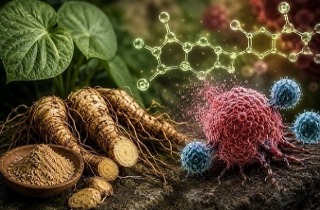
Medical News: Researchers are increasingly exploring natural food compounds that can influence how genes behave, and a new scientific review is shining a spotlight on piperine, the active phytochemical compound that gives black pepper its characteristic heat. Scientists now believe that this common dietary ingredient may have remarkable potential in helping fight cancer and other chronic diseases by influencing the body's genetic control systems.
 Researchers find that piperine from black pepper may influence cancer-related genes and trigger tumor cell death through
multiple biological pathways
The research was conducted by scientists from the Cancer Biology Laboratory, Faculty of Medicine, Universidad San Sebastián, Concepción, Chile; the Department of Biological and Chemical Sciences, Faculty of Sciences, Universidad San Sebastián, Concepción, Chile; the Nutritional Biochemistry Laboratory, School of Nutrition and Dietetics, Faculty of Rehabilitation and Quality of Life Sciences, Universidad San Sebastián, Valdivia, Chile; and the School of Medicine, Faculty of Medicine, Universidad San Sebastián, Concepción, Chile.
How Piperine Influences Gene Activity
Unlike drugs that directly attack cancer cells, the phytochemical piperine appears to work by influencing epigenetics, a biological process that controls whether certain genes are switched on or off. Epigenetics does not change DNA itself but affects how genetic information is used by cells.
The researchers found that piperine can reduce the activity of enzymes known as DNA methyltransferases, particularly DNMT3B. These enzymes are often overactive in cancer and can silence important tumor-suppressing genes. By lowering DNMT3B activity, piperine may help reactivate protective genes that normally prevent uncontrolled cell growth.
The review also found that piperine can influence small genetic regulators called microRNAs. Among the most important is miR-29c, a molecule known for suppressing tumor growth. Increased levels of miR-29c were linked to reduced cancer-promoting activity and improved regulation of cellular functions.
A New Way to Silence Cancer Genes
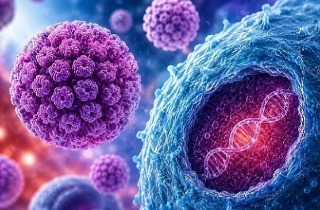
One of the most intriguing discoveries involves structures known as G-quadruplexes. These are unusual DNA formations found in areas that control powerful cancer-related genes.
Researchers found evidence that the phytochemical piperine may stabilize G-quadruplex structures within the promoter region of the c-MYC gene, one of the most important cancer-driving genes in the human body. When c-MYC activity is reduced, cancer cells lose part of their ability to multiply rapidly and survive.
This finding suggests that piperine may be able to influence the physical architecture of DNA itself, offering a completely different mechanism for controlling cancer growth.
Triggering Cancer Cell Death
This
Medical News report highlights an
other major finding from the review: piperine appears capable of triggering apoptosis, the natural process through which damaged or dangerous cells self-destruct.
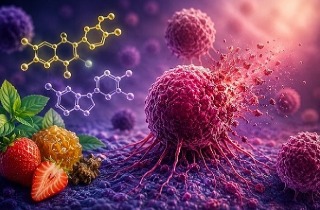
Studies reviewed by the scientists showed that piperine can disrupt the energy-producing structures inside cancer cells, causing mitochondrial damage and activating a chain reaction that ends in cell death. The compound increased levels of proteins that promote apoptosis while reducing proteins that help cancer cells survive.
Researchers also observed that piperine affects major cancer-driving pathways including PI3K/AKT/mTOR, Wnt/β-catenin, NF-κB, and STAT3. These pathways are involved in tumor growth, invasion, spread, and resistance to treatment. By interfering with several pathways simultaneously, piperine may make it harder for cancer cells to adapt and survive.
A Double-Edged Effect on Oxidative Stress
The review revealed that the phytochemical piperine has a unique dual role. At lower levels, it acts as an antioxidant, helping protect cells from harmful oxidative damage. At higher concentrations, however, it can act as a pro-oxidant, increasing oxidative stress inside cancer cells.
Because cancer cells already operate under elevated oxidative stress, this extra burden can push them beyond their survival limits and trigger cell death. This selective vulnerability may explain why piperine often appears more harmful to cancer cells than to normal healthy cells.
Challenges Still Remain
Despite the promising findings, the researchers caution that most evidence currently comes from laboratory and animal studies. Piperine has poor water solubility, is rapidly metabolized, and may not easily reach the concentrations needed inside human tissues.
Scientists say more advanced formulations, including nanoparticles and specialized delivery systems, may be required before piperine can be effectively used in clinical settings. Additional human studies are also needed to confirm safety, effectiveness, and optimal dosing.
Conclusion
The growing body of evidence suggests that the phytochemical piperine is far more than a simple spice component. It appears capable of influencing multiple biological systems linked to cancer development, including DNA methylation, microRNA regulation, gene transcription, oxidative stress, and programmed cell death. What makes piperine particularly interesting is its ability to target several cancer-promoting mechanisms at the same time rather than focusing on a single pathway. Although significant hurdles remain before it can become a practical medical therapy, the findings indicate that piperine may eventually emerge as an important nutriepigenetic compound with applications in cancer prevention, treatment support, and possibly the management of other chronic diseases. Future clinical studies will determine whether the remarkable laboratory findings can be successfully translated into real-world patient benefits.
The study findings were published in the peer reviewed International Journal of Molecular Sciences.
https://www.mdpi.com/1422-0067/27/11/5149
For the latest on herbs and phytochemicals, keep on logging to Thailand
Medical News.
Read Also:
https://www.thailandmedical.news/articles/herbs-and-phytochemicals
https://www.thailandmedical.news/articles/cancer
Medical Disclaimer: All content published by Thailand Medical News is based on scientific research and is intended for informational and educational purposes only. It is not medical advice, diagnosis, or treatment. Readers must not attempt to use, apply, or experiment with any protocols, compounds, or therapies mentioned without first consulting a qualified and licensed medical doctor. Many findings discussed are experimental or preliminary, and only a licensed healthcare professional can determine what is safe and appropriate for an individual’s specific medical condition.




 Share
Share
 Tweet
Tweet
 Share
Share