For the latest on Thailand Medical Industry, Thailand Doctors, Thailand Medical Research, Thailand Hospitals, Thailand Wellness Initiatives and the latest Medical News
A section specially dedicated to Long COVID or PASC ie Post-acute Sequelae of COVID-19. The section on Long COVID will cover all the latest research and developments about Long COVID or PASC and also provide guidelines to all long haulers about the new treatment protocols and therapeutics available for long COVID or Post-acute Sequelae of COVID-19 (PASC). Long COVID is expected to become a major h...
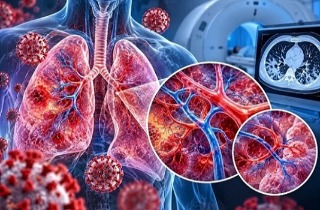
A new study has uncovered important changes in lung blood vessels among patients hospitalized with COVID-19 pneumonia, revealing how the distribution of different-sized vessels is closely associated with breathing difficulties and disease severity.
Chest CT analysis reveals distinctive lung blood vessel patterns associated with worsening oxygen
exchange and respiratory failure in COVID-19 pn...
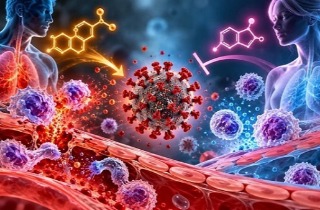
New research suggests that male and female sex hormones influence how the body responds to SARS-CoV-2, potentially helping explain why men have historically experienced more severe COVID-19 complications.
New research reveals how sex hormones influence COVID-19 inflammation, immune cell activity, and blood
vessel damage, potentially explaining differences in disease severity
Scienti...
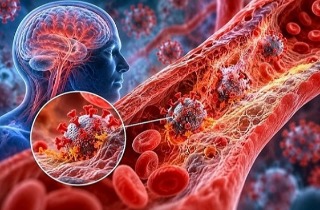
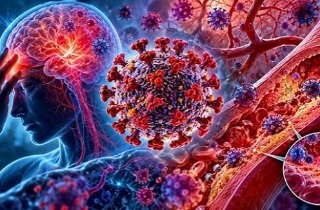
A new study has uncovered concerning evidence that proteins left behind by the COVID-19 virus may remain in the body's smallest blood vessels for years, potentially contributing to the persistent inflammation and tissue damage seen in people suffering from long COVID. Researchers found that the SARS-CoV-2 spike protein was associated with abnormal changes in blood vessels, including the buildu...
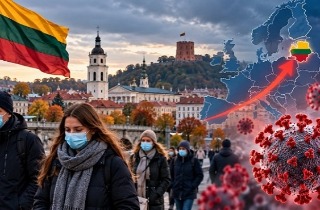
Lithuania is recording the highest SARS-CoV-2 test positivity rate among EU and EEA countries reporting solid sample volumes in mid-October 2026. According to aggregated ECDC and WHO sentinel surveillance data for week 41 covering 5th to 11th October, 22.6 percent of primary care swabs tested positive for the virus.
Lithuania recorded the highest SARS-CoV-2 sentinel positivity rate in the EU/...
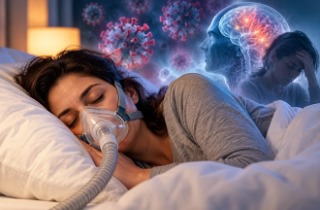
A surprising new study has found that more than half of Long COVID patients experiencing persistent fatigue also have obstructive sleep apnea, a potentially serious breathing disorder that repeatedly interrupts sleep. However, researchers discovered that sleep apnea did not significantly worsen cognitive problems, fatigue, or overall quality of life.
New research reveals unexpectedly high sle...
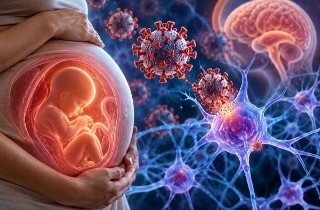
Scientists from the University of California, Riverside, United States, have discovered that human neural stem cells responsible for developing the brain and spinal cord are particularly vulnerable to SARS-CoV-2, including the Omicron BA.1 and BA.2 variants.
New research reveals how SARS-CoV-2 variants enter developing human neural stem cells, raising concerns
about potential neurological ri...
A newly emerging SARS-CoV-2 variant known as TA.1 is attracting growing scientific attention as genomic surveillance identifies increasing circulation in the United Kingdom, Canada, and other regions. Descended from the Omicron XFG lineage, TA.1 (XFG.14.8.1) has accumulated genetic changes that warrant closer investigation, particularly as researchers continue examining how evolving coronavirus va...
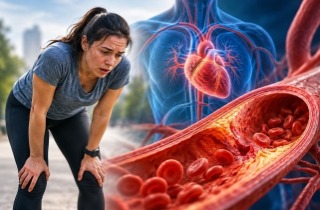
New research from Brazil has uncovered evidence that blood vessel dysfunction may persist for more than three years after COVID-19 infection, potentially explaining why some Long COVID patients continue experiencing severe fatigue, breathlessness, and difficulty exercising despite maintaining normal heart pumping function.
Brazilian researchers identify persistent blood vessel dysfunction ass...
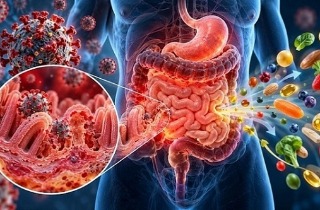
As medical researchers look past the respiratory symptoms of the coronavirus pandemic, a far more insidious crisis has emerged within human metabolic health. Emerging clinical evidence confirms that SARS-CoV-2 directly invades the human digestive system, permanently altering the gut’s ability to process essential vitamins, minerals, and macronutrients. This viral hijacking means that million...
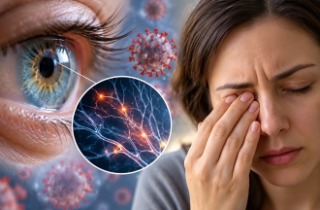
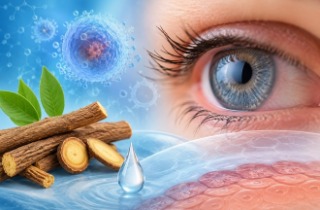
Eye problems may continue for years after COVID-19, even when standard examinations reveal no obvious abnormalities. A new Austrian study has found that patients previously hospitalized with COVID-19 can experience persistent blurred vision, burning sensations, and light sensitivity nearly three years after infection.
New research reveals that blurred vision, light sensitivity, and other eye ...
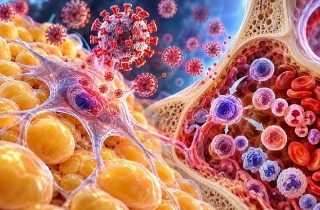
New research from Thailand suggests that the Omicron variant of SARS-CoV-2 may affect cells responsible for producing blood and regulating immune responses, raising questions about COVID-19's effects beyond the respiratory system.
New laboratory research reveals that the Omicron coronavirus variant may alter blood stem cell development
and immune-regulating cells without producing detect...
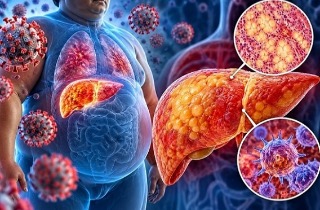
COVID-19 may leave behind more than respiratory damage, particularly in individuals with obesity. New research suggests that SARS-CoV-2 infection can trigger persistent inflammation, metabolic disturbances, and cellular changes in the liver, even after the virus has been cleared.
New research reveals how obesity may prolong liver inflammation, fat accumulation, and metabolic
abnormalities af...
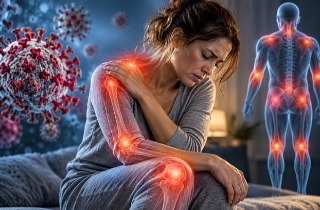
Persistent muscle and joint pain following COVID-19 may develop into a long-lasting condition resembling fibromyalgia, according to new British research. The findings suggest that widespread pain, fatigue, sleep disturbances, and cognitive difficulties can persist years after infection.
New research reveals that fibromyalgia-like pain and nerve-related symptoms can persist for years among peo...
A new study from Poland has revealed striking disruptions in iron metabolism among hospitalized COVID-19 patients, with abnormal iron-related blood markers closely associated with severe illness, excessive inflammation, and death.
Researchers from the Medical University of Bialystok, University Children Clinical Hospital in Bialystok, and Voivodeship Hospital in Bialystok investigated whether the...
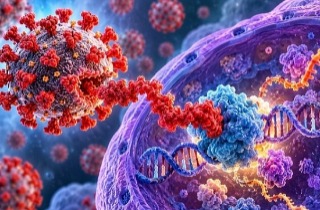
Scientists have uncovered how SARS-CoV-2 manipulates human cells to intensify inflammatory responses, revealing a previously unrecognized mechanism involving the coronavirus nucleocapsid protein and a human protein called eEF1A1.
Researchers discover how a SARS-CoV-2 protein hijacks human gene activity and identify a potential
treatment target shared across coronavirus variants.
The disco...
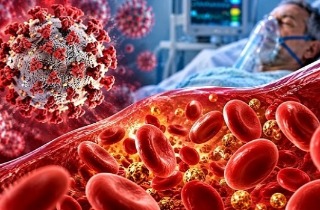
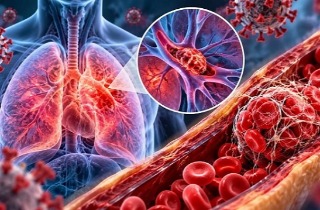
COVID-19 can trigger dangerous blood clotting abnormalities that extend far beyond the lungs, increasing the risk of pulmonary embolism, stroke, heart damage, and death. A new scientific review highlights how severe inflammation disrupts normal blood clotting and why complications can persist after hospitalization.
Scientific review reveals how severe COVID-19 triggers dangerous blood clots, ...
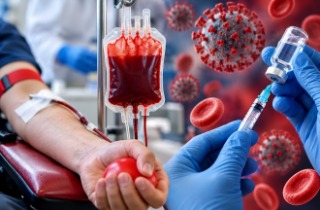
A new medical study has raised concerns about potential complications associated with blood transfusions involving donors who received COVID-19 vaccines. Researchers examined nine cases involving serious medical conditions, including abnormal blood clotting, cardiovascular complications, and organ failure, while questioning whether vaccine-associated biological materials could affect transfusion r...
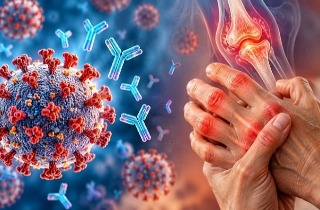
A new study by researchers from the University of Pécs in Hungary has uncovered a striking association between autoimmune antibodies linked to rheumatoid arthritis and significantly lower levels of SARS-CoV-2-specific immunoglobulin G (IgG), an important antibody involved in the immune response against COVID-19.
New research from Hungary links rheumatoid arthritis-associated autoimmune...
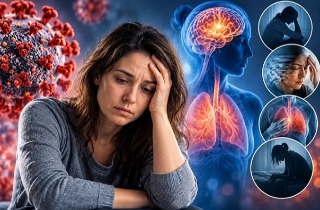
Long COVID may continue affecting people four years after their initial coronavirus infection, with new research revealing that concentration problems, depressive symptoms, and older age are strongly associated with prolonged illness.
New research reveals that long COVID symptoms can persist for four years, with cognitive difficulties and
depression linked to prolonged illness and reduced da...
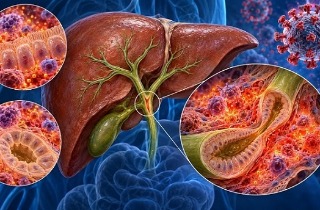
Two very different illnesses may trigger similar inflammatory responses in bile duct cells, according to research from China. Scientists identified overlapping immune activity in biliary atresia, a serious infant disease, and SARS-CoV-2-associated liver and bile duct injury.
Researchers uncover shared inflammatory responses in bile duct cells
The researchers were from Harbin Medical ...
A brain barrier under scrutiny
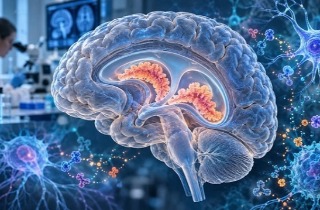
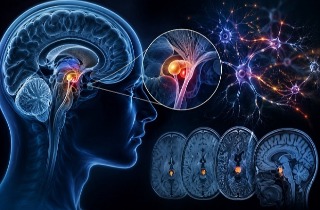
A small study has uncovered an intriguing difference in people with long COVID: enlargement of the choroid plexus, a structure that produces the fluid surrounding the brain and helps regulate communication between the bloodstream and the brain’s environment.
Brain scans and laboratory experiments connect long COVID with enlarged choroid plexus volumes and...
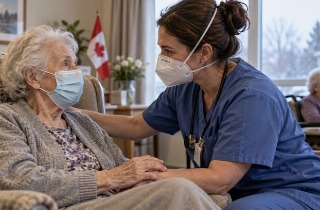
COVID-19 infections and outbreaks are increasing in Canada, with older adults bearing the greatest burden, according to federal surveillance data updated on October 2, 2026. Although national activity remains low, the latest figures show rising test positivity and continuing outbreaks in long-term care facilities as Canada moves into its fall respiratory virus season.
COVID-19 cases are risin...
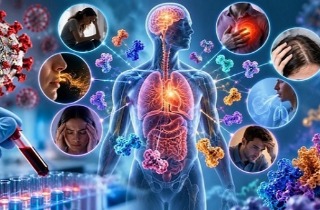
Long COVID may not be a single biological disorder but a collection of different molecular disturbances, with particular symptoms carrying their own distinctive protein fingerprints, according to new research examining nearly 2,900 proteins in people previously infected with SARS-CoV-2.
Researchers identified 235 proteins associated with individual long COVID symptoms, revealing distinctive
...
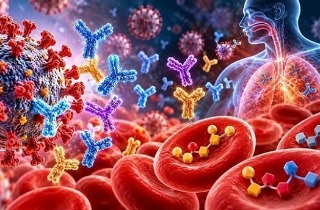
COVID-19 may do more than trigger antibodies against the coronavirus itself. New research suggests SARS-CoV-2 infection can also disturb naturally occurring antibodies linked to a person’s ABO blood group, producing surprisingly unpredictable changes that could have implications for immunity, blood transfusion, organ transplantation, and potentially autoimmunity.
COVID-19 may unexpected...
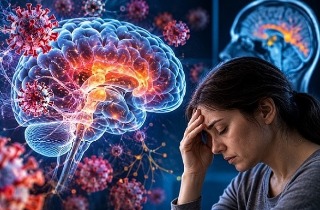
Researchers have identified a combined brain-and-cognition pattern that distinguishes people with Long COVID from healthy controls, pointing toward subtle neuroinflammatory and vascular changes rather than widespread neurodegeneration.
Advanced MRI and cognitive testing linked Long COVID symptoms with subtle brain changes consistent
with neuroinflammatory and vascular processes
The ...
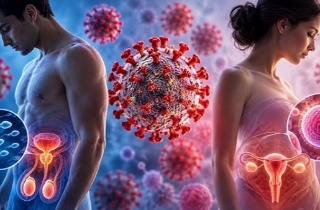
COVID-19 may affect sexual and reproductive health through a surprisingly broad combination of vascular, hormonal, inflammatory, reproductive, and psychological pathways, according to a large systematic review.
A systematic review finds COVID-19 can affect sexual function, sperm quality, hormones, and menstrual health,
although many reproductive changes appear temporary
Researchers examin...
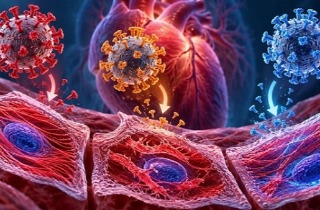
SARS-CoV-2 spike proteins from the Alpha, Delta, and Omicron variants can trigger distinctly different structural and molecular changes in human heart muscle cells, according to new laboratory research examining how viral proteins affect the cellular machinery needed for normal cardiac function.
Alpha, Delta, and Omicron spike proteins produced different structural and molecular remodeling pa...
A little-studied herpesvirus may deserve closer attention in long COVID research after scientists found strikingly high HHV-7 positivity among patients experiencing persistent neurological and neuropsychiatric symptoms following SARS-CoV-2 infection.
HHV-7 positivity reached 76.7% among patients with neurological or neuropsychiatric long COVID in a retrospective study
Research institutions...
Scientists investigating why COVID-19 can increase the risk of dangerous blood clots have discovered unusually high levels of cell-free hemoglobin and iron inside cerebral thrombi removed from stroke patients.
COVID-19-associated stroke clots contained unusually high levels of cell-free hemoglobin and iron, revealing
a potential new mechanism contributing to abnormal blood clotting
...
A newly published scientific review is drawing attention to a potentially important biological connection between COVID-19, disrupted fat metabolism, and long-term neurological damage. Researchers argue that changes involving the SARS-CoV-2 receptor ACE2 and cellular lipids could help explain why neurological problems persist in some people with Long COVID and may overlap with pathways involved in...
Scientists are investigating whether SARS-CoV-2 proteins that remain in the body long after an acute infection could help explain why some people develop persistent, multisystem symptoms known as Long COVID.
Persistent SARS-CoV-2 antigens detected months after infection are being investigated as one possible
contributor to Long COVID
The review was conducted by Elifcan Aladag and Ib...
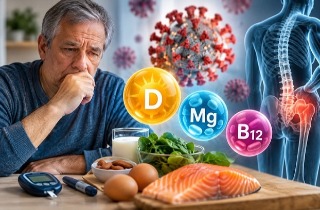
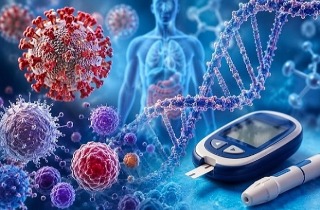
A large study suggests COVID-19 may leave people with type 2 diabetes facing elevated risks of vitamin and mineral deficiencies for years after infection, alongside higher rates of osteoporosis and fractures.
Researchers I-Wen Chen, Li-Chen Chang, and Kuo-Chuan Hung analyzed electronic health records from the predominantly U.S.-based TriNetX Global Collaborative Network. The researchers a...
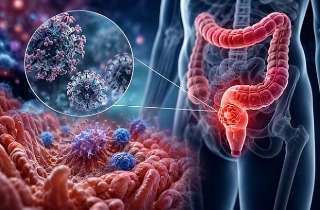
Acute respiratory infections such as influenza and COVID-19 could have unexpected consequences for people with dormant cancer cells, with mounting evidence suggesting that infection-driven inflammation can alter the body's immune environment in ways that allow previously inactive cancer cells to awaken and grow.
Acute influenza and COVID-19 inflammation may awaken dormant cancer cells and...
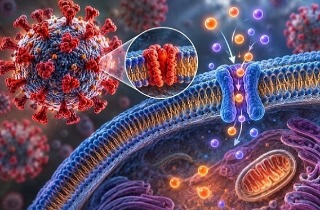
A scientific review focuses on ion channels and virus-made membrane proteins that may help SARS-CoV-2 replicate, disrupt cells, provoke inflammation and possibly contribute to persistent illness.
SARS-CoV-2 viroporins, particularly the E protein, may disrupt cellular ion balance and expose new
therapeutic targets
Researchers Faisal F. Alousi and Abdel A. Alli examined evidence surro...
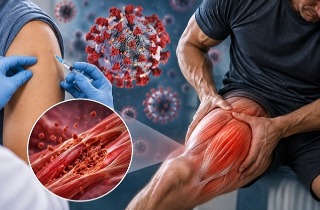
A major systematic review has brought together evidence of a rare but potentially serious form of muscle damage reported in people with SARS-CoV-2 infection and, much less frequently, following COVID-19 vaccination.
A systematic review found rhabdomyolysis reported during COVID-19 infection and in rare cases following vaccination,
although vaccine causality has not been established.
Resea...
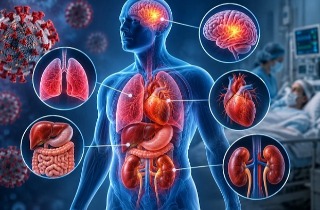
Neuropsychiatric symptoms in people hospitalized with COVID-19 may be less an isolated brain problem than part of wider multi-organ illness, according to a Romanian study that found kidney and urinary-system involvement carried greater prognostic weight for intensive care and death.
COVID-19 neurological symptoms often appeared within broader multi-organ disease, while renal-urinary
involvem...
An Israeli study examining internal pharmacovigilance records has raised questions about how quickly an emerging myocarditis and pericarditis safety signal was communicated during the early COVID-19 vaccination campaign.
Researchers Yaakov Ophir, affiliated with Ariel University in Israel and the University of Cambridge in the United Kingdom, and Yaffa Shir-Raz of the University of Haifa in Israe...
Scientists are calling for more rigorous research into possible connections between cancer, SARS-CoV-2 infection, and COVID-19 vaccination after a major review identified recurring cancer-related signals in published medical literature from around the world.
Scientists examining worldwide evidence say cancer signals reported after COVID-19 infection and vaccination
require further investigat...
A study of people living with severe long COVID for about three years has found no evidence that three circulating markers of NETosis—a process linked to immune activation and inflammation—remain elevated long after SARS-CoV-2 infection. The findings challenge the idea that persistent systemic NETosis is a universal driver of long-term long COVID.
NETosis is a specialized form...
A newly identified population of dysfunctional immune cells may persist for months after acute COVID-19, offering fresh evidence that SARS-CoV-2 can leave measurable changes in the immune system well beyond the initial infection.
Researchers found that COVID-19 was associated with an expansion of unusual monocytes—white blood cells that help coordinate inflammation, destroy microbes, and de...
Cognitive problems following COVID-19 may linger far longer than patients realize, with new research finding that difficulties involving attention and psychomotor speed remained strikingly common during extended follow-up.
Researchers studying adults months and even years after COVID-19 found that approximately two-thirds showed objective impairment in attention and psychomotor functioning. Impor...
Kidney problems linked to COVID-19 may persist for at least six months, particularly among people sick enough to require hospitalization, according to a prospective Swedish study that tracked both filtering function and signs of tubular injury.
Hospitalized COVID-19 patients showed signs of impaired kidney function and persistent tubular injury for up to six months
after infection
R...
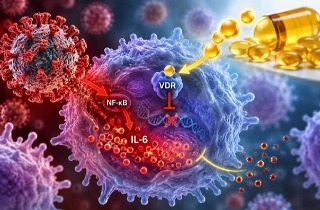
Researchers have uncovered a potential “dual-hit” mechanism by which SARS-CoV-2 may intensify harmful inflammation: the virus activates a major inflammatory pathway while weakening vitamin D receptor signaling that normally helps restrain immune responses.
Researchers found that SARS-CoV-2 may disrupt vitamin D receptor signaling while driving IL-6 inflammation, with
calcitriol s...
COVID-19 may have lasting consequences for the eyes of people with type 2 diabetes, with a massive multicenter study finding that patients with recorded SARS-CoV-2 infection had a substantially higher subsequent risk of diabetic retinopathy, including potentially vision-threatening forms of the disease.
COVID-19 was associated with increased subsequent diabetic retinopathy risk among adults w...
Organizing pneumonia is an inflammatory lung condition in which healing tissue develops inside the tiny airways and air sacs, interfering with normal lung function. Despite its name, it is not pneumonia caused directly by bacteria. It can develop after infections and other lung injuries, including COVID-19. In COVID-related organizing pneumonia, patients may experience persistent cough, shortness ...
Researchers have uncovered evidence that SARS-CoV-2 depends heavily on disabling stress granules, a cellular defense system that can halt protein production and interfere with viral replication. Disrupting two viral mechanisms that suppress these granules weakened the virus while still producing protection against later infection.
Blocking two SARS-CoV-2 stress-granule defenses reduced replic...
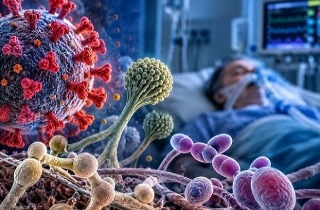
Fungal infections emerging alongside COVID-19 can dramatically complicate severe disease, particularly among critically ill patients, according to a major new scientific review examining the mechanisms, diagnosis, risk factors, and treatment of these potentially deadly co-infections.
Researchers warn that invasive fungal infections can exploit COVID-19-related immune dysfunction and tissue
d...
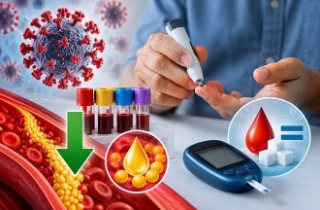
COVID-19 infection may leave measurable changes in blood lipid levels among adults with type 2 diabetes (T2D), while having little lasting impact on blood sugar control, according to a large retrospective study from Saudi Arabia.
COVID-19 was linked to small reductions in several blood lipids while long-term blood sugar markers remained stable in
adults with type 2 diabetes
Researchers an...
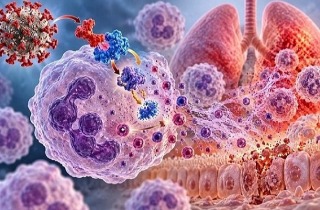
Scientists have uncovered a previously unknown mechanism by which SARS-CoV-2 may drive damaging inflammatory responses, identifying a viral protein-host protein interaction that could potentially become a new therapeutic target for severe COVID-19.
Researchers discovered how a SARS-CoV-2 protein can disable a natural neutrophil brake, potentially
fueling excessive inflammation and lung damag...
A major American study has uncovered new evidence explaining how COVID-19 can push the immune system into attacking the body itself, with researchers discovering that SARS-CoV-2 can activate immune pathways strikingly similar to those involved in lupus DN2s.
American researchers have identified lupus-like immune pathways that may explain how COVID-19 triggers harmful
autoantibodies and post-infe...
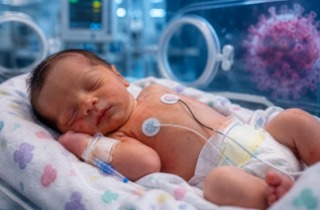
A worrying rise in the most dangerous form of herpes simplex virus (HSV) infection among newborn babies has emerged following the COVID-19 pandemic, according to a large 16-year study from Northern California. Researchers found that disseminated HSV, in which infection spreads through the body and can affect multiple organs, increased sharply after 2021.
A major study found a sharp post-pande...
Post-exertional malaise (PEM), a potentially disabling worsening of symptoms following physical or mental activity, was reported by about one in five New York City adults with a history of COVID-19, according to a large population-representative survey.
A large NYC survey found post-exertional malaise in about one-fifth of adults with prior COVID, with strong associations with
disability
&n...
Researchers studying an experimental magnetic therapy for people with Long COVID-related cognitive impairment have identified distinctive changes in blood proteins among participants classified as treatment responders.
The exploratory findings do not establish that Microtesla Magnetic Therapy (MMT) causes these biological changes or prove that it is an effective treatment for Long COVID. ...
Researchers in Germany have identified a pattern of proteins on circulating extracellular vesicles that could help distinguish people with post-COVID-19 syndrome from those who recovered completely, raising hopes for a future blood-based biomarker.
Scientists have identified a multivariable plasma extracellular-vesicle signature that may help distinguish Long COVID from complete recovery
&nb...
Scientists have identified a group of antiviral proteins produced during acute respiratory infections that may influence whether patients later develop persistent neurocognitive problems associated with Long COVID.
Strong antiviral protein responses during acute COVID-19 may reduce the risk of persistent neurocognitive symptoms
including brain fog
The findings suggest that the stren...