Mysterious Long Noncoding RNA Found to Play Vital Role in Immunity and Cancer Defense
Nikhil Prasad Fact checked by:Thailand Medical News Team Dec 09, 2025 9 months, 3 weeks, 5 days, 1 hour, 45 minutes ago
Medical News: Scientists from the New York University Grossman School of Medicine have uncovered the powerful role of a little-known molecule called CARINH, a long noncoding RNA (lncRNA), in the body’s immune defenses and cancer suppression. This discovery is helping to rewrite what we know about so-called “junk DNA” and offers new hope for treating diseases like inflammatory bowel disease (IBD), asthma, psoriasis, and even several cancers.
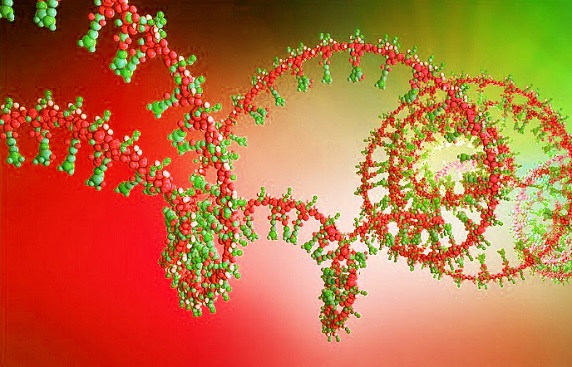 Scientists identify CARINH as a powerful immune-regulating RNA linked to infections and cancer
CARINH is not your typical gene. It doesn’t make a protein. Instead, it helps regulate how other genes work, especially those involved in the immune system. CARINH is turned on by interferons—chemical signals the body sends out during infections. Once active, it helps boost a critical immune gene called IRF1. This creates a chain reaction that strengthens the body's antiviral response.
Key Role in Viral Infections and Autoimmune Diseases
Researchers found that when people or animals are infected with viruses like hepatitis C, HIV, or influenza, levels of CARINH increase. In lab tests using genetically modified mice, those without CARINH suffered worse infections and showed less immune activity. Even in goats infected with a virus, CARINH was found to be active, showing how widely conserved this gene is.
This
Medical News report highlights that CARINH also plays a role in autoimmune diseases. Inflammatory bowel disease, for example, worsened dramatically in mice lacking this RNA. These mice experienced more intestinal damage and inflammation. Researchers found that CARINH works with friendly gut bacteria to regulate the immune response and prevent harmful inflammation.
CARINH Variants Linked to Health Risks
CARINH's genetic location has also been linked to higher risks for asthma, COPD, psoriasis, juvenile arthritis, and cardiovascular conditions. Certain variations in the DNA near the CARINH gene were found to affect how people respond to treatments like the psoriasis drug Etanercept, and could even influence risk for diseases like breast cancer.
New Target for Cancer Treatments
CARINH is also gaining attention in cancer research. In esophageal cancer, scientists discovered that when CARINH levels are low, tumors grow faster. But when CARINH is increased, cancer cells die more easily, and tumors shrink. Similar results were seen in breast cancer, where higher CARINH levels were linked to better immune responses and longer survival.
In leukemia, CARINH was found in a large network of RNA molecules that help regulate cancer-related pathways like cell growth and inflammation. While research is still ongoing, CARINH may become a useful target for new cancer therapies.
Conclusion
CARINH may soon become a major player in medicine. From regulating immune responses and fighting infections to preventing
inflammation and slowing cancer growth, this noncoding RNA is proving far from useless. Understanding how CARINH works—and how to safely boost or block it—could lead to new treatments for autoimmune diseases, cancers, and viral infections. With tools like antisense oligonucleotides already in development, researchers are optimistic that CARINH-targeted therapies could be on the horizon.
The study findings were published in the peer reviewed journal: Non-Coding RNA
https://www.mdpi.com/2311-553X/11/6/79
For the latest on long noncoding RNAs, keep on logging to Thailand
Medical News.
Read Also:
https://www.thailandmedical.news/articles/genomics-and-epigenetics




 Share
Share
 Tweet
Tweet
 Share
Share

































