Nikhil Prasad Fact checked by:Thailand Medical News Team May 29, 2026 3 months, 4 days, 11 hours, 19 minutes ago
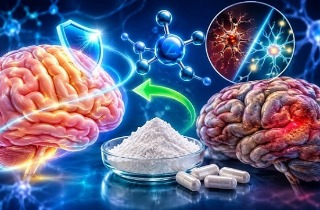
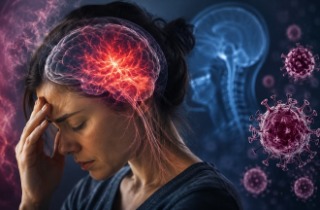
Medical News: Scientists in Brazil have discovered that a plant-based flavonoid called rutin could make one of the world’s most commonly used brain cancer drugs work far better against glioblastoma, the deadliest form of brain cancer. The new research suggests that rutin not only weakens tumor cells directly but also helps overcome the cancer’s stubborn resistance to chemotherapy.
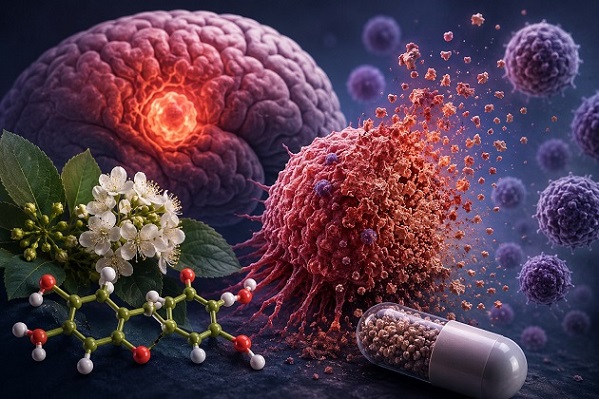 Researchers find that rutin may dramatically improve chemotherapy effectiveness against aggressive brain tumors
Glioblastoma is an aggressive brain tumor that grows rapidly and is notoriously difficult to treat. Even with surgery, radiation, and chemotherapy, most patients survive only about 15 months after diagnosis. One of the biggest problems is that glioblastoma cells quickly adapt and become resistant to temozolomide, the standard chemotherapy drug used worldwide.
Researchers from the Federal University of Bahia, the D’Or Institute for Research and Teaching at São Rafael Hospital, the University of São Paulo, and the National Institute of Translational Neuroscience in Brazil wanted to investigate whether rutin could make these tumors more vulnerable to treatment.
Rutin Dramatically Increased Chemotherapy Effects
Rutin is a natural flavonoid found in apples, citrus fruits, buckwheat, tea, and several medicinal plants. It is already known for its antioxidant and anti-inflammatory properties, but scientists wanted to see if it could also interfere with the biological pathways that help glioblastoma survive.
The researchers tested rutin on two human glioblastoma cell lines using both traditional laboratory cultures and more advanced 3D tumor spheroids that closely mimic real tumors inside the human body.
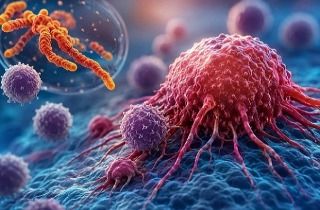
The results were striking. Rutin alone reduced tumor cell survival in both models. However, when combined with temozolomide, the cancer-killing effects became significantly stronger. In some experiments, tumor viability dropped to extremely low levels, especially in the more resistant glioblastoma cells.
Importantly, rutin appeared selective. While it harmed cancer cells, it did not damage healthy astrocytes, which are normal brain support cells. In fact, healthy cells sometimes showed improved metabolic activity after rutin exposure.
Tumors Became Less Organized and Less Aggressive
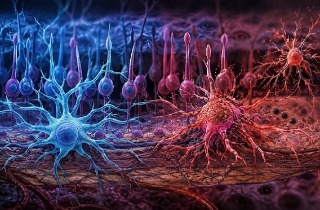
The study revealed that rutin caused major structural disruption inside the tumor spheroids. Normally, glioblastoma forms tightly packed tumor masses that help protect cancer cells from treatment. But rutin caused the spheroids to lose their compact structure and become more disorganized.
Researchers also found that rutin sharply reduced the ability of glioblastoma cells to migrate. This is important because glioblastoma spreads aggressively through brain tissue, making complete surgical removal nearly impossible.
The compound altered several extracellular matrix proteins including fibronectin, laminin, and MMP2, all of which are involved in tumor invasion and movement. By disrupting these pathways, rutin appeared to reduce the cancer’s ability to spread.
Key Cancer Survival Pathways Were Suppressed
One of the most important findings was rutin’s effect on several molecular pathways linked to chemotherapy resistance.
The researchers observed suppression of the PI3K/AKT and STAT3 pathways, two major signaling systems that help cancer cells survive stress and resist treatment. Glioblastoma often activates these pathways after chemotherapy exposure, allowing tumors to recover and continue growing.
Rutin also lowered levels of reactive oxygen species, nitric oxide signaling, and kynurenine metabolism, all of which are associated with inflammation, immune evasion, and tumor progression.
This
Medical News report highlights that rutin appears to attack glioblastoma through multiple interconnected mechanisms rather than through a single target. That broad action may explain why it significantly improved temozolomide sensitivity.
The scientists additionally found that pretreating tumors with rutin before chemotherapy further enhanced the responsiveness to temozolomide.
A Possible Future Add-On Therapy
Although the findings are still limited to laboratory studies, researchers believe rutin could eventually become an adjuvant therapy used alongside existing glioblastoma treatments.
Because rutin is naturally derived and appeared less toxic to healthy cells, scientists believe it may offer a safer way to improve chemotherapy effectiveness without dramatically increasing side effects.
The researchers emphasized that the 3D tumor spheroid models used in the study better reflect real-life tumor behavior compared to older flat cell culture systems. This strengthens confidence that the findings may have real biological relevance.
Conclusion
The study provides strong evidence that rutin can weaken glioblastoma defenses and make chemotherapy far more effective. By simultaneously targeting oxidative stress, inflammatory signaling, immune-related metabolism, tumor structure, and migration pathways, rutin appears capable of disrupting several systems that glioblastoma relies on for survival. Although human clinical trials are still needed, the findings suggest that this natural flavonoid could eventually become part of a new combination strategy for treating one of the deadliest cancers known today.
The study findings were published in the peer reviewed journal: Antioxidants.
https://www.mdpi.com/2076-3921/15/5/643
For the latest on brain cancer, keep on logging to Thailand
Medical News
Read Also:
https://www.thailandmedical.news/articles/cancer
https://www.thailandmedical.news/articles/herbs-and-phytochemicals




 Share
Share
 Tweet
Tweet
 Share
Share