Nikhil Prasad Fact checked by:Thailand Medical News Team Jul 07, 2026 1 month, 3 weeks, 5 days, 20 minutes ago
Thailand Medical News: Large Real-World Study Suggests Gut Bacteria Supplements May Improve Survival
A massive new study involving more than 12,000 hospitalized COVID-19 patients has found that probiotic supplements may help lower the risk of death in people infected with the Omicron variant. While probiotics did not prevent every form of disease worsening, researchers say the findings provide encouraging evidence that improving gut health could play an important supporting role in COVID-19 treatment.
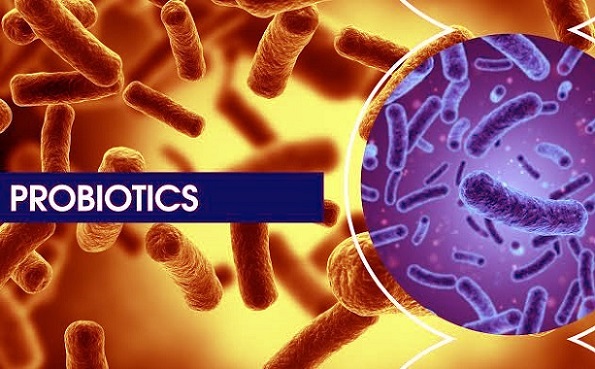 Large multicenter study finds probiotic supplements may significantly improve survival among hospitalized
Omicron COVID-19 patients
The research was led by scientists from The First Affiliated Hospital of Zhengzhou University, the State Key Laboratory of Antiviral Drugs, and Pingyuan Laboratory, together with researchers from Fengqiu County People’s Hospital, Henan University of Science and Technology, Nanyang Central Hospital, Henan Provincial Chest Hospital, Guangshan County People’s Hospital, Shangqiu Municipal Hospital, the Affiliated Infectious Disease Hospital of Zhengzhou University, Anyang City Fifth People’s Hospital, and Luoyang Central Hospital, all in China.
Why Scientists Looked at Probiotics
Scientists have known for several years that COVID-19 affects far more than the lungs. Many patients develop digestive problems, and infection often disrupts the balance of beneficial bacteria living in the gut. This imbalance can weaken immune defenses, increase inflammation, and potentially make severe illness more likely.
Because probiotics help restore healthy gut bacteria, researchers wanted to determine whether these supplements could improve survival in patients infected with the highly contagious Omicron variant.
More Than 12,000 Patients Were Studied
The investigators analyzed medical records from 10 hospitals in Henan Province. After carefully matching patients with similar medical conditions and risk factors, they compared 4,205 patients who received probiotics with 8,410 patients who received standard care alone, creating a final study population of 12,615 hospitalized patients. The primary goal was to measure deaths from any cause, while secondary analyses examined overall disease progression and safety.
Survival Improved by 27 Percent
The results were striking. Patients given probiotic supplements experienced a 27 percent lower risk of death compared to those who received conventional treatment alone.
The greatest benefit appeared in patients with severe COVID-19 and in those who were not receiving antiviral medications. Researchers also confirmed that completing three vaccine doses and treatment with the antiviral drug Azvudine independently reduced the risk of death.
Importantly, although probiotics lowered mortality, they did not significantly reduce the overall rate of combined disease progression, which included worsening illness, intensive care admission, mechanical ventilation, prolonged hospitalization, or death.
This
al.news/">Thailand Medical News report highlights that reducing mortality without changing every clinical outcome suggests probiotics may influence specific biological pathways that improve survival rather than preventing every complication.
Certain Probiotic Formulations Performed Better
Not all probiotic products produced identical results. Preparations containing multiple bacterial strains, especially Bifidobacterium Quadruple formulations and Clostridium butyricum Enterococcus Triple combinations, showed the strongest survival benefits. Tablet formulations also appeared more effective than capsules or powders.
However, among patients with only mild COVID-19, probiotics did not reduce deaths and were unexpectedly associated with a higher risk of composite disease progression, indicating that benefits may be greatest in hospitalized patients with more serious illness rather than those with milder infections.
Safety Was Generally Reassuring
Researchers found probiotic supplementation was generally well tolerated throughout hospitalization. Most laboratory measurements remained stable, although temporary changes in blood creatinine levels suggested kidney function should continue to be monitored when probiotics are used in hospitalized patients.
Conclusion
The findings suggest that probiotics could become a valuable supportive therapy for hospitalized patients with severe Omicron infections by improving survival through better regulation of immune responses and gut health. Although more randomized clinical trials are still needed to confirm these observations and identify the most effective probiotic strains, this large real-world study provides some of the strongest evidence so far that carefully selected probiotic supplements may offer meaningful clinical benefits alongside standard COVID-19 treatment.
The study findings were published in the peer reviewed journal: VIEW.
https://onlinelibrary.wiley.com/doi/10.1002/VIW.20250074
For the latest COVID-19 news, keep on logging to
Thailand Medical News.
Read Also:
https://www.thailandmedical.news/articles/coronavirus




 Share
Share
 Tweet
Tweet
 Share
Share