Nikhil Prasad Fact checked by:Thailand Medical News Team Feb 13, 2026 5 months, 1 week, 3 days, 6 hours, 23 minutes ago
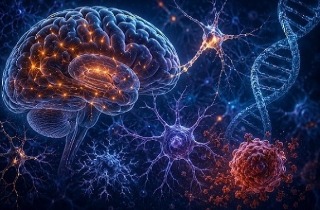
Medical News: A growing body of research is shining new light on a tropical legume long used in traditional medicine. Scientists now say that Mucuna pruriens, often called the velvet bean, could play a powerful role in managing neurological disorders such as Parkinson’s disease and even certain forms of depression. The latest review was conducted by researchers from the Université d’Orléans and the Institut de Chimie Organique et Analytique, and explores how this plant works inside the brain and body.
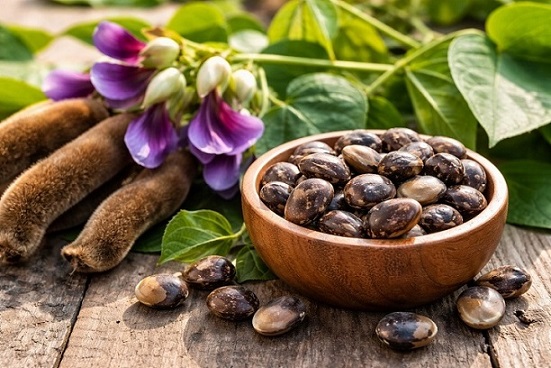 Natural velvet bean seeds rich in L-Dopa show promise in easing Parkinson’s symptoms and depression
A Natural Source of Brain-Boosting L-Dopa
Natural velvet bean seeds rich in L-Dopa show promise in easing Parkinson’s symptoms and depression
A Natural Source of Brain-Boosting L-Dopa
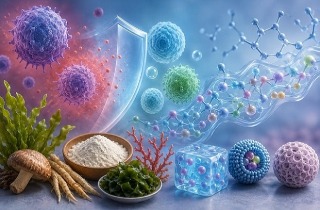
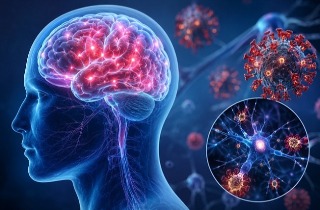
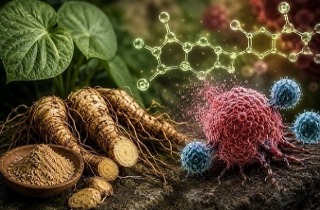
Mucuna pruriens has been used for centuries in Ayurvedic medicine. What makes it unique is its high content of L-Dopa, a natural compound that the body converts into dopamine. Dopamine is a vital brain chemical responsible for movement, motivation, mood, and reward. In Parkinson’s disease, dopamine-producing brain cells gradually die, leading to tremors, stiffness, and slow movement.
The researchers found that the seeds of this plant contain between 1.5 and 6 percent L-Dopa, depending on where and how it is grown. In some extraction studies, levels reached as high as 7 percent. Unlike synthetic L-Dopa drugs, the plant also contains antioxidants, alkaloids, flavonoids, and other natural compounds that may help reduce side effects.
Fewer Side Effects Than Synthetic Drugs
Long-term use of synthetic L-Dopa can lead to serious side effects such as dyskinesia, a condition marked by involuntary movements. However, several animal and human studies reviewed in the paper suggest that Mucuna pruriens extracts may reduce these complications.
In one clinical study involving patients with advanced Parkinson’s disease, higher doses of Mucuna pruriens improved motor function and caused fewer abnormal movements compared to standard medication. Interestingly, researchers observed that the plant extract appeared to work without the need for additional enzyme inhibitors that are usually required with synthetic drugs.
Laboratory experiments also revealed that certain compounds in the plant act as selective inhibitors of catechol-O-methyltransferase (COMT), an enzyme that breaks down dopamine. By slowing dopamine breakdown, the plant may help maintain steadier dopamine levels in the body.
Potential Benefits Beyond Parkinson’s
The review highlights emerging evidence that Mucuna pruriens may also help reduce depressive symptoms. In animal studies, rats given plant extracts showed significantly less immobility in behavioral tests commonly used to measure depression. The effect was linked to improved dopamine signaling and reduced brain inflammation.
Other experiments demonstrated antioxidant and anti-inflammatory properties. In models of mild traumatic brain injury, short-term treatment reduced oxidative stress and prevented depressive-like behavior. The plant also lowered inflammatory markers such as interleukin-6 in obese rats, suggesting possible benefits in conditions linked to chronic inflammation.
;
This
Medical News report notes that oxidative stress and neuroinflammation are increasingly recognized as key drivers of both neurodegenerative diseases and mood disorders. By targeting multiple biological pathways at once, Mucuna pruriens may offer broader protective effects than single-target drugs.
Extraction And Stability Matter
Researchers also examined how preparation methods affect potency. Heat can degrade L-Dopa, while acidic extraction methods improve stability. Double extraction at room temperature using mild acetic acid produced yields ranging from 3.6 to 9.1 grams of L-Dopa per 100 grams of dry seeds. However, improper storage may lead to oxidation and reduced effectiveness.
Important Precautions
Despite its promise, the plant is not suitable for everyone. Because it increases dopamine levels, it may worsen symptoms in individuals with schizophrenia or psychotic disorders. The researchers stress that further clinical trials are needed to confirm long-term safety and optimal dosing strategies.
Conclusion
The evidence gathered so far suggests that Mucuna pruriens is more than just a traditional herbal remedy. Its high natural L-Dopa content, combined with antioxidant and anti-inflammatory compounds, may provide meaningful benefits for Parkinson’s disease and certain depressive states. At the same time, careful dosing, proper extraction, and medical supervision are essential. While not a cure, this plant represents a promising complementary approach that could improve quality of life, particularly in regions where access to conventional medication is limited.
The study findings were published in the peer reviewed journal: Scientia Pharmaceutica.
https://www.mdpi.com/2218-0532/94/1/16
For the latest on Herbs and Phytochemicals, keep on logging to Thailand
Medical News.
Read Also:
https://www.thailandmedical.news/articles/alzheimer,-dementia-
https://www.thailandmedical.news/articles/mental-health
https://www.thailandmedical.news/articles/herbs-and-phytochemicals




 Share
Share
 Tweet
Tweet
 Share
Share