Kittisak Meepoon Fact checked by:Thailand Medical News Team Dec 04, 2025 9 months, 4 weeks, 2 days, 23 hours, 57 minutes ago
Medical News: Musculoskeletal Problems Remain Long After COVID-19 Infection
A growing body of research is revealing that COVID-19 does not end when the fever fades. Many people continue to suffer months later with muscle weakness, fatigue, and reduced quality of life, according to a systematic review conducted by researchers from Universidad Santiago de Cali, Universidad de San Buenaventura in Cartagena, and the Health and Movement Research Group in Cali, Colombia.
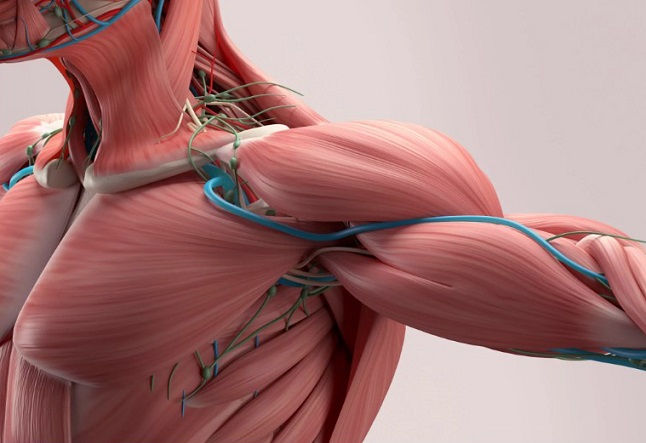
A new review shows COVID19 commonly causes long lasting muscle weakness and fatigue in survivors
This
Medical News report highlights what experts now know about the long-term impact on the body’s muscles and why even non-hospitalized individuals can take months to recover strength.
Muscle Weakness a Common Long-Term Problem
The review analyzed 13 studies involving more than 5600 patients and found that muscle weakness appeared in most individuals at least 12 weeks after COVID-19 infection. The most affected were older adults, people with obesity, diabetes, chronic lung disease, or those who required intensive care and ventilation. Many patients showed lower handgrip strength and reduced lower-limb power, clear signs of muscle decline. Researchers reported that inactivity during illness worsened muscle loss, while individuals who maintained some level of physical activity regained strength faster.
Fatigue Persists Even After Other Symptoms Improve
Fatigue was another major and stubborn symptom. Across all studies, patients described a deep tiredness that limited daily activities. Formal assessments such as the PCFS and FACIT-F scales showed many still struggled months later with moderate limitations. Active individuals generally recovered fatigue levels sooner, while sedentary people and those with previous respiratory issues experienced fatigue for a much longer time. The findings show how COVID-19 disrupts cellular energy systems, causes inflammation, and damages muscle fibers, all contributing to long-lasting exhaustion.
Quality of Life Strongly Affected
Most patients, whether hospitalized or not, reported a noticeable drop in their quality of life. The areas most affected were physical functioning, mental health, body pain, and the ability to perform regular activities. Some improvements appeared after 12 months, but many still had lingering muscle weakness and reduced physical performance. Tests such as the SF-36, EQ-5D-5L, and Saint George Respiratory Questionnaire revealed that breathing difficulties, body pain, and fatigue were ongoing contributors to poor quality of life.
Conclusions
The study shows that COVID-19 leaves behind significant and long-lasting musculoskeletal problems. Muscle strength declines due to inflammation, inactivity, and even muscle tissue changes deep inside the body. Fatigue remains one of the most disabling symptoms, while diminished quality of life affects almost all survivors. Recovery is possible but can be slow, especially without structured rehabilitation. These findings highlight the need for personalized physiotherapy, proper nutrition, and ongoing physical activity to restore st
rength, reduce fatigue, and help people return to normal life. Understanding these long-term effects is crucial for improving care for millions living with post-COVID conditions.
The study findings were published in the peer reviewed journal: Diseases.
https://www.mdpi.com/2079-9721/13/12/391
For the latest COVID-19 news, keep on logging to Thailand
Medical News.
Read Also:
https://www.thailandmedical.news/articles/coronavirus
https://www.thailandmedical.news/articles/long-covid




 Share
Share
 Tweet
Tweet
 Share
Share

































