Nikhil Prasad Fact checked by:Thailand Medical News Team May 18, 2026 3 months, 2 weeks, 1 day, 13 hours, 21 minutes ago
Medical News: Researchers are now exploring an emerging cancer treatment strategy that combines melatonin with natural plant-derived compounds known as phytochemicals. A new scientific review suggests that this combination may interfere with the altered metabolism that cancer cells rely on to survive, grow, and spread throughout the body.
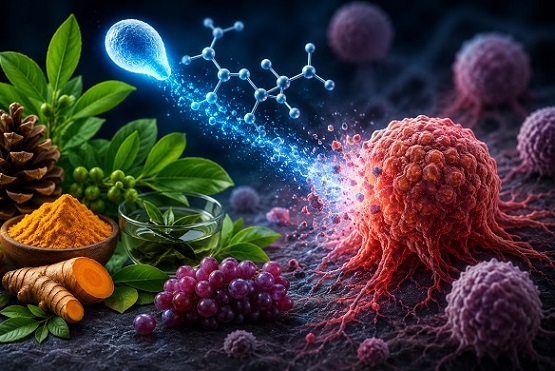 Scientists discover that melatonin combined with plant compounds may disrupt the altered metabolism
that fuels cancer growth
The study was conducted by researchers from the Applied Science Private University in Jordan, the Ministry of Trade and Al-Qasim Green University in Iraq, JSS Academy of Higher Education & Research in India, the University of Pécs in Hungary, and Inti International University in Malaysia.
Cancer Cells Depend on Altered Metabolism
Cancer cells differ from normal cells because they reprogram the way they generate energy. Instead of producing energy efficiently through normal oxygen-dependent pathways, tumors switch to a rapid sugar-burning process known as the Warburg effect. This allows cancer cells to consume large amounts of glucose and quickly create the energy and raw materials needed for rapid growth.
The review explains that cancer cells also alter fat metabolism and glutamine metabolism to support tumor survival. These metabolic changes help tumors resist chemotherapy, survive under stress, and continue multiplying aggressively.
Scientists believe that targeting these abnormal metabolic pathways could weaken tumors and make them more sensitive to treatment.
Melatonin Shows Multiple Anticancer Effects
Melatonin is widely known as the hormone that regulates sleep cycles, but researchers say it also has important anticancer properties. According to the review, melatonin can directly interfere with several metabolic processes that tumors rely on.
The compound was found to suppress enzymes involved in glycolysis, including HK2 and LDHA, while also reducing glucose uptake into cancer cells. Melatonin shifts cancer cells away from sugar-dependent metabolism and promotes more normal mitochondrial energy production. This metabolic disruption can trigger apoptosis, or programmed cancer cell death.
Researchers also found that melatonin increases oxidative stress inside tumors. While healthy cells can defend themselves against this stress, cancer cells often cannot, leading to cellular damage and death.
In ovarian cancer models, melatonin reduced tumor growth significantly while lowering lactate and glutamine levels, both of which are essential fuels for cancer cells.
Phytochemicals May Enhance Melatonin’s Effects
The review highlighted several plant compounds that appear to work synergistically with melatonin. These include curcumin from turmeric, resveratrol from grapes, EGCG from green tea, gingerol from ginger, lycopene from red fruits, berberine, andrographolide, and thymoquinone.
Many of these phytochemicals were shown to suppress inflammation, block cancer growth pathways, inhibit tumor migration, and incre
ase apoptosis.
This
Medical News report notes that researchers are particularly interested in how these compounds may work together with melatonin to create a multi-targeted attack on cancer metabolism while potentially producing fewer side effects than traditional chemotherapy.
Combination Treatments Show Strong Laboratory Results
Several combinations discussed in the review produced impressive results in laboratory and animal studies.
Melatonin combined with curcumin was more effective at slowing bladder cancer cell growth than either compound alone. The combination disrupted important inflammatory pathways such as NF-kB and COX-2 that cancer cells use for survival.
The pairing of melatonin and resveratrol significantly reduced breast cancer cell invasion and increased cancer cell death. Researchers also observed stronger anticancer activity when both compounds were delivered together using specialized nanocarriers.
Melatonin and EGCG from green tea also demonstrated strong synergistic effects by increasing apoptosis and reducing tumor migration.
Another important finding involved pancreatic cancer cells. Melatonin disrupted glutamine metabolism and triggered ferroptosis, a specialized form of cancer cell death associated with iron-dependent oxidative damage.
The review also discussed combinations involving thymoquinone, andrographolide, berberine, and other phytochemicals that enhanced anticancer immune responses, reduced tumor growth, and disrupted cancer metabolism.
A Potential New Direction in Cancer Therapy
Researchers believe these findings may represent an important new direction in oncology because cancer metabolism has become a major focus of modern cancer research. Unlike conventional therapies that directly attack tumors, these natural compounds may weaken the systems cancer cells depend on for energy production and survival.
The researchers emphasized that melatonin is inexpensive, widely available, and generally considered safe. Combined with phytochemicals, it may eventually become part of supportive cancer treatment strategies designed to improve treatment outcomes and reduce therapy resistance.
The scientists concluded that the combination of melatonin and phytochemicals represents a promising approach for targeting cancer metabolism through multiple pathways simultaneously. These compounds appear capable of suppressing glycolysis, interfering with fat and glutamine metabolism, reducing inflammation, promoting oxidative stress inside tumors, and enhancing cancer cell death. However, the researchers stressed that most evidence remains preclinical, and large human clinical trials are still needed to determine the true therapeutic value, safety, and optimal dosing of these combinations in cancer patients.
The study findings were published in the peer reviewed journal: Nutrients.
https://www.mdpi.com/2072-6643/18/10/1515
For the latest cancer research, keep on logging to Thailand
Medical News.
Read Also:
https://www.thailandmedical.news/articles/cancer
https://www.thailandmedical.news/articles/herbs-and-phytochemicals




 Share
Share
 Tweet
Tweet
 Share
Share