Study Shows That Many Who Had COVID-19 Exhibit Periportal and Portal Inflammation
Nikhil Prasad Fact checked by:Thailand Medical News Team Jan 03, 2026 7 months, 4 weeks, 2 days, 18 hours, 56 minutes ago
Medical News: A new scientific study is drawing attention to subtle but important liver changes seen in people who previously had COVID-19, even when their infection was mild and treated at home. Researchers carefully examined liver tissue from patients with a past history of COVID-19 and found higher rates of inflammation in specific areas of the liver compared to people who never had the virus. This
Medical News report highlights findings that may help explain lingering health effects experienced by many after recovery.
 Researchers find lingering immune-related liver changes in people months after recovering from COVID-19.
Who Conducted the Study and Where
Researchers find lingering immune-related liver changes in people months after recovering from COVID-19.
Who Conducted the Study and Where
The research was carried out by scientists from Riga Stradins University in Riga, Latvia, involving experts from the Department of Pathology, Department of Infectology, Institute of Microbiology and Virology, and the Department of Surgery. All participants gave informed consent, and the study followed strict ethical guidelines.
How the Study Was Done
The study involved 62 adult patients who were undergoing gallbladder surgery for gallstone disease. Among them, 34 had previously recovered from COVID-19, while 28 had no history of infection. Importantly, all COVID-19 cases were mild to moderate and did not require intensive care or oxygen therapy. Small samples of liver tissue were collected during surgery and examined using advanced laboratory techniques to look for inflammation, scarring, blood vessel damage, and signs of healing.
Understanding Periportal and Portal Areas of the Liver
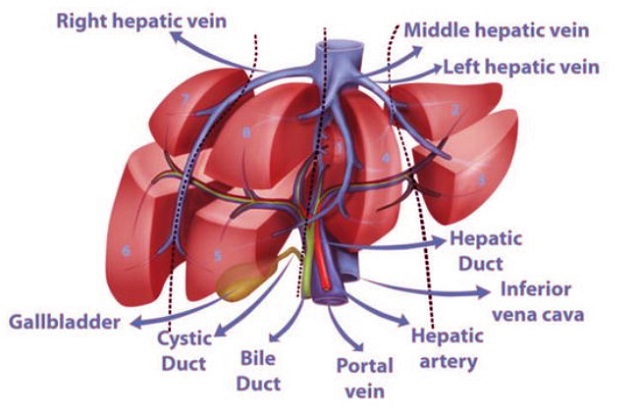
To understand the findings, it helps to know some basic liver anatomy. The portal area is a region in the liver where blood vessels, bile ducts, and nerves enter and exit. The periportal area surrounds this region and acts as a transition zone between blood supply and liver cells. Inflammation in these areas suggests immune activity close to vital liver structures.
Key Findings Explained Simply
The researchers found that 41.2% of people who had COVID-19 showed moderate portal inflammation, compared to only 14.3% in the control group. Periportal inflammation was also more common in post-COVID-19 patients (26.5% versus 7.1%). While these differences narrowly missed strict statistical thresholds, the pattern consistently pointed toward increased immune activity after COVID-19.
On a cellular level, liver tissue from post-COVID-19 patients contained more CD3-positive T lymphocytes, which are immune cells involved in inflammation, and fewer CD68-positive macrophages, cells usually linked to cleanup and repair. This shift suggests long-lasting immune system changes rather than ongoing infection.
Signs of Liver Repair
Interestingly, the study also found significantly more signs of liver regeneration in people who had COVID-19. These included enlarged liver cells, cells with two nuclei, and increased bile duct activity—all indicators that the liver had been
repairing itself after injury. Importantly, there was no evidence of serious scarring (fibrosis), cirrhosis, or blood clots in liver vessels.
What the Findings Mean
The results suggest that even months after recovery, COVID-19 may leave behind a quiet immune footprint in the liver. While not causing severe damage, the virus appears to trigger lingering inflammation and a need for tissue repair.
Conclusions
Overall, this study shows that a history of COVID-19 is linked to ongoing, low-grade inflammation in key regions of the liver along with clear signs of regeneration. Although no serious long-term liver damage was found, the immune changes observed suggest COVID-19 can have lasting effects beyond the lungs. These findings highlight the importance of continued monitoring and research into post-COVID health impacts.
The study findings were published in the peer reviewed journal: Viruses.
https://www.mdpi.com/1999-4915/18/1/68
For the latest COVID-19 news, keep on logging to Thailand
Medical News.
Read Also:
https://www.thailandmedical.news/articles/coronavirus
https://www.thailandmedical.news/articles/long-covid




 Share
Share
 Tweet
Tweet
 Share
Share