Nikhil Prasad Fact checked by:Thailand Medical News Team Mar 29, 2026 5 months, 4 days, 11 hours, 31 minutes ago
Medical News: A new scientific investigation has uncovered subtle but noteworthy changes in heart-related biomarkers following mRNA COVID-19 vaccination, even among healthy individuals. While the findings do not point to immediate danger, they are prompting deeper questions about how the body responds to these widely used vaccines at a microscopic level.
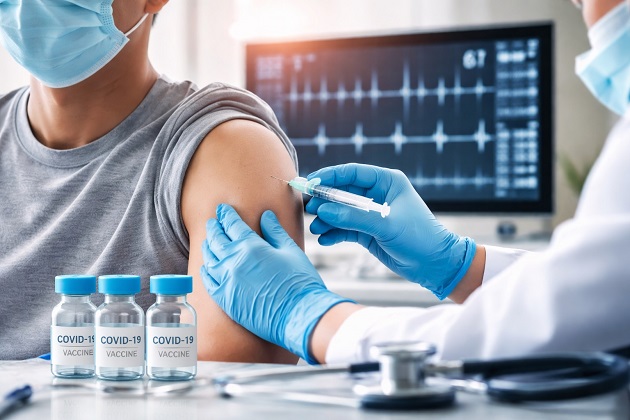 A study reveals temporary heart stress signals after mRNA vaccination without actual damage
Understanding What Researchers Looked For
A study reveals temporary heart stress signals after mRNA vaccination without actual damage
Understanding What Researchers Looked For
Scientists focused on specific blood markers that signal heart stress or damage. These included NT-proBNP, a substance released when the heart is under strain, and cardiac troponins, which typically rise when there is actual heart injury.
The study involved 83 healthy adult volunteers, primarily military personnel aged between 18 and 55, who received two doses of mRNA COVID-19 vaccines. Blood samples were collected multiple times before and after vaccination, allowing researchers to track even small biological changes over time.
The research team came from several respected institutions, including the Third Faculty of Medicine, Charles University; the Institute for Clinical and Experimental Medicine in Prague; Thomayer University Hospital; Bulovka University Hospital; Czech Technical University in Prague; and the Institute of Aviation Medicine.
A Temporary Spike in Heart Stress Marker
One of the most striking findings was a temporary increase in NT-proBNP levels, especially within the first two weeks after the second vaccine dose. On average, levels rose significantly compared to pre-vaccination measurements.
Nearly half of the participants experienced a rise of at least 1.5 times their normal baseline levels shortly after the second shot. Despite this, none of the participants reached levels typically associated with heart failure or serious cardiac conditions.
Importantly, these elevated levels did not persist. Within a few weeks, NT-proBNP values returned to normal, suggesting that the effect was short-lived.
No Evidence of Heart Damage
While NT-proBNP increased, the study found no corresponding rise in troponin levels, which are considered a more direct indicator of heart muscle injury. This distinction is critical.
In simple terms, the heart may have been under temporary stress, but there was no sign of actual damage.
Researchers also noted that none of the participants developed symptoms such as chest pain, shortness of breath, or swelling, which would indicate clinical heart problems.
Why Does This Happen
The researchers believe the explanation may lie in the body’s immune response. Vaccines are designed to trigger inflammation as part of building immunity. This immune activation can influence the cardiovascular system in subtle ways.
The study observed that inflammatory markers also increased briefly after vaccination, suggesting that the immune response might indirectly place temporary stress on the heart.
This
hailandmedical.news/">Medical News report highlights that such biological responses are not entirely unexpected and may occur even in the absence of disease.
Who Was Most Affected
Although the findings were not statistically strong enough to confirm clear risk factors, certain trends emerged. Higher NT-proBNP increases were seen more often in men, individuals without prior COVID-19 infection, and those without underlying health conditions.
There were also slight indications that the Moderna vaccine might be associated with higher increases compared to Pfizer-BioNTech, though the sample size was too small for firm conclusions.
What This Means Going Forward
The findings raise new questions about the COVID-19 mRNA vaccines. The study adds an important layer of understanding. It shows that even in healthy people, the body undergoes measurable cardiovascular changes after vaccination, albeit temporary and without clinical consequences.
Conclusion
This study provides valuable insight into how the human body reacts to mRNA COVID-19 vaccines at a deeper physiological level. The temporary rise in NT-proBNP suggests that the heart may experience short-lived stress following vaccination, particularly after the second dose. However, the absence of troponin elevation and clinical symptoms strongly indicates that this response does not translate into actual heart damage. These findings highlight the importance of continued monitoring and research, especially in populations with existing cardiovascular conditions or higher risk profiles.
The study findings were published in the peer reviewed journal: Vaccine.
https://www.sciencedirect.com/science/article/pii/S0264410X26003439
For the latest on the COVID-19 mRNA vaccines, keep on logging to Thailand
Medical News
Read Also:
https://www.thailandmedical.news/articles/vaccine-news




 Share
Share
 Tweet
Tweet
 Share
Share