Nikhil Prasad Fact checked by:Thailand Medical News Team Dec 17, 2025 9 months, 2 weeks, 4 days, 3 hours, 38 minutes ago
Medical News: Why Brain Cells Need Lysosomes
Lysosomes are like cellular recycling centers. They break down old proteins, damaged parts, and waste inside cells so the building blocks can be reused. In brain cells—called neurons—this function is even more crucial. Neurons are long-living cells that don’t get replaced easily, so they rely on their internal maintenance systems to stay healthy for decades. Lysosomes also help control cell signals, energy use, and protect the brain from toxic build-up.
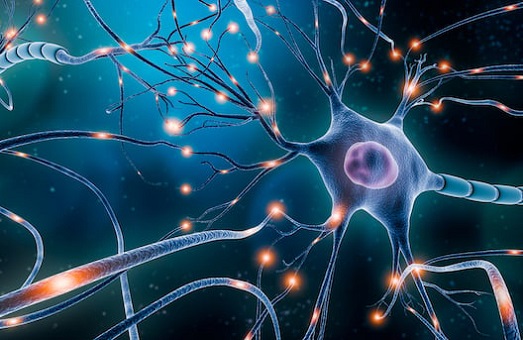 Researchers reveal that aging weakens brain cells’ ability to recycle waste, fueling cognitive decline
How Aging Weakens the Cleanup Crew
Researchers reveal that aging weakens brain cells’ ability to recycle waste, fueling cognitive decline
How Aging Weakens the Cleanup Crew
Aging slows down how well lysosomes work in neurons. This
Medical News report highlights that even in people without brain disease, neurons begin to lose lysosomal power with age. The study was led by researchers from the Department of Genetics at the University of Wisconsin-Madison. They discovered that aged neurons often have lysosomes that are less acidic, less active, and slower at breaking down waste. These sluggish lysosomes lead to a dangerous build-up of undigested material, including toxic protein clumps like lipofuscin and amyloid beta.
The Research Behind the Findings
Using both mouse and human cells, researchers found that older neurons showed clear signs of failing lysosomal function. In aging neurons, certain key enzymes became less active, and the lysosomes’ acidic environment—necessary for breaking down waste—was not well maintained. In particular, the researchers noticed that a protein called TFEB, which usually helps boost lysosomal activity, becomes less active with age. This means that neurons lose their ability to ramp up their cleaning power when needed.
The Dangerous Cycle of Damage
One alarming discovery is that weak lysosomes can leak their contents into the rest of the cell. This process, called lysosomal membrane permeabilization (LMP), releases harmful enzymes and metals like iron into the cell, causing more damage. It can also allow harmful protein clumps to escape into the brain, spreading toxic effects. This leakage worsens inflammation, contributes to diseases like Alzheimer’s and Parkinson’s, and damages nearby cells.
Could We Strengthen Aging Neurons
Excitingly, the research also points to possible solutions. Boosting lysosomal activity—either genetically or with certain drugs—helped reduce toxic buildup and restore neuron function in lab experiments. In one test, activating TFEB in older mouse brains improved memory and learning. This suggests that targeting lysosomes could help delay brain aging or reduce the risk of neurodegenerative diseases.
These findings underline that even without disease, our neurons quietly lose their ability to clean themselves as we age. This hidden decline might explain why age is the biggest risk factor for many brain disorders.
The study
findings were published in the peer reviewed journal: Cells.
https://www.mdpi.com/2073-4409/14/24/1976
For the latest on brain and neuron, keep on logging to Thailand
Medical News.
Read Also:
https://www.thailandmedical.news/articles/anti-aging




 Share
Share
 Tweet
Tweet
 Share
Share

































