Nikhil Prasad Fact checked by:Thailand Medical News Team Apr 07, 2026 4 months, 3 weeks, 4 days, 18 hours, 25 minutes ago
Medical News: A new scientific study is raising fresh concerns about a lesser-known component of the SARS-CoV-2 virus, suggesting it may quietly trigger long-term health effects even without the full virus present. Researchers have discovered that a viral protein called ORF8 could increase blood pressure and cause harmful oxidative stress in multiple organs - offering new clues into lingering symptoms seen in some COVID-19 patients.
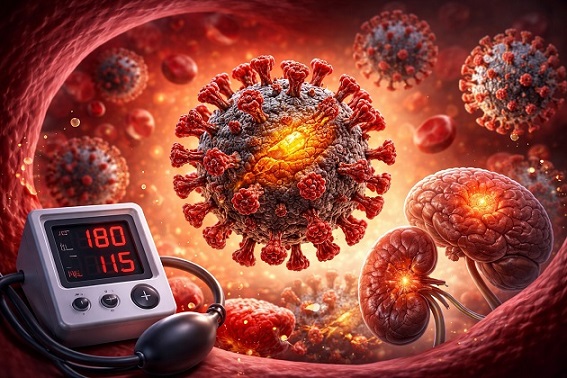 A hidden viral protein may silently drive blood pressure increases and organ stress after COVID-19
What Makes ORF8 So Concerning
A hidden viral protein may silently drive blood pressure increases and organ stress after COVID-19
What Makes ORF8 So Concerning
While most public attention has focused on the spike protein of SARS-CoV-2, scientists are increasingly investigating accessory proteins like ORF8. These proteins do not help the virus replicate directly but play important roles in how it interacts with the human body.
In this study, researchers from the Laboratorio Multidisciplinario en Ciencias Biomédicas, Escuela Superior de Medicina, Instituto Politécnico Nacional, Mexico, and the Laboratorio de Medicina de la Conservación, Escuela Superior de Medicina del Instituto Politécnico Nacional, Mexico, examined how ORF8 affects the body when introduced through the nose, mimicking natural infection pathways.
Their findings suggest that ORF8 may disrupt normal biological systems in ways that could contribute to long COVID symptoms.
Study Design and Key Observations
The research involved male BALB/c mice that were exposed to the ORF8 protein through intranasal administration. Scientists monitored the animals over two timeframes—short-term (2 weeks) and longer-term (8 weeks).
According to the study, blood pressure levels increased significantly in the longer-term group exposed to ORF8. Both systolic and diastolic pressures were elevated, indicating that this protein alone may influence cardiovascular function.
Interestingly, these changes occurred without the presence of the full virus, suggesting that even isolated viral components could have lasting physiological effects.
Oxidative Stress Across Multiple Organs
One of the most striking findings involved oxidative stress, a harmful condition caused by an imbalance between damaging molecules and the body’s defenses.
The study found that ORF8 exposure increased oxidative stress markers in critical organs such as the kidneys and brain. In particular, the prefrontal cortex showed reduced catalase activity - a key antioxidant enzyme - within just two weeks.
Additionally, levels of malondialdehyde, a marker of cellular damage, were significantly elevated in both the brain and kidneys during early stages. This indicates that ORF8 may trigger immediate tissue damage through oxidative mechanisms.
Over time, the body appeared to partially compensate, as some oxidative stress markers normalized after eight weeks. However, kidney-related antioxidant changes persisted, hinting at possible long-term damage.
Kidney and Brain May Be Most Vulnerable
>
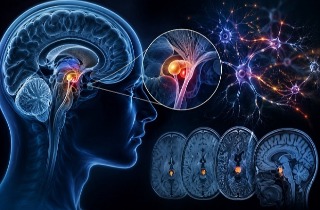
The kidneys showed a notable increase in total antioxidant capacity after prolonged exposure, which researchers interpret as a defensive response to ongoing stress. However, such compensation may not fully prevent injury. At the same time, early changes in the brain - especially in areas linked to thinking and memory - suggest a possible connection between ORF8 and cognitive symptoms reported in long COVID cases.
This
Medical News report highlights that even subtle biochemical disruptions could translate into real-world health problems over time.
Why Blood Pressure Is Affected
Scientists believe the mechanism may involve inflammation and oxidative damage affecting blood vessels. ORF8 is known to interfere with immune signaling and may indirectly disrupt the balance of hormones that regulate blood pressure.
This could lead to narrowing of blood vessels and increased resistance, ultimately raising blood pressure levels. Over time, such effects may contribute to cardiovascular risks.
Important Limitations to Consider
The study was conducted in mice, not humans, so results may not fully translate to clinical settings. Additionally, the ORF8 protein used lacked certain natural modifications found in real viral infections, which could influence its behavior.
Despite this, the findings provide strong evidence that ORF8 alone can alter biological systems in meaningful ways.
Conclusions
The study presents compelling evidence that the SARS-CoV-2 ORF8 protein is not just a passive viral component but an active driver of physiological disruption. It appears capable of increasing blood pressure, triggering oxidative stress, and affecting key organs such as the kidneys and brain. These effects may help explain some of the persistent symptoms seen in long COVID, particularly those involving cardiovascular and cognitive issues. While more human studies are needed, the findings emphasize the importance of looking beyond the spike protein to fully understand the virus’s long-term impact on health.
The study findings were published in the peer reviewed journal: Viruses.
https://www.mdpi.com/1999-4915/18/4/440
For the latest COVID-19 News, keep on logging to Thailand
Medical News.
Read Also:
https://www.thailandmedical.news/articles/coronavirus
https://www.thailandmedical.news/articles/long-covid




 Share
Share
 Tweet
Tweet
 Share
Share