Nikhil Prasad Fact checked by:Thailand Medical News Team Apr 01, 2026 5 months, 1 day, 14 hours, 10 minutes ago
Medical News: In a remarkable scientific breakthrough, researchers have discovered that nanoparticles derived from common ginger may offer powerful protection against some of the world’s most widespread viruses, including those linked to cancer, severe infections, and childhood illness.
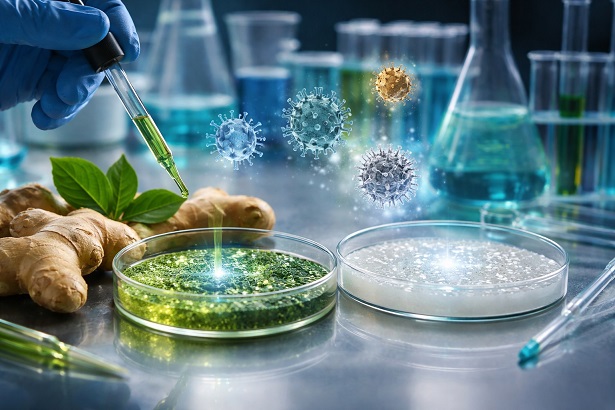 Natural ginger-derived nanoparticles may offer a safer and powerful new way to fight major viral infections
Scientists from Jazan University, Mansoura University, King Faisal University, Alnahda College, Umm Al-Qura University, King Saud University, New Mexico Environmental Department, and Al-Farahidi University collaborated on this cutting-edge study, exploring how plant-based nanotechnology could revolutionize antiviral treatments.
A Natural Ingredient with High-Tech Potential
The study focused on nanoparticles made from ginger extract, specifically silver nanoparticles (Ag-NPs) and titanium dioxide nanoparticles (TiO2-NPs). These tiny particles were produced using a “green synthesis” method, meaning no harmful chemicals were used. Instead, natural compounds found in ginger acted as both reducers and stabilizers.
This eco-friendly approach not only makes production safer but also enhances the biological activity of the nanoparticles. The researchers found that ginger’s natural compounds, such as flavonoids and phenols, play a crucial role in boosting antiviral effects.
Strong Activity Against Dangerous Viruses
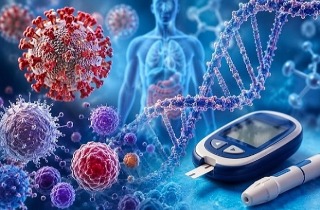
The nanoparticles were tested against three major viruses: human papillomavirus (HPV), cytomegalovirus (CMV), and rotavirus. These viruses are responsible for conditions ranging from cancer to severe infections in newborns and gastrointestinal illness in children.
The findings were striking. Silver nanoparticles showed strong antiviral activity, effectively stopping viral replication at relatively low concentrations. However, they also showed higher levels of toxicity to healthy cells.
Titanium dioxide nanoparticles, on the other hand, demonstrated a more balanced performance. While slightly less aggressive against viruses, they were significantly safer for human cells, making them more suitable for real-world medical use.
Key Scientific Findings Explained Simply
To understand effectiveness, scientists measured two important values. The IC50 indicates how much of a substance is needed to stop half of viral activity, while CC50 measures how much causes harm to cells.
Silver nanoparticles had lower IC50 values, meaning they were highly potent against viruses. However, their CC50 values were also lower, indicating higher toxicity. Titanium dioxide nanoparticles showed higher CC50 values and strong selectivity, meaning they targeted viruses effectively while sparing healthy cells.
This
Medical News report highlights that titanium dioxide nanoparticles achieved particularly high safety margins, especially against CMV and rotavirus, suggesting they could
be ideal for preventive treatments, especially in vulnerable populations like children.
How These Nanoparticles Work
The study revealed that these nanoparticles attack viruses in multiple ways. Silver nanoparticles can bind to viral surfaces, blocking their ability to enter cells. They also release ions that damage viral structures and genetic material.
Titanium dioxide nanoparticles work differently. They generate reactive oxygen species that break down viral components while maintaining minimal harm to host cells. This dual approach makes them especially promising for future antiviral therapies.
Future Applications and Real-World Impact
Researchers believe these findings could lead to new antiviral treatments, coatings for medical devices, or even protective surfaces that kill viruses on contact. The nanoparticles may also be used in nasal sprays or topical treatments to prevent infections.
Importantly, the use of ginger as a natural base makes this technology sustainable and potentially more affordable for large-scale production.
Conclusion
This study presents a powerful case for the future of plant-based nanotechnology in medicine. By combining the natural benefits of ginger with advanced nanoparticle engineering, scientists have developed a promising new tool against some of the most challenging viruses. Titanium dioxide nanoparticles stand out for their safety and effectiveness, while silver nanoparticles offer strong antiviral potency. Together, they represent a new generation of antiviral solutions that are not only effective but also environmentally friendly and scalable. Further research will be essential to move these findings from the laboratory to real-world clinical use, but the potential impact on global health is significant.
The study findings were published in the peer reviewed journal: Pharmaceuticals.
https://www.mdpi.com/1424-8247/19/4/556
For the latest news, keep on logging to Thailand
Medical News.
Read Also:
https://www.thailandmedical.news/articles/pharma-news




 Share
Share
 Tweet
Tweet
 Share
Share