Kansas Reports Recent Human Case of Deadly Bourbon Virus in the United States That Triggers Shock and Heart Failure
James Josh Fact checked by:TMN Jan 19, 2026 8 months, 2 weeks, 2 days, 7 hours, 52 minutes ago
Medical News: Deadly Tick Virus Triggers Shock and Heart Failure
A rare but devastating tick-borne infection has once again highlighted the hidden dangers lurking in wooded areas of the United States, after doctors documented a fatal case of Bourbon virus that progressed rapidly to heart failure, shock and death despite the most advanced life support measures available.
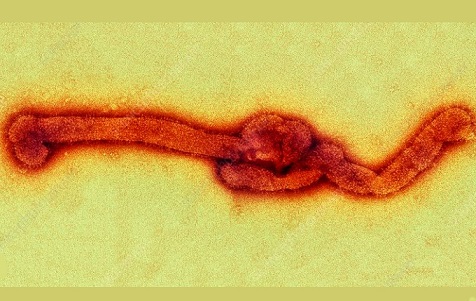 A rare tick-borne virus leads to catastrophic organ failure despite advanced life support
Image Credit: AMI IMAGES/Cynthia S. Goldsmith; Olga I. Kosoy/Science Photo Library
A Rare Virus with Deadly Potential
A rare tick-borne virus leads to catastrophic organ failure despite advanced life support
Image Credit: AMI IMAGES/Cynthia S. Goldsmith; Olga I. Kosoy/Science Photo Library
A Rare Virus with Deadly Potential
Bourbon virus was first identified in 2014 in Bourbon County, Kansas, and since then only a handful of human cases have been confirmed. This
Medical News report is based on a newly published case reported by doctors from the University of Kansas involving a 63-year-old man who had been previously stable with well controlled diabetes and other common chronic conditions. The virus is transmitted by the lone star tick, a species commonly found across parts of the Midwest and Southern United States (especially in Kansas, Oklahoma, Missouri, and New York).
Tick Exposure Followed by Rapid Decline
The patient had spent time clearing hunting grounds in Bourbon County, Kansas, and removed three ticks from his body several days before falling ill. He initially experienced vague symptoms including headache, muscle aches, poor appetite and dizziness. Within days, his condition deteriorated dramatically, with dangerously low blood pressure, kidney failure, severe acid buildup in the blood and failure of multiple organs.
Extreme Measures to Save a Life
Doctors at the University of Kansas Medical Center initiated aggressive treatment, including powerful medications to raise blood pressure, dialysis for kidney failure and mechanical ventilation. As his heart function rapidly collapsed, with pumping ability dropping to just five percent, he was placed on venoarterial extracorporeal membrane oxygenation, or ECMO, a form of artificial heart and lung support used only in the most critical cases.
Despite these extraordinary efforts, the patient continued to decline. Over the following days, he developed severe muscle breakdown, liver injury and widespread blood clotting problems. He also suffered catastrophic complications related to poor blood flow, including damage to all four limbs that would have required amputations if he had survived.
Complications And Final Diagnosis
Further complicating his condition, doctors identified a rare and aggressive fungal lung infection known as mucormycosis, likely triggered by immune suppression from critical illness and high dose steroid treatment. Specialized testing performed by the US Centers for Disease Control and Prevention eventually confirmed Bourbon virus infection. With no specific antiviral treatment available
and no meaningful recovery, the family chose to transition to comfort care, and the patient passed away peacefully after 21 days in intensive care.
Why This Case Matters
This case is particularly important because it challenges previous assumptions about Bourbon virus. Earlier cases often showed low white blood cell counts, but this patient developed extremely high levels instead, likely reflecting profound shock and tissue injury. The report also reinforces that Bourbon virus infection may be underdiagnosed, as mild or moderate cases may go unrecognized.
Conclusion
The findings underscore the serious and sometimes fatal nature of Bourbon virus infection, even in individuals without severe underlying illness. They highlight the urgent need for better surveillance, faster diagnostic testing and research into potential treatments. Public awareness of tick avoidance and early medical evaluation after tick exposure remains critical, as this emerging virus continues to pose a silent but deadly threat.
The study findings were published in the peer reviewed journal: Case Reports in Infectious Diseases.
https://onlinelibrary.wiley.com/doi/10.1155/crdi/4652171
For the latest on the Bourbon virus, keep on logging to Thailand
Medical News.
Read Also:
https://www.thailandmedical.news/articles/u-s--medical-news




 Share
Share
 Tweet
Tweet
 Share
Share

































