Nikhil Prasad Fact checked by:Thailand Medical News Team Dec 20, 2025 8 months, 1 week, 6 days, 22 hours, 38 minutes ago
Medical News: Long COVID continues to puzzle doctors and patients alike, especially when lingering symptoms affect the heart and nervous system. A new study has now revealed that people suffering from long COVID who experience dizziness or fainting when standing may have subtle but important changes in how their heart rhythm is controlled. These changes are not obvious during routine tests, making the condition harder to diagnose and understand.
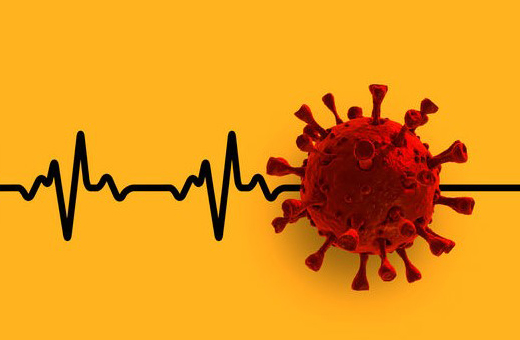 Long COVID may quietly alter heart rhythm control even when standard tests appear normal
Understanding Orthostatic Intolerance in Long COVID
Long COVID may quietly alter heart rhythm control even when standard tests appear normal
Understanding Orthostatic Intolerance in Long COVID
Orthostatic intolerance refers to symptoms such as dizziness, lightheadedness, near fainting, or fainting that occur when a person stands up from a sitting or lying position. Many long COVID patients report these troubling symptoms months or even years after their initial infection. According to this
Medical News report, scientists wanted to understand whether these symptoms were linked to ongoing problems in the autonomic nervous system, which controls heart rate and blood pressure automatically.
Who Conducted the Study and Where
The research was carried out by scientists from the Department of Cardiovascular Dysautonomia at the Instituto Nacional de Cardiología Ignacio Chávez in Mexico City. Additional contributions came from the Laboratory of Cardiovascular Dynamics within the Department of Molecular Biology at the same institute, as well as the Department of Outpatients Care at Instituto Nacional de Cardiología Ignacio Chávez.
How the Study Was Done
The researchers examined 60 adults aged between 18 and 60. Thirty-one participants had long COVID with symptoms of orthostatic intolerance, while others had recovered from COVID-19 without symptoms or had never been infected. Heart rate variability was measured using electrocardiograms while participants were lying down and again while they stood up. Heart rate variability reflects how well the heart responds to signals from the nervous system and is considered a key marker of cardiovascular health.
Key Findings
At rest, long COVID patients showed lower heart rate variability compared to healthy individuals. This means their hearts were less adaptable and showed reduced flexibility in responding to internal signals. Importantly, these changes suggest reduced calming signals from the parasympathetic nervous system, which normally helps the heart relax. However, when participants stood up, both long COVID patients and healthy controls showed similar heart responses. Blood pressure and heart rate adjusted normally, and none of the long COVID patients developed dangerous drops in blood pressure or abnormal rapid heartbeats.
Why These Findings Matter
These results are surprising because many long COVID patients feel unwell when standing, yet standard standing tests failed to reveal clear abnormalities. The study suggests that while hidden heart rhythm changes persist at rest, the body
may regain its ability to respond appropriately to physical stress like standing over time. The average time since infection in these patients was more than 18 months, indicating possible partial recovery of autonomic function.
Broader Implications for Long COVID Patients
The findings help explain why many long COVID sufferers struggle to get clear diagnoses despite persistent symptoms. Reduced heart rate variability may contribute to fatigue, brain fog, and dizziness even when routine heart tests appear normal. The study also highlights that repeated COVID infections increase the risk of long COVID and related nervous system issues.
Conclusions
In conclusion, this study shows that long COVID patients with orthostatic intolerance have reduced heart rate variability at rest, indicating lingering autonomic nervous system effects. However, their bodies still manage to respond normally when standing. These findings suggest partial recovery over time but also confirm that subtle heart rhythm disturbances may continue long after infection, helping explain ongoing symptoms in many long COVID patients.
The study findings were published in the peer reviewed journal: Biology.
https://www.mdpi.com/2079-7737/15/1/1
For the latest on COVID-19 or Long COVID, keep on logging to Thailand
Medical News.
Read Also:
https://www.thailandmedical.news/articles/long-covid
https://www.thailandmedical.news/articles/coronavirus




 Share
Share
 Tweet
Tweet
 Share
Share

































