Nikhil Prasad Fact checked by:Thailand Medical News Team Feb 03, 2026 6 months, 3 weeks, 6 days, 12 hours, 52 minutes ago
Medical News: A large new study from Spain is offering fresh hope that commonly used antihistamine medicines could play a meaningful role in reducing long COVID symptoms and dangerous blood clots after COVID-19 infection. The research focused on real world patient data and explored whether people already taking antihistamines had better long-term outcomes than those who were not.
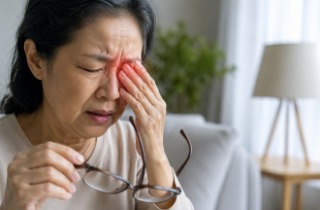
 Antihistamines commonly used for allergies may help reduce long COVID symptoms and dangerous blood
clots after COVID-19.
Why Long COVID and Blood Clots Matter
Long COVID refers to symptoms that continue for months after the initial infection, including fatigue, brain fog, breathing problems, and heart issues. Blood clots are another serious concern, as COVID-19 has been linked to strokes, heart attacks, and lung clots, especially in older adults. This
Medical News report highlights why researchers are urgently searching for simple and affordable ways to reduce these risks.
How The Study Was Conducted
Researchers analyzed anonymized health data from 192,651 people served by the Consorci Sanitari de Terrassa in the metropolitan area of Barcelona. The data covered March 2020 to March 2025 and included information on COVID-19 infections, vaccination status, long COVID diagnoses, blood clot events, age, gender, and long-term medication use. The team compared patients who were on chronic antihistamine treatment with those who were not.
Key Findings on Long COVID
Among people not taking antihistamines, long COVID became more common with each additional COVID-19 infection. In contrast, patients who were on long term antihistamines showed strikingly fewer cases. Notably, no long COVID cases were recorded in antihistamine users who had three documented COVID-19 infections. While some subgroups were small, the consistent pattern suggested a possible protective effect that deserves further investigation.
Strong Reduction in Blood Clot Events
The most robust finding involved blood clots. Between 2021 and 2024, clotting events increased steadily in the general population. However, people taking chronic antihistamines had far fewer clots. Only about 1.6 percent of antihistamine users experienced clots, compared to 3.3 percent of non-users with similar medical backgrounds. This difference remained significant even after adjusting for age, gender, vaccination, and other long-term treatments.
Why Antihistamines Might Help
Scientists believe antihistamines may reduce inflammation and block platelet activating factors that contribute to clot formation. Some antihistamines are already known to influence immune and vascular pathways, which could explain both the lower clot risk and the apparent reduction in long COVID symptoms.
Study Limitations and Caution
The researchers stressed that this was an observational study, not a randomized trial. Not all patients may have taken their medications consistently,
and some cases may have gone undiagnosed. Still, the size of the population and the consistency of the findings make the results hard to ignore.
Conclusions
The findings suggest that long term antihistamine use is linked to fewer blood clots and possibly a lower risk of long COVID after COVID-19 infection. While antihistamines are not a cure and should not be self-prescribed for this purpose, the results strongly support launching controlled clinical trials. If confirmed, these widely available medicines could offer a low cost and accessible way to reduce serious long term COVID-19 complications.
Research Institutions
The researchers were from multiple primary care centers and institutions under the Consorci Sanitari de Terrassa, the Hospital Universitari de Terrassa, and the Faculty of Medicine at the Universitat de Barcelona in Spain.
The study findings were published in the peer reviewed journal: Viruses.
https://www.mdpi.com/1999-4915/18/2/197
For the latest on Long COVID, keep on logging to Thailand
Medical News.
Read Also:
https://www.thailandmedical.news/articles/long-covid




 Share
Share
 Tweet
Tweet
 Share
Share