Nikhil Prasad Fact checked by:Thailand Medical News Team Jan 25, 2026 5 months, 4 weeks, 1 day, 17 hours, 12 minutes ago
Medical News: Scientists from multiple research institutions in South Korea and China have uncovered compelling new evidence showing that a traditional medicinal plant, Dahlia pinnata, may offer a safer and more targeted way to control harmful inflammation linked to many serious diseases. This
Medical News report highlights how the plant extract was able to sharply reduce a key inflammatory substance in human cells without broadly weakening the immune system.
 A traditional flowering plant demonstrates powerful and selective control over harmful inflammation
signals in human cells
Why Controlling Inflammation Matters
Inflammation is the body’s natural defense against infections and injury, but when it becomes excessive or uncontrolled, it can damage tissues and fuel chronic diseases. One major driver of damaging inflammation is a protein called tumor necrosis factor-alpha, commonly known as TNF-alpha. High levels of TNF-alpha are linked to rheumatoid arthritis, inflammatory bowel disease, psoriasis, severe infections, and even metabolic disorders like type 2 diabetes.
Current drugs that block TNF-alpha can be effective but often suppress the immune system too broadly, raising the risk of infections and other complications. Scientists have therefore been searching for alternatives that can selectively reduce TNF-alpha without shutting down the body’s natural defenses.
What Researchers Studied
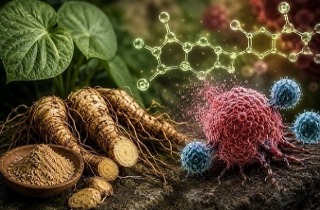
The research team came from Korea University, the Korea Research Institute of Bioscience and Biotechnology, and Nankai University in China. They tested extracts made from Dahlia pinnata, a flowering plant traditionally used for fever, coughs, and inflammation. The experiments were conducted using human immune cells called monocytes and lung epithelial cells, which are important players in inflammatory responses.
Key Findings Explained Simply
The researchers found that the Dahlia pinnata extract strongly lowered TNF-alpha levels in both resting cells and cells exposed to bacterial infection or bacterial toxins. Importantly, the extract did not significantly affect other important immune signaling molecules, meaning it did not cause widespread immune suppression. The cells also remained healthy, showing little to no toxicity.
When compared to dexamethasone, a commonly used steroid anti-inflammatory drug, the plant extract performed even better in some immune cells. In monocytes, dexamethasone failed to reduce TNF-alpha under short exposure conditions, while the plant extract worked quickly and effectively.
How the Plant Works Inside Cells
Further analysis showed that Dahlia pinnata works by calming a major inflammation control system inside cells known as the NF-kappa-B pathway. At the same time, it activated another signaling route called p38 MAPK, which appears to help restrain excessive inflammation through internal feedback mechanisms. This balanced effect may explain why the extract reduces harmful inflammation
without shutting down normal immune activity.
The scientists also separated the plant extract into smaller components and identified two specific fractions that were especially powerful at lowering TNF-alpha. These fractions worked at lower doses and showed reduced toxicity compared to the crude extract.
Conclusions and Future Implications
The findings suggest that Dahlia pinnata contains natural compounds capable of selectively controlling one of the most dangerous drivers of chronic inflammation. While the results are currently limited to laboratory cell studies, they provide strong scientific support for the plant’s traditional medicinal use. Further animal and human studies will be needed to confirm safety, effectiveness, and proper dosing. If successful, this plant could form the basis of new anti-inflammatory therapies that are both safer and more precise than existing treatments.
The study findings were published in the peer reviewed International Journal of Molecular Sciences.
https://www.mdpi.com/1422-0067/27/2/1122
For the latest on herbs and phytochemicals, keep on logging to Thailand
Medical News.
Read Also:
https://www.thailandmedical.news/articles/herbs-and-phytochemicals




 Share
Share
 Tweet
Tweet
 Share
Share