Nikhil Prasad Fact checked by:Thailand Medical News Team Apr 29, 2026 5 months, 4 days, 23 hours, 56 minutes ago
Medical News:
A new nutritional approach could change outcomes for critically ill patients
Acute kidney injury, often called AKI, is a serious condition that frequently affects patients in intensive care units and can lead to long-term kidney damage or even death. Now, a new scientific review is shedding light on a surprisingly simple yet powerful strategy that may help protect the kidneys—switching the focus from animal proteins to plant-based proteins.
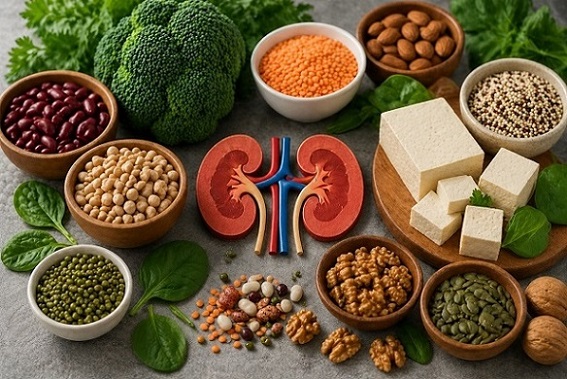 Plant-based proteins may help protect kidneys and improve recovery in critically ill patients
Researchers from the Department of Nephrology and the Department of Anesthesia and Intensive Care at Santa Chiara Hospital, Azienda Sanitaria Universitaria Integrata del Trentino (ASUIT), Italy, along with scientists from the Centre for Medical Sciences (CISMed) at the University of Trento, Italy, explored how different types of dietary proteins impact kidney health, especially during critical illness.
Why Kidney Injury Is So Dangerous
Acute kidney injury is not just a temporary problem. It disrupts the body’s ability to regulate fluids, electrolytes, and waste products. In severe cases, it can progress to chronic kidney disease, leaving lasting damage. According to the review, many critically ill patients experience a hypercatabolic state, meaning their bodies break down muscle and protein rapidly, leading to weakness, poor immunity, and delayed recovery.
This makes nutrition a crucial part of treatment. However, most current strategies focus only on how much protein patients need, not the type of protein they consume.
Plant Proteins Offer a Protective Edge
The research highlights that plant-based proteins may offer unique advantages over animal-derived proteins. Unlike meat-based proteins, plant proteins produce a lower acid load in the body. This matters because excess acid can strain the kidneys and worsen damage.
Additionally, plant proteins generate fewer harmful substances known as uremic toxins. These toxins, often produced during digestion of animal proteins, can trigger inflammation, oxidative stress, and further kidney injury.
Interestingly, plant proteins also appear to support a healthier gut microbiome. The gut and kidneys are closely connected, and beneficial gut bacteria can produce compounds that reduce inflammation and help protect kidney tissue.
Amino Acids and Their Role
Another key finding involves amino acids, the building blocks of protein. Not all amino acids affect the kidneys in the same way. Some, like methionine and certain aromatic amino acids, may contribute to oxidative stress and inflammation. Others, such as glycine and arginine, have protective effects and help maintain healthy blood flow and cellular balance.
Plant-based proteins tend to have a more favorable balance of these protective compounds. When combined properly—such as mixing legumes with grains—they can provide complete nutrition comparable to animal proteins.
Evidence from Clinical Observations
While most direct studies in acute kidney injury are still limited, existing data from chronic kidney disease patients strongly support plant-based diets. These diets have been associated with slower disease progression, reduced inflammation, and lower mortality rates.
The review also points out that plant-based nutrition may reduce levels of harmful compounds like trimethylamine N-oxide (TMAO), which is linked to both cardiovascular and kidney damage.
Importantly, as illustrated in the diagram on page 3 of the study, kidney injury is driven by multiple interconnected processes including oxidative stress, inflammation, and cellular damage. Plant-based nutrition appears to influence several of these pathways simultaneously, offering a broader protective effect.
This
Medical News report highlights a growing shift in medical thinking—moving beyond simply feeding patients enough protein to considering how the type of protein can influence recovery. Researchers emphasize that plant-based enteral nutrition formulas may improve tolerance, reduce complications, and support overall metabolic balance in critically ill patients.
Challenges and Future Research
Despite the promising findings, scientists caution that more targeted clinical trials are needed. Most current evidence comes from observational studies or research on chronic kidney disease rather than acute cases.
Future studies are expected to explore how personalized nutrition strategies, including plant-based protein blends, can improve recovery rates and prevent long-term kidney damage.
Conclusion
The findings suggest that plant-based proteins could play a transformative role in managing acute kidney injury. By reducing harmful toxins, lowering acid load, supporting gut health, and providing beneficial amino acids, these proteins create a more favorable environment for kidney recovery. While more clinical trials are needed to confirm these benefits in acute settings, the evidence so far is compelling. Shifting toward plant-based protein sources may not only improve survival but also reduce the risk of long-term complications, offering a simple yet powerful tool in modern critical care.
The study findings were published in the peer reviewed journal: Nutrients.
https://www.mdpi.com/2072-6643/18/9/1395
For the latest on preventing or treating Kidney damage, keep on logging to Thailand
Medical News.
Read Also:
https://www.thailandmedical.news/articles/nephrology-(kidneys)




 Share
Share
 Tweet
Tweet
 Share
Share

































