Nikhil Prasad Fact checked by:Thailand Medical News Team Jan 06, 2026 8 months, 4 weeks, 1 day, 5 hours, 4 minutes ago
Medical News: Ancient Herbal Remedy Meets Modern Science
Influenza, commonly known as the flu, continues to affect millions of people worldwide every year. With the virus constantly mutating and becoming resistant to existing drugs, scientists are urgently searching for new and effective treatments. Interestingly, answers may lie in ancient traditional medicine. This
Medical News report highlights a detailed scientific study that explored how phytochemicals from a well-known Chinese herb called Bai Shao or White Peony Root may help fight influenza viruses.
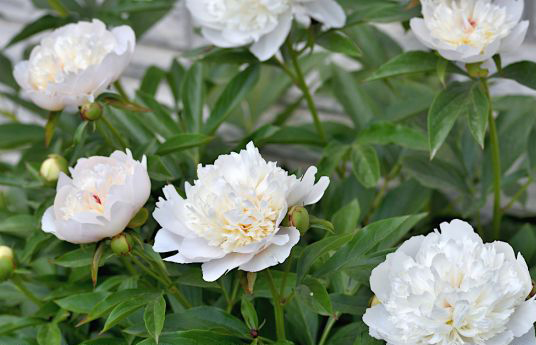 Ancient White Peony Root reveals modern science backed antiviral power against influenza
Traditional Medicine Background
Ancient White Peony Root reveals modern science backed antiviral power against influenza
Traditional Medicine Background
Bai Shao, scientifically known as Radix Paeoniae Alba, is the dried root of the plant Paeonia lactiflora. It has been used in traditional Chinese medicine for centuries to treat a condition known as Wen Bing or Warm Disease. Wen Bing closely resembles influenza, with symptoms such as fever, sore throat, cough, muscle weakness, and seasonal spread. Historically, Bai Shao was believed to cool the blood, clear heat, and remove toxins from the body.
The research was carried out by scientists from The Chinese University of Hong Kong-Shatin-China, The University of Hong Kong-Pok Fu Lam-China and the
The First Affiliated Hospital of Guangzhou Medical University-Guangdong-China.
What the Researchers Did
The scientists focused on testing extracts made from Bai Shao to see if they could stop the influenza A virus from multiplying. Using laboratory grown cells commonly used in flu research, they discovered that the water-based extract of Bai Shao was especially powerful. The team then isolated specific phytochemical compounds from the extract to identify which ones were responsible for the antiviral effect.
Key Compounds Discovered
Three phytochemicals were identified as active against the flu virus:
-Gallic acid
-Methyl gallate
-Pentagalloylglucose
All three compounds were shown to significantly reduce the ability of influenza viruses including H1N1, H3N2 and even the H5N1 virus to reproduce inside infected cells.
How These Compounds Work
Further testing revealed that these compounds interfere with a viral enzyme called neuraminidase. This enzyme is essential for the virus to spread from one infected cell to another. By blocking neuraminidase, the virus becomes trapped and unable to infect new cells. Advanced computer modeling and genetic techniques confirmed that gallic acid directly interacts with a key part of the neuraminidase protein, effectively shutting it down.
Why This Matters
Many existing flu drugs also target neuraminidase, but resistance to these medications is growing rapidly. The discovery that phytochemical compounds from Bai Shao can block the same viral process offers hope for developing safer and more effective alternatives. Importantly, t
his study provides strong scientific evidence supporting the traditional use of Bai Shao for flu like illnesses.
Study Conclusion
The findings clearly demonstrate that White Peony Root contains powerful phytochemicals capable of inhibiting influenza A virus replication. By targeting the viral neuraminidase enzyme, these compounds prevent the virus from spreading within the body. This research not only validates ancient medical practices but also opens the door to developing new plant based antiviral therapies that could help combat drug resistant influenza strains in the future.
The study findings were published in the peer reviewed Journal of Ethnopharmacology.
https://www.sciencedirect.com/science/article/abs/pii/S0378874119335287
For the latest on Influenza, keep on logging to Thailand
Medical News.
Read Also:
https://www.thailandmedical.news/articles/influenza-or-flu




 Share
Share
 Tweet
Tweet
 Share
Share

































