Nikhil Prasad Fact checked by:Thailand Medical News Team Jun 12, 2026 1 month, 3 weeks, 16 hours, 9 minutes ago
Medical News: A natural plant-derived compound called skimmianine may help protect vulnerable parts of the brain from inflammation and nerve fiber damage that occur after a stroke, according to a new experimental study. Researchers found that the phytochemical compound significantly reduced brain inflammation, protected critical brain cells, and improved movement and coordination in laboratory animals exposed to stroke-like injury.
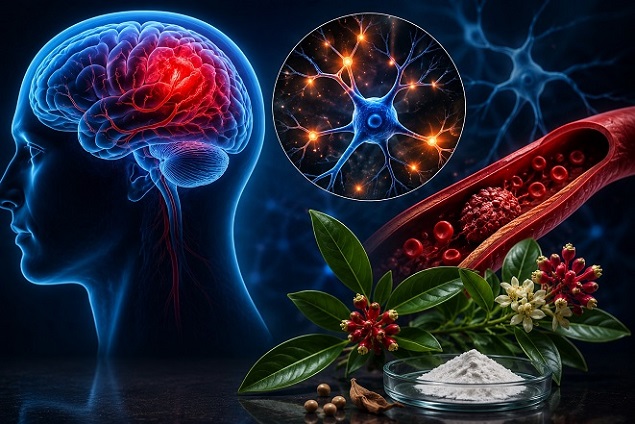 Natural plant compound skimmianine reduced inflammation, protected brain cells, and improved recovery after
experimental stroke injury
The study was conducted by researchers from Dicle University, Ankara Yıldırım Beyazıt University, Diyarbakır Gazi Yaşargil Training and Research Hospital of the Health Sciences University, Turan Çetin In-Vitro Fertilization Center, and Kocaeli University in Turkey.
Looking Beyond the Main Stroke Damage
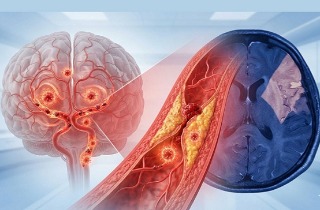
When a stroke occurs, blood flow to parts of the brain is temporarily blocked. Although restoring blood flow is essential, the sudden return of oxygen can trigger what scientists call ischemia-reperfusion injury. This process creates a surge of harmful molecules that promote inflammation, oxidative stress, and further damage to brain tissue.
Most stroke research focuses on areas directly affected by the loss of blood flow. However, scientists are increasingly discovering that regions far from the original injury can also suffer damage. One such region is the cerebellum, the part of the brain responsible for balance, movement, and coordination.
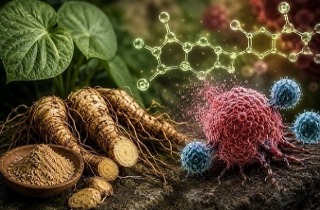
The researchers wanted to determine whether skimmianine, a naturally occurring alkaloid found in plants of the Rutaceae family, could help protect the cerebellum from these secondary effects.
Remarkable Reduction in Oxidative Stress
The study involved 32 female laboratory rats divided into four groups. One group underwent a simulated stroke procedure, while another received skimmianine treatment before the injury occurred.
The results showed that stroke-related injury dramatically increased oxidative stress throughout the body. Levels of total antioxidant status fell sharply, while harmful oxidant levels rose substantially.
Animals that received skimmianine before the stroke injury displayed a much healthier balance. Antioxidant levels increased significantly while markers of oxidative damage dropped. These findings suggest that skimmianine helped neutralize the damaging biochemical reactions triggered by interrupted blood flow and subsequent reperfusion.
Major Drop in Brain Inflammation
One of the most important findings involved inflammatory markers associated with brain injury.
The researchers observed dramatic increases in tumor necrosis factor-alpha (TNF-α), a powerful inflammatory molecule known to worsen stroke damage. Other markers linked to activated brain immune cells and injury to support cells also surged after the stroke event.
Skimmianine treatment significantly reduced all of these inflammatory markers. TNF-α level
s fell by nearly half compared to untreated animals, while indicators of microglial activation and astrocyte injury were also markedly lower.
This
Medical News report highlights how controlling inflammation may be just as important as restoring blood flow when attempting to limit long-term neurological damage after stroke.
Protection of Critical Brain Cells
Microscopic examination of cerebellar tissue revealed extensive injury in untreated animals.
Researchers found severe loss of Purkinje cells, which are among the most important nerve cells in the cerebellum. These specialized neurons play a crucial role in coordinating movement and maintaining balance.
Animals treated with skimmianine showed substantially less Purkinje cell loss. The cerebellar structure remained more intact, and signs of swelling, vascular congestion, and tissue disorganization were significantly reduced.
Quantitative analysis confirmed that skimmianine preserved both the number and size of Purkinje cells, suggesting meaningful protection against stroke-induced degeneration.
Improved Movement and Coordination
The biological benefits translated into measurable improvements in physical function.
Untreated animals experienced major difficulties with balance and movement. They took longer to cross narrow beams, slipped more frequently, and showed impaired coordination during walking tests.
By contrast, skimmianine-treated animals performed significantly better. Although they did not completely return to normal levels, their movement, balance, and sensorimotor coordination improved substantially compared to untreated subjects.
These findings indicate that the cellular protection observed under the microscope was accompanied by real-world functional benefits.
Myelin Damage Also Reduced
Another striking discovery involved protection of myelin, the insulating material that surrounds nerve fibers.
Following stroke injury, researchers observed severe thinning and disruption of myelin sheaths, along with extensive vacuole formation indicating structural deterioration. Such damage can interfere with nerve signal transmission and contribute to long-term neurological deficits.
Skimmianine significantly reduced these abnormalities. Myelin thickness improved, structural organization was better preserved, and the proportion of damaged nerve fibers was cut by more than half.
The findings suggest that the compound may help maintain communication pathways within the brain after ischemic injury.
Potential Molecular Mechanism Identified
Computer-based molecular analyses revealed that skimmianine may interact with several major inflammatory pathways, including TNF-α signaling networks.
The researchers identified 15 overlapping molecular targets linked to inflammation, immune activation, and cellular stress responses. Molecular docking studies further suggested that skimmianine can bind favorably to TNF-α, potentially helping to suppress harmful inflammatory activity.
While additional studies will be needed to confirm these mechanisms in humans, the findings provide important clues about how the compound exerts its protective effects.
Conclusion
The study provides compelling evidence that skimmianine may offer broad neuroprotective benefits following stroke-related injury. Beyond reducing oxidative stress, the compound was able to suppress inflammatory responses, protect vulnerable Purkinje neurons, preserve myelin integrity, and improve motor performance in an experimental model. Particularly noteworthy is the discovery that the compound protected the cerebellum, a brain region often overlooked in stroke research despite its critical role in movement and coordination. Although these findings are currently limited to animal studies and human clinical trials will be required before any therapeutic recommendations can be made, the results suggest that skimmianine could emerge as an important candidate for future stroke-related neuroprotective treatments aimed at limiting long-term neurological disability and improving recovery outcomes.
The study findings were published in the peer reviewed journal: Antioxidants.
https://www.mdpi.com/2076-3921/15/6/743
For the latest on herbs and phytochemicals that can help with stroke recovery, keep on logging to Thailand
Medical News.
Read Also:
https://www.thailandmedical.news/articles/herbs-and-phytochemicals




 Share
Share
 Tweet
Tweet
 Share
Share