Nikhil Prasad Fact checked by:Thailand Medical News Team Jun 05, 2026 1 month, 2 weeks, 4 days, 16 hours, 44 minutes ago
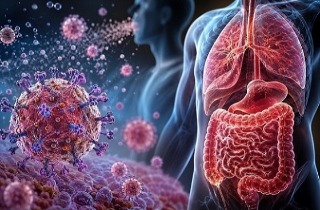
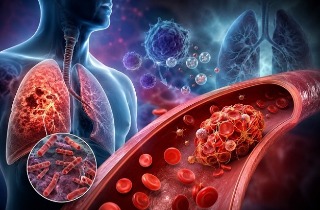
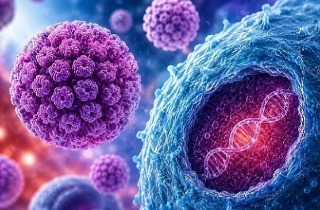
Medical News: Scientists have uncovered new evidence that a fragment of the SARS-CoV-2 spike protein can alter key protective genes in lung and intestinal cells in ways that differ from bacterial toxins, potentially helping explain why COVID-19 can trigger a wide range of respiratory, digestive, and inflammatory complications. The findings suggest that even isolated components of the virus may disrupt important cellular systems that normally help maintain tissue health and repair.
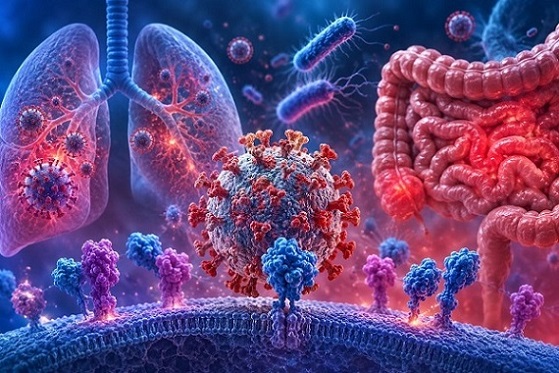 Researchers discovered that a SARS-CoV-2 spike protein fragment can disrupt key protective genes in
lung and intestinal cells, potentially contributing to COVID-19 complications
The study was conducted by researchers from the Medical Microbiology Department, Faculty of Medicine, Lokman Hekim University, Ankara, Türkiye; the Department of Biochemistry, Faculty of Pharmacy, Hacettepe University, Ankara, Türkiye; and the Department of Hematology, Faculty of Medicine, Hacettepe University, Ankara, Türkiye.
Comparing Viral and Bacterial Damage
COVID-19 and severe bacterial infections often share many clinical features, including excessive inflammation, tissue damage, blood clotting abnormalities, and organ dysfunction. To better understand why this happens, researchers compared the effects of a SARS-CoV-2 spike protein N-terminal domain fragment (S1-NTD) with lipopolysaccharide (LPS), a toxic molecule produced by Gram-negative bacteria such as Pseudomonas aeruginosa.
The team exposed human lung epithelial cells and colon epithelial cells to both substances and monitored how several important genes behaved over a period of 72 hours. These genes are part of the renin-angiotensin system, a network best known for regulating blood pressure but also essential for controlling inflammation, tissue repair, and barrier integrity in the lungs and intestines.
Viral Fragment Showed Strong Effects on Cell Health
Both the bacterial toxin and the spike protein fragment reduced cellular metabolic activity over time. However, the viral spike fragment appeared to act more quickly and more aggressively in several experiments.
In colon cells, the spike fragment caused an early decline in cellular activity that became more pronounced after prolonged exposure. Lung cells appeared especially sensitive to the viral fragment, showing progressive metabolic suppression even when exposed to relatively low concentrations.
Importantly, most cells remained alive throughout the experiments, meaning the researchers were observing changes in cellular behavior rather than widespread cell death. This allowed them to study how infection-related signals can reshape cellular functions before tissues are destroyed.
ACE2 Changes Could Help Explain COVID Complications
One of the most important findings involved ACE2, the famous receptor used by SARS-CoV-2 to enter human cells.
In lung cells, ACE2 levels generally fell after exposure to the viral fragment. Since ACE2 normally helps reduce inflammation and protect tissues from damage, its loss could potentially leave the lungs more vulnerable to
injury and prolonged inflammation.
The response in intestinal cells was different. Researchers observed a temporary increase in ACE2 levels before a later decline. This tissue-specific response may help explain why some COVID-19 patients develop gastrointestinal symptoms such as diarrhea and intestinal inflammation while others primarily experience respiratory disease.
Evidence of Lung-Gut Differences
The study also revealed striking differences between lung and intestinal tissues. Genes known as ANPEP, EGFR, and IGF2R reacted differently depending on whether cells were exposed to the viral fragment or the bacterial toxin.
In lung cells, the spike fragment eventually increased ANPEP and IGF2R activity while suppressing EGFR during key stages of exposure. In contrast, bacterial LPS tended to stimulate EGFR in intestinal cells, a response often associated with tissue repair and regeneration.
These findings indicate that viral and bacterial infections may damage tissues through different molecular pathways, even when they produce similar symptoms.
This
Medical News report highlights that the body's response to infection is far more complex than simply activating inflammation. Different pathogens appear capable of selectively reprogramming cellular repair systems, potentially influencing disease severity and recovery outcomes.
Alternative Pathways May Be Involved
Another intriguing aspect of the study is that researchers used only the N-terminal domain of the spike protein rather than the entire spike protein containing the receptor-binding domain typically associated with viral entry.
The results suggest that this lesser-studied region of the spike protein may independently trigger important biological changes. Scientists noted that alternative receptors such as AXL could be involved, potentially activating inflammatory signaling pathways even without direct ACE2-mediated viral entry.
This finding could help explain why different SARS-CoV-2 variants continue to cause diverse symptoms and why some effects of infection persist long after the virus is cleared.
Conclusions
The study provides compelling evidence that a fragment of the SARS-CoV-2 spike protein can significantly alter genes responsible for regulating inflammation, tissue repair, and barrier integrity in both lung and intestinal cells. While bacterial toxins also affected these pathways, the patterns of gene regulation were markedly different, indicating that viral and bacterial infections use distinct biological strategies to disrupt cellular health. The findings suggest that changes involving ACE2, ANPEP, EGFR, and IGF2R may contribute to respiratory injury, gastrointestinal symptoms, persistent inflammation, and susceptibility to secondary infections seen in COVID-19 patients. Researchers believe these molecular pathways may eventually become important therapeutic targets for reducing lung and gut complications associated with both viral and bacterial diseases.
The study findings were published in the peer reviewed journal: Pathogens.
https://www.mdpi.com/2076-0817/15/6/593
For the latest COVID-19 news, keep on logging to Thailand
Medical News.
Read Also:
https://www.thailandmedical.news/articles/coronavirus
https://www.thailandmedical.news/articles/long-covid




 Share
Share
 Tweet
Tweet
 Share
Share