Nikhil Prasad Fact checked by:Thailand Medical News Team Mar 12, 2026 4 months, 3 weeks, 1 day, 21 hours, 43 minutes ago
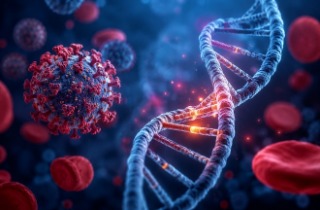
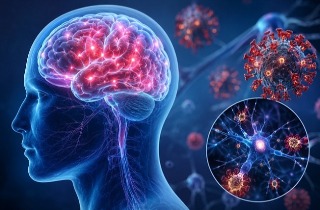
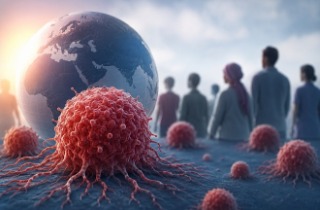
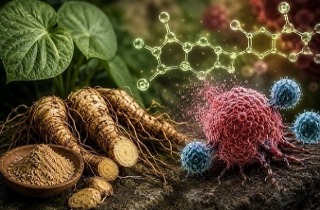
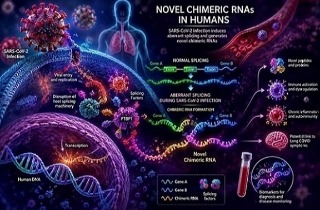
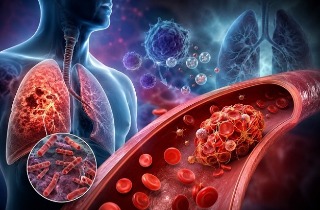
Medical News: Researchers are increasingly examining how COVID-19 affects the body beyond the initial infection. A new scientific review suggests that while the SARS-CoV-2 virus does not directly cause cancer, it can disturb the immune system in ways that may temporarily create conditions that allow existing tumors to grow or spread more easily.
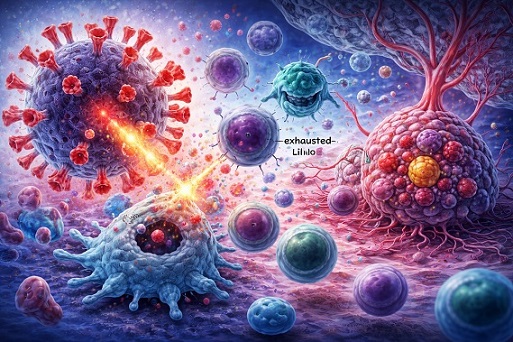 Scientists warn that severe COVID-19 can disrupt immune defenses and temporarily
activate biological pathways linked to tumor growth.
How COVID-19 Disrupts the Immune System
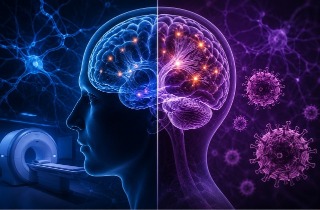
Scientists from the Institute of Microbiology and Virology at Riga Stradins University in Riga, Latvia examined how COVID-19 infection affects immune responses and how these changes may interact with cancer-related biological pathways.
The researchers found that SARS-CoV-2 can trigger a powerful immune reaction in some people. Normally, when viruses enter the body, immune cells release protective molecules called interferons that help stop viral replication. However, in severe COVID-19 cases, this early response is often delayed or weakened.
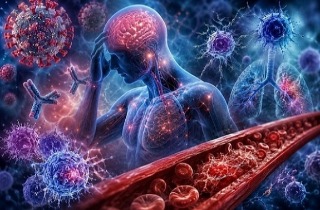
When that happens, another powerful inflammatory pathway known as NF-kB signaling becomes highly active. This leads to the release of large amounts of inflammatory molecules such as IL-6, TNF-alpha and IL-1 beta. The excessive immune response—often described as a cytokine storm—can damage tissues and disturb normal immune regulation.
From Acute Infection to Long-Term Immune Imbalance
According to the researchers, the immune disruption caused by COVID-19 does not always disappear immediately after recovery. In some individuals, low-level inflammation can persist for months.
This lingering immune imbalance has been observed in people with long COVID. Studies have shown elevated inflammatory markers and altered immune cell populations long after the virus has cleared. For example, some patients experience reduced numbers of naïve immune cells and increased levels of exhausted T-cells—immune cells that have lost some of their ability to fight infections or abnormal cells.
This
Medical News report highlights that such immune exhaustion may reduce the body’s ability to detect and eliminate abnormal cells, including potential cancer cells.
Viral Proteins That Activate Cancer-Related Pathways
The study also explains that certain proteins produced by SARS-CoV-2 can interact with cellular signaling networks inside human cells.
For instance, the spike protein can activate immune receptors that trigger inflammation through NF-kB and MAPK pathways. These same pathways are known to play roles in cell growth, inflammation and survival—processes that are also involved in cancer development.
Another viral component, called the membrane protein, has been shown in laboratory studies to stimulate signaling pathways that influence cellular migration and tissue remodeling. These
changes do not directly create cancer but may strengthen biological pathways that tumors already use to grow.
Effects on Tumor Environments
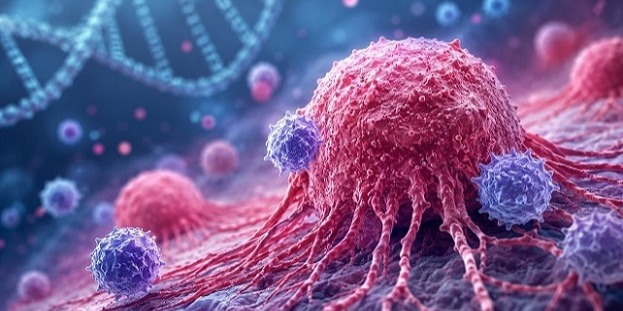
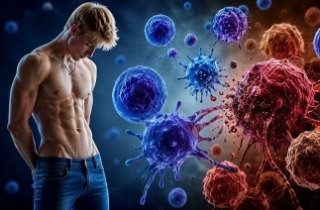
The researchers also reviewed evidence showing that COVID-19-related inflammation may alter the tumor microenvironment—the complex network of immune cells, blood vessels and signaling molecules surrounding tumors.
Persistent inflammation may encourage the production of molecules that help tumors avoid immune detection. It may also stimulate processes such as angiogenesis, where tumors develop new blood vessels to support growth.
In animal models, lung inflammation caused by SARS-CoV-2 infection has even been shown to awaken dormant cancer cells and trigger metastatic growth, though this effect appears to depend heavily on individual immune conditions.
Conclusion
Overall, the researchers stress that SARS-CoV-2 is not a cancer-causing virus. Instead, it should be viewed as a temporary immune stressor that can disrupt inflammatory and immune pathways already involved in tumor biology. Severe infections and prolonged inflammation may create conditions that temporarily weaken immune surveillance or enhance tumor-supportive signals in vulnerable individuals. Continued long-term studies are still needed to understand how post-COVID immune changes may influence cancer outcomes over time.
The study findings were published in the peer reviewed journal: Vaccines.
https://www.mdpi.com/2076-393X/14/3/255
For the latest COVID-19 News, keep on logging to Thailand
Medical News.
Read Also:
https://www.thailandmedical.news/articles/coronavirus
https://www.thailandmedical.news/articles/long-covid




 Share
Share
 Tweet
Tweet
 Share
Share