COVID-19 Infections Involving the SARS-CoV-2 BA.3.2 Variant are Increasing in South Korea
Nikhil Prasad Fact checked by:Thailand Medical News Team Apr 21, 2026 5 months, 1 week, 6 days, 5 hours, 35 minutes ago
Medical News: A newly emerging SARS-CoV-2 variant known as BA.3.2 is rapidly gaining attention among global health authorities as it fuels a fresh wave of COVID-19 infections in South Korea and shows signs of spreading internationally. Nicknamed the “cicada” variant due to its unusually long asymptomatic phase, BA.3.2 is raising concerns for its ability to silently transmit before symptoms become apparent, complicating containment efforts.
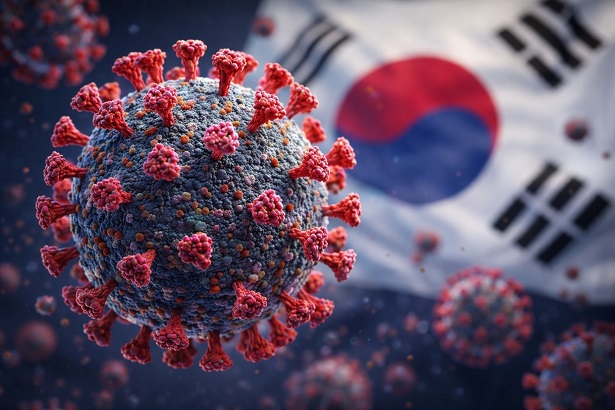 Silent “cicada” COVID-19 variant spreads globally with stealth transmission advantage
Silent Spread Raises Global Concern
Silent “cicada” COVID-19 variant spreads globally with stealth transmission advantage
Silent Spread Raises Global Concern
The BA.3.2 variant earned its nickname from its resemblance to cicada nymphs, which remain hidden underground for extended periods before emerging. Similarly, infected individuals may carry and spread the virus without noticeable symptoms for longer durations than previously observed variants. This unique transmission pattern increases the risk of undetected community spread, especially in densely populated regions.
According to recent surveillance data covered in this Medical News report, the U.S. Centers for Disease Control and Prevention has confirmed BA.3.2 infections across at least 33 countries, including South Korea, Japan, and the United States. Wastewater monitoring in the United States had already detected the variant in 25 states as early as February, suggesting widespread but initially unnoticed circulation.
Rapid Rise in South Korea
Health authorities in South Korea have reported a sharp increase in the proportion of BA.3.2 cases. The variant accounted for just 3.3 percent of infections in January, but surged to 12.2 percent in February and further escalated to 23.1 percent in March. This rapid rise indicates a strong transmission advantage compared to other circulating variants.
Initial detection of BA.3.2 in South Korea dates back to samples collected between January 19 and 25, suggesting that the variant had already begun spreading before being formally identified. The steady increase in its prevalence has coincided with a noticeable uptick in COVID-19 cases, raising concerns about a potential new wave.
Mutation Profile and Immune Evasion
Scientists are closely examining the mutation profile of BA.3.2, particularly changes in its spike protein. Preliminary findings from U.S. health authorities indicate that these mutations may reduce the effectiveness of immunity gained from prior infections or vaccinations. This could lead to higher reinfection rates and potentially diminish the protective effects of existing vaccines.
Experts in virology have noted that BA.3.2 appears to have evolved significantly at a time when other variants were reaching evolutionary limits. This suggests that the virus continues to adapt in ways that enhance its survival and transmission.
Global Monitoring Intensifies
The World Health Organization has classified BA.3.2 as a variant under monitoring, signaling the need for close observation without yet designating it as a variant of concern. The variant was first identified in South Africa in November
2024, followed by sporadic outbreaks in Europe, though it did not initially trigger widespread global transmission.
Public health experts emphasize that the combination of delayed symptom onset, potential immune escape, and increasing prevalence makes BA.3.2 a variant that warrants heightened vigilance. Governments and health agencies are urged to strengthen genomic surveillance, testing strategies, and vaccination campaigns to mitigate its impact.
The continued evolution of SARS-CoV-2 underscores the unpredictable nature of the pandemic, and BA.3.2 serves as a reminder that new variants can still emerge with characteristics that challenge existing control measures. Strengthening global cooperation, maintaining robust surveillance systems, and ensuring rapid data sharing will be essential in managing the risks posed by this variant while preventing future surges.
References:
https://koreajoongangdaily.joins.com/news/2026-04-16/national/environment/Covid19-cicada-variant-shows-signs-of-spreading-globally-including-in-Korea/2570994
https://dportal.kdca.go.kr/pot/index.do
https://www.cdc.gov/mmwr/volumes/75/wr/mm7510a1.htm
https://x.com/xz_keg/status/2046040969120747691
For the latest COVID-19 news, keep on logging to Thailand
Medical News.
Read Also:
https://www.thailandmedical.news/articles/coronavirus




 Share
Share
 Tweet
Tweet
 Share
Share

































