Nikhil Prasad Fact checked by:Thailand Medical News Team Jun 27, 2026 2 months, 5 days, 13 hours, 6 minutes ago
Medical News:
New study reveals diabetes, smoking and female sex dramatically increase mental health risks after COVID-19
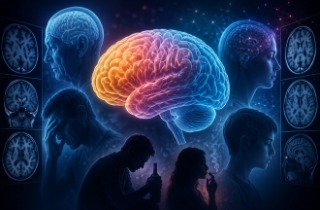
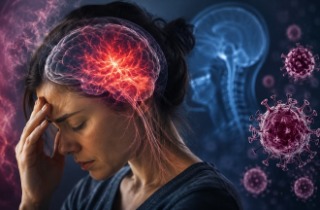
Millions of people who recover from COVID-19 believe the worst is behind them. However, new research suggests that for many individuals, the virus leaves behind invisible psychological effects that may persist for months. Researchers have found that anxiety and depression are surprisingly common among people suffering from post-COVID-19 syndrome, with certain groups facing a dramatically higher risk.
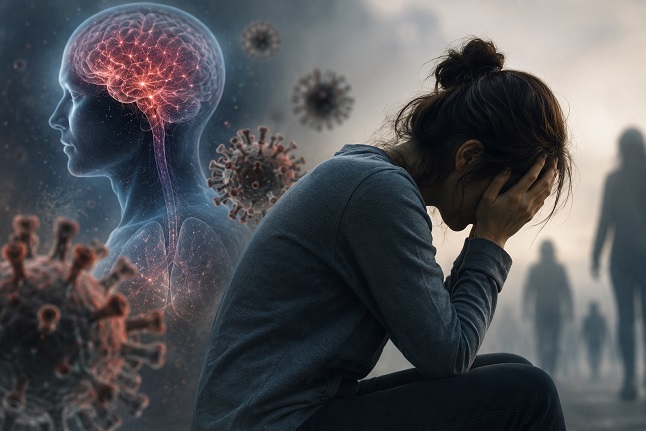 New research finds that anxiety and depression are common after COVID-19, with diabetes and smoking sharply increasing
the risk
The study was conducted by researchers from the Department of Pediatric Gastroenterology and Metabolic Diseases and the Department of Bromatology at Poznan University of Medical Sciences, the Complex of Healthcare Institutions in Czarnków, and the Department of Mathematical and Statistical Methods at Poznan University of Life Sciences, all in Poland.
One in three to four patients experienced significant mental health symptoms
The research involved 200 adults aged 18 to 80 who had post-COVID-19 syndrome, meaning their symptoms continued for more than 12 weeks after their initial coronavirus infection. Most participants were evaluated about five months after recovering from the acute illness.
Using several internationally recognized mental health assessments, the researchers discovered that 41.5% of participants had anxiety symptoms while 39.5% showed signs of depression. Another screening test identified generalized anxiety disorder in 36.5% of patients, while nearly half displayed depressive symptoms on the Beck Depression Inventory. Fatigue was also widespread, affecting about 45% of participants and further reducing their quality of life.
Certain medical conditions greatly increased the danger
The findings showed that not everyone faced the same level of risk. Diabetes emerged as one of the strongest predictors of developing anxiety and depression after COVID-19. Participants with diabetes had approximately three times higher odds of anxiety and as much as five to six times greater odds of depression, depending on the assessment used.
Smoking was another major risk factor. Smokers with post-COVID-19 syndrome were several times more likely to experience anxiety and depressive disorders than non-smokers. Women were also consistently more likely than men to develop anxiety and depression following COVID-19.
Patients with pre-existing psychiatric disorders faced an even greater risk, suggesting that COVID-19 may worsen underlying mental health vulnerabilities rather than simply triggering temporary emotional distress.
Why these problems may develop
Scientists believe post-COVID mental health problems may arise from several biological changes triggered by the infection. These include prolonged inflammation, immune system abnormalities, blood clotting disturbances, and changes in the gut-brain connection. Although these mechanisms were not directly examined in the current study, they may hel
p explain why some individuals continue experiencing psychological symptoms months after the virus has cleared.
This
Medical News report highlights that these symptoms are not simply reactions to the stress of living through the pandemic. Instead, the findings suggest that persistent biological effects of SARS-CoV-2 infection may play an important role in causing anxiety and depression in susceptible individuals.
The highest-risk patients may need early psychological screening
One of the study's most concerning findings was the estimated probability of developing mental health disorders in patients with multiple risk factors. Women who smoked and also had diabetes showed an estimated probability exceeding 90% for developing depression or anxiety in some predictive models. Even individuals with diabetes alone faced substantially elevated risks compared to those without chronic illnesses.
The researchers believe these findings support routine psychological screening for patients recovering from post-COVID-19 syndrome, especially those with diabetes, smoking history, previous psychiatric illness, or multiple medical conditions. Early identification could allow healthcare providers to offer counseling, psychological support, and appropriate treatment before symptoms become severe.
Conclusion
The study adds growing evidence that post-COVID-19 syndrome affects far more than the lungs or physical health. A significant proportion of survivors continue to struggle with anxiety, depression and disabling fatigue months after infection, particularly those with diabetes, smokers, women and individuals with previous mental health conditions. These findings emphasize that long COVID should be viewed as a condition requiring comprehensive medical and psychological care. Identifying high-risk patients early and providing timely mental health screening and intervention could significantly improve recovery and quality of life for thousands of people living with persistent post-COVID complications.
The study findings were published in the peer reviewed journal: Medicina.
https://www.mdpi.com/1648-9144/62/7/1234
For the latest on Long COVID, keep on logging to Thailand
Medical News.
Read Also:
https://www.thailandmedical.news/articles/long-covid
https://www.thailandmedical.news/articles/mental-health




 Share
Share
 Tweet
Tweet
 Share
Share