Nikhil Prasad Fact checked by:Thailand Medical News Team Dec 08, 2025 7 months, 3 weeks, 5 days, 19 hours, 23 minutes ago
Medical News: Fat Molecules in Blood May Predict Nerve Sensation Loss in Seniors
A new study has revealed that specific types of fat molecules in the blood, known as sphingolipids, could predict the future risk of nerve damage in older adults—especially those with diabetes. Researchers from Kaiser Permanente of Georgia, the University of Washington, University of Pittsburgh, Beth Israel Deaconess Medical Center, and the New York Academy of Medicine worked together to explore this potential warning sign for peripheral neuropathy, a condition where people lose sensation in their feet and legs.
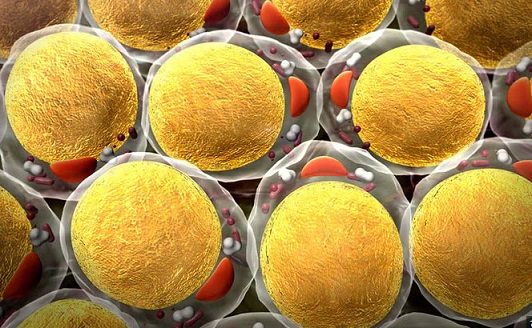 Sphingolipids in the blood may predict future nerve sensation loss in older adults
This
Medical News report is based on a long-term study involving 4612 participants aged 65 and older, part of the Cardiovascular Health Study. Scientists analyzed blood samples for 11 different ceramide and sphingomyelin molecules and followed participants for over a decade to assess changes in their ability to feel vibration or light pressure on their feet.
Sphingolipids and Their Surprising Role
Sphingolipids are fats that help build cell membranes and are involved in regulating inflammation and stress. Some of them—like SM-16 and Cer-16—come from palmitic acid, a common saturated fat found in many foods. The researchers discovered that higher levels of SM-16 and Cer-16 were linked to a greater risk of losing vibration sensation in the legs. On the other hand, higher levels of another sphingolipid, SM-24, appeared to protect against such sensory decline.
The most striking finding came when researchers looked at individuals with diabetes. For people who developed diabetes during the study, high levels of SM-14 were linked to a fivefold increase in the risk of losing light touch sensation. For those with pre-existing diabetes, elevated Cer-18 was tied to more than double the risk.
Testing and Results Explained
Participants had their foot sensation tested at two points: once using a vibrating tuning fork and another time using a thin filament to detect light touch. These tests were conducted several years after the original blood samples were taken. Researchers then used statistical models to find links between blood sphingolipid levels and later nerve sensation loss. Adjustments were made for factors like inflammation, kidney function, and diabetes status.
Why This Study Matters
Peripheral neuropathy can cause pain, falls, ulcers, and infections, especially in older adults. While often associated with diabetes, it can also occur in people without it. This research suggests that monitoring certain fat molecules in the blood could serve as an early warning system for nerve damage. It also points to inflammation and metabolic dysfunction as possible culprits behind nerve injury.
The Path Forward
The study’s findings suggest a potential for blood-based biomarkers to help identify people at risk of developing nerve problems before sympto
ms appear. However, more research is needed to confirm these findings and understand how lifestyle or dietary changes might affect sphingolipid levels and neuropathy risk.
The study findings were published in the peer reviewed journal: Biomedicines
https://www.mdpi.com/2227-9059/13/12/2995
For the latest on Nerve Damage, keep on logging to Thailand
Medical News.
Read Also:
https://www.thailandmedical.news/articles/health-news




 Share
Share
 Tweet
Tweet
 Share
Share