Nikhil Prasad Fact checked by:Thailand Medical News Team Apr 18, 2026 5 months, 2 weeks, 2 days, 2 hours, 48 minutes ago
Medical News: A major new scientific review is raising fresh concerns that everyday environmental exposures—combined with hidden genetic weaknesses—may be quietly increasing the risk of prostate cancer in men across the world. The findings point to a far more complex picture of the disease than previously understood, with pollution, diet, and even workplace hazards playing a significant role.
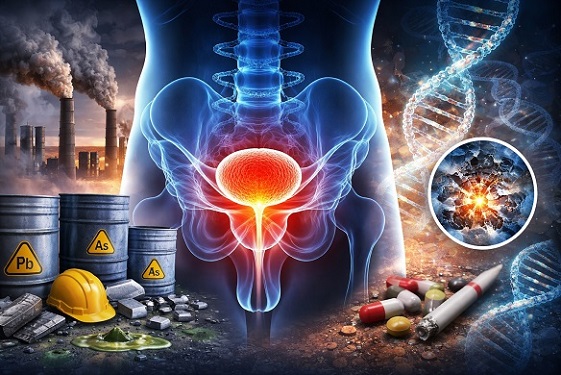 Environmental toxins and genetic vulnerabilities may combine to drive prostate cancer risk
A Growing Global Health Threat
Environmental toxins and genetic vulnerabilities may combine to drive prostate cancer risk
A Growing Global Health Threat
Prostate cancer is now one of the most commonly diagnosed cancers in men, particularly those over the age of 50. While early stages often show no symptoms, advanced disease can lead to serious complications such as difficulty urinating, bone pain, and life-threatening spread to other organs.
Researchers from leading institutions—including Nicolaus Copernicus University in Toruń (Poland), University of Zielona Góra (Poland), Kazimierz Wielki University in Bydgoszcz (Poland), Adam Mickiewicz University in Poznań (Poland), Pomeranian University in Słupsk (Poland), and University of Prešov (Slovakia)—conducted an extensive analysis of existing studies to better understand what may be driving the rise in cases.
Their conclusion is striking: environmental factors may be just as important as age and genetics in determining who develops the disease.
How Everyday Exposure May Be Putting Men at Risk
One of the most concerning revelations is the role of toxic metals and environmental pollutants. These harmful substances can enter the body in multiple ways—through the air we breathe, the water we drink, and even the food we eat.
For example, cadmium, a toxic metal found in cigarette smoke and industrial emissions, has been repeatedly linked to cancer development. Workers in battery manufacturing or metal processing industries may face prolonged exposure, increasing their long-term risk. Similarly, lead exposure—common in older buildings, contaminated soil, or certain occupations—has been associated with genetic damage and possible cancer links.
Arsenic, often found in contaminated groundwater in some regions, has also been flagged as a potential carcinogen. Long-term exposure through drinking water or food can lead to cellular damage and chronic inflammation. Even mercury, commonly associated with certain seafood and industrial pollution, may disrupt DNA repair mechanisms and contribute to disease progression.
The Body’s Defense System Under Attack
Under normal conditions, the human body has a built-in defense system to neutralize harmful substances. Antioxidant enzymes act like microscopic “clean-up crews,” removing dangerous molecules before they can damage cells.
However, the study found that in men with prostate cancer, this defense system is often weakened. Levels of oxidative stress—essentially cellular “rusting”—are significantly higher. This leads to damage in DNA, proteins, and fats within the body.
<
;br />
For instance, a process called lipid peroxidation, where fats are damaged by free radicals, was found to be elevated in prostate cancer patients. This type of damage can disrupt cell membranes and trigger abnormal cell growth, a key step in cancer development.
Why Some Men Are More Vulnerable Than Others
A critical part of the research focused on genetic polymorphisms—small variations in genes that affect how the body processes toxins. These differences can determine whether a person efficiently detoxifies harmful chemicals or allows them to accumulate.
This
Medical News report highlights that certain gene variants, especially those involved in detoxification pathways like glutathione S-transferases, may significantly increase vulnerability. For example, two individuals exposed to the same level of pollution may have very different outcomes depending on their genetic makeup.
Men with weaker detoxification genes may struggle to eliminate toxins, allowing them to linger in the body and cause long-term damage. Over time, this can lead to mutations, impaired DNA repair, and eventually cancer.
Diet, Lifestyle, and Hidden Risks
Beyond pollution, lifestyle factors also play a crucial role. Smoking introduces a mix of toxic chemicals directly into the bloodstream, many of which are known carcinogens. Alcohol consumption, particularly in excess, may further weaken the body’s ability to detoxify harmful substances.
Diet is another important factor. High-fat diets and processed foods may increase inflammation, while excessive intake of certain minerals—such as zinc—has been linked in some studies to higher prostate cancer risk. On the other hand, deficiencies in protective nutrients like selenium may reduce the body’s ability to defend against oxidative damage.
Urban living may also contribute to increased exposure. Residents of heavily industrialized cities often encounter higher levels of air pollution, including fine particles and chemical contaminants that can accumulate in the body over time.
A Dangerous Combination of Factors
What makes prostate cancer particularly challenging is the way these risk factors interact. Environmental toxins can trigger oxidative stress, genetic weaknesses can reduce the body’s ability to respond, and lifestyle habits can further amplify the damage.
For example, a man who smokes, works in a polluted environment, and carries a genetic variation affecting detoxification may face a significantly higher risk than someone without these combined factors. This multi-layered interaction helps explain why the disease develops in some individuals but not others.
Conclusion
This comprehensive review underscores that prostate cancer is not caused by a single trigger but by a complex interplay of environmental exposures, genetic susceptibility, and biological imbalances. Toxic metals, pollution, and lifestyle factors can silently damage the body over time, especially in individuals whose genetic defenses are compromised. Understanding these interactions is crucial for developing better prevention strategies, improving early detection, and guiding more personalized treatments in the future. Public health efforts aimed at reducing environmental exposure and promoting healthier lifestyles may ultimately play a key role in lowering the global burden of this increasingly common disease.
The study findings were published in the peer reviewed International Journal of Molecular Sciences.
https://www.mdpi.com/1422-0067/27/8/3569
For the latest research on prostate cancer, keep on logging to Thailand
Medical News.
Read Also:
https://www.thailandmedical.news/articles/cancer




 Share
Share
 Tweet
Tweet
 Share
Share

































