Study Finds That 60 Percent of COVID-19 Patients Have Elevated Blood Glucose Levels
Nikhil Prasad Fact checked by:Thailand Medical News Team Nov 26, 2024 1 year, 9 months, 6 days, 15 hours, 1 minute ago
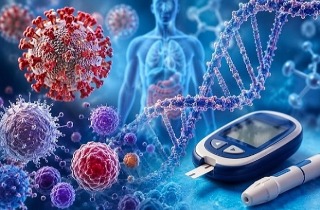
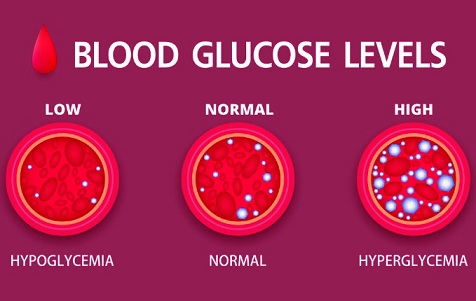
Medical News: Researchers from Wadi Alshatti University and the University of Tripoli, Libya, explored how COVID-19 impacts blood glucose levels, aiming to uncover biochemical factors associated with glucose elevation. The study involved 100 patients confirmed to have COVID-19 through PCR testing. Participants were categorized based on blood glucose levels - 60% exhibited elevated levels, while 40% had normal readings.
 Study Finds That 60 Percent of COVID-19 Patients Have Elevated Blood Glucose Levels
This
Medical News report dives into their findings, revealing how the virus might trigger or worsen glucose abnormalities, and discusses broader implications for understanding and managing COVID-related health risks.
Key Findings
Elevated Glucose and Its Correlations
The study revealed that 60% of COVID-19 patients experienced high blood glucose levels. These individuals also showed significantly higher concentrations of cortisol, triglycerides, cholesterol, C-reactive protein (CRP), and liver enzyme activities. Insulin levels, however, were lower in patients with elevated glucose. Statistical analysis confirmed strong correlations between elevated glucose and biochemical markers like cortisol and CRP.
Insulin Resistance and Pancreatic Function
Insulin resistance was prevalent among those with normal glucose levels, signaling a pre-diabetic state. In contrast, those with high glucose levels exhibited reduced insulin concentrations, suggesting beta-cell dysfunction in the pancreas. The HOMA-IR model further identified significant differences in insulin sensitivity and beta-cell function between the two groups.
Mechanisms Behind the Glucose Surge
-Hormonal and Biochemical Triggers
Cortisol, a stress hormone, was notably higher in hyperglycemic patients. Elevated cortisol levels, whether due to natural stress responses or treatments like corticosteroids, are known to suppress insulin production and increase glucose levels. Similarly, elevated CRP levels suggest that inflammation plays a crucial role, potentially contributing to insulin resistance.
-Liver and Lipid Involvement
Higher levels of liver enzymes such as GOT and GPT indicated liver inflammation in hyperglycemic patients. This inflammation might exacerbate glucose dysregulation. Increased cholesterol and triglycerides were also observed, potentially reflecting altered lipid metabolism linked to COVID-19 and glucose abnormalities.
-The Role of Obesity
Obesity, a common comorbidity among COVID-19 patients, complicates glucose metabolism and was highlighted as a contributing factor. The pandemic’s restrictions, leading to reduced physical activity and poor dietary habits, further exacerbated these risks.
Implications of the Findings
These findings shed light on
why COVID-19 might induce new-onset diabetes or worsen existing glucose-related disorders. The destruction of pancreatic beta cells by the virus could explain the observed decrease in insulin production among hyperglycemic patients. Moreover, the systemic inflammation and stress responses triggered by COVID-19 amplify the risk of metabolic disturbances.
Broader Impact
This study underlines the critical need for monitoring blood glucose levels in COVID-19 patients, regardless of prior diabetes status. The results suggest that elevated glucose is not merely a consequence of diabetes but a potential complication directly linked to the virus.
Conclusion
COVID-19 poses unique challenges to glucose regulation, with significant implications for patient care. The virus appears to disrupt normal pancreatic function, elevate stress hormones, and trigger systemic inflammation, creating a “perfect storm” for glucose abnormalities.
This research emphasizes the importance of integrated care for COVID-19 patients, focusing on early detection and management of glucose-related issues. Future studies are essential to further elucidate the mechanisms and to develop targeted therapies. Understanding these pathways could reduce complications and improve outcomes for patients with or without pre-existing metabolic disorders.
The study findings were published on a preprint server and are currently being peer reviewed.
https://www.medrxiv.org/content/10.1101/2024.11.15.24317345v1
For the latest COVID-19 News, keep on logging to Thailand
Medical News.
Read Also:
https://www.thailandmedical.news/news/covid-19-causes-insulin-resistance-in-non-diabetic-individuals
https://www.thailandmedical.news/news/breaking-news-brazilian-study-shockingly-finds-that-sars-cov-2-directly-infects-liver-cells-or-hepatocytes-to-cause-hyperglycemia




 Share
Share
 Tweet
Tweet
 Share
Share