Nikhil Prasad Fact checked by:Thailand Medical News Team Dec 06, 2025 9 months, 4 weeks, 19 hours, 8 minutes ago
Medical News: A Growing Concern for Aging Populations
A new scientific investigation has revealed that elderly individuals living in long term care homes may face unexpected biological changes that quietly raise their risk of chronic inflammation. Conducted by researchers from the Federal University of Mato Grosso, the Federal University of Rondonópolis, Araguaia University Campus, and São Paulo State University UNESP, the study compared institutionalized elderly people with older adults living at home and uncovered striking immune and hormonal differences. These findings form the basis of this
Medical News report and highlight how the living environment itself can influence health in ways not always visible to families or caregivers.
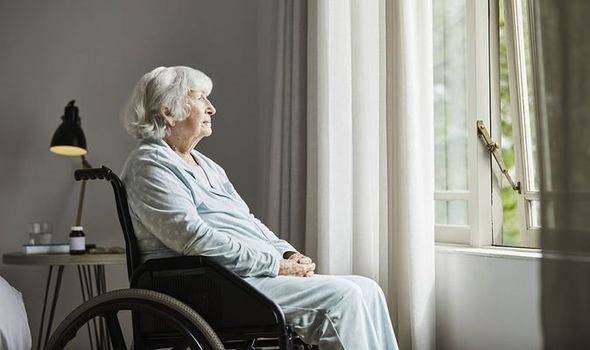 New research shows elderly care home environments can disrupt hormones and immunity, increasing inflammation risks
How Living Conditions Shape the Immune System
New research shows elderly care home environments can disrupt hormones and immunity, increasing inflammation risks
How Living Conditions Shape the Immune System
Although both groups of elderly adults had similar ages, body weights, glucose levels, and rates of conditions such as hypertension, the study found sharp contrasts in their immune markers. Institutionalized individuals had significantly lower levels of IL-2, IL-4, IL-17, and TNF-α—key cytokines involved in healthy immune activation. At the same time, two major inflammation-associated cytokines, IL-6 and IFN-γ, were found at much higher levels. These patterns closely align with “inflammaging,” a chronic low grade inflammatory state that accelerates frailty and disease risk in older adults. Charts presented in the study (pages 6–8) visually show these steep differences, with institutionalized residents consistently clustering in the high IL-6 and high IFN-γ ranges.
Hormonal Imbalances Add Another Layer of Risk
Just as striking were the hormonal findings. Institutionalized elderly individuals had much higher cortisol and melatonin levels than those living with family. While cortisol is known as the stress hormone, melatonin typically declines with age. Their simultaneous elevation suggests internal stress responses mixed with circadian rhythm disruption, potentially caused by limited sunlight exposure, irregular sleep patterns, or reduced social interaction—all common in long term care settings. Correlation graphs on pages 8–10 of the study show how rising cortisol in institutionalized individuals is linked to drops in important cytokines such as IL-2 and IL-6, further weakening immune balance.
What the Findings Mean
Taken together, the results suggest that care home environments may unintentionally promote biological conditions that accelerate inflammation while weakening parts of the adaptive immune system. This imbalance is not due to differences in underlying health or lifestyle factors but appears linked to environmental stress, social isolation, and disrupted daily rhythms. More than forty words are necessary to emphasize that these findings call attention to the hidden physiological burdens faced by institutionalized elderly people. Improving light exposure, enhancing social engagemen
t, and stabilizing sleep patterns may help reduce harmful inflammatory responses and strengthen healthy aging in care facilities.
The study findings were published in the peer reviewed journal: Brain Sciences.
https://www.mdpi.com/2076-3425/15/12/1310
For the latest on Elderly Care, keep on logging to Thailand
Medical News.
Read Also:
https://www.thailandmedical.news/articles/anti-aging




 Share
Share
 Tweet
Tweet
 Share
Share

































