Nikhil Prasad Fact checked by:Thailand Medical News Team Apr 01, 2026 5 months, 1 day, 18 hours, 21 minutes ago
Medical News: A growing body of scientific evidence is shining a spotlight on a simple dietary fiber – inulin - as a powerful protector of gut health. Found naturally in foods like chicory root, garlic, and onions, this plant-based compound is now being studied for its ability to strengthen the intestinal barrier and potentially reduce inflammation linked to many chronic diseases.
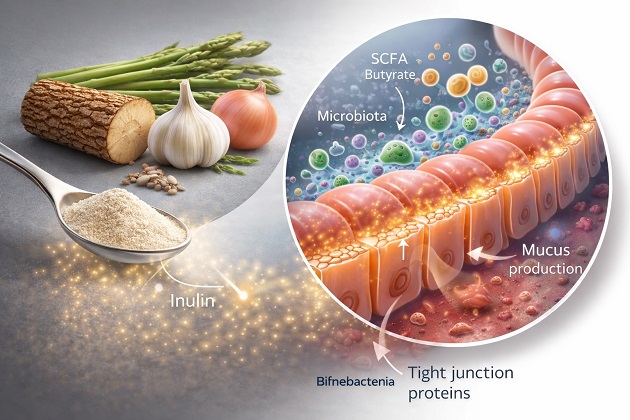 Natural fiber inulin may help repair gut lining and reduce inflammation
What Is the Gut Barrier and Why It Matters
Natural fiber inulin may help repair gut lining and reduce inflammation
What Is the Gut Barrier and Why It Matters
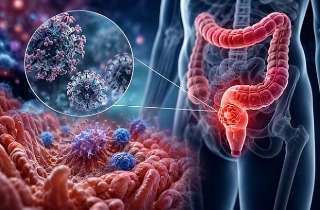
The human gut is lined with a thin layer of cells that acts like a security filter. It allows nutrients and water to pass into the body while blocking harmful toxins and microbes. When this barrier becomes weak or “leaky,” unwanted substances can enter the bloodstream, triggering inflammation and contributing to conditions such as obesity, diabetes, and inflammatory bowel disease.
According to the review, maintaining the integrity of this barrier is essential for overall health. The gut lining is held together by structures known as tight junction proteins, which act like seals between cells. When these seals break down, permeability increases, allowing harmful substances to pass through more easily.
How Inulin Strengthens the Gut
Inulin works in several fascinating ways. First, it acts as a prebiotic, meaning it feeds beneficial gut bacteria. When these bacteria ferment inulin, they produce short-chain fatty acids like butyrate. This compound plays a crucial role in strengthening the gut lining and providing energy to intestinal cells.
The research shows that inulin can:
-Boost the production of beneficial bacteria such as Bifidobacterium
-Increase mucus production, forming a protective layer in the gut
-Enhance tight junction proteins like occludin and claudin
-Reduce harmful inflammation signals
This
Medical News report indicates that inulin’s benefits are not limited to gut bacteria alone. Laboratory studies show that it can directly protect intestinal cells, even in the absence of microbes, by stabilizing the cellular barrier and reducing damage caused by toxins.
Evidence from Laboratory and Animal Studies
Scientists from multiple institutions - including Universidad Autónoma Metropolitana Unidad Xochimilco (Mexico), Instituto Politécnico Nacional (Mexico), and associated biological sciences programs - reviewed extensive experimental data to understand how inulin works.
In lab-based cell studies, inulin was found to:
-Reduce damage caused by inflammatory toxins like lipopolysaccharides
-Improve barrier integrity measured through electrical resistance tests
-Prevent disruption of tight junction proteins
Animal studi
es provided even stronger evidence. In mice fed high-fat diets, inulin reduced markers of gut leakage and inflammation. It also improved the expression of protective proteins and lowered harmful bacterial toxins in the bloodstream.
Interestingly, the benefits depended on dosage and timing. Moderate and sustained intake produced the best results, while very high doses or short-term use sometimes showed limited or even negative effects.
Not Always a One-Size-Fits-All Solution
Despite its promise, inulin is not universally beneficial in all situations. In cases of severe gut imbalance or active inflammation, such as certain infections or chemically induced colitis, inulin sometimes worsened symptoms. This suggests that the condition of the gut microbiome plays a key role in determining whether inulin helps or harms.
Researchers emphasize that individual responses may vary depending on diet, health status, and existing gut bacteria.
Potential Benefits Beyond the Gut
Beyond improving gut integrity, inulin may also influence broader health outcomes. Studies indicate it can:
-Improve metabolic health in obesity and diabetes
-Reduce systemic inflammation
-Support immune balance
-Enhance intestinal repair mechanisms
These findings highlight the potential of inulin as a simple dietary strategy with wide-ranging health effects.
Conclusion
Inulin emerges as a highly promising natural compound capable of strengthening the intestinal barrier, reducing inflammation, and supporting beneficial gut bacteria. However, its effectiveness depends on dosage, duration, and the individual’s gut condition. While not a cure-all, it offers a practical and accessible approach to improving gut health when used appropriately and consistently.
The study findings were published in the peer reviewed journal: Biomedicines
https://www.mdpi.com/2227-9059/14/4/791
For the latest on inulin, keep on logging to Thailand
Medical News.
Read Also:
https://www.thailandmedical.news/articles/gastroenterology
https://www.thailandmedical.news/articles/diets-and-nutrition




 Share
Share
 Tweet
Tweet
 Share
Share