Nikhil Prasad Fact checked by:Thailand Medical News Team Dec 18, 2025 8 months, 2 weeks, 1 day, 12 hours, 20 minutes ago
Medical News: Stanford Researchers Uncover Potential Root Cause of Chronic Fatigue Syndrome
Scientists from the Stanford Genome Technology Center and Department of Biochemistry at Stanford University have proposed a new explanation for the debilitating symptoms of Myalgic Encephalomyelitis/Chronic Fatigue Syndrome (ME/CFS). In a groundbreaking paper, they suggest that a breakdown in the brain’s waste-clearance system—called the glymphatic system—could be a major contributor to the disorder.
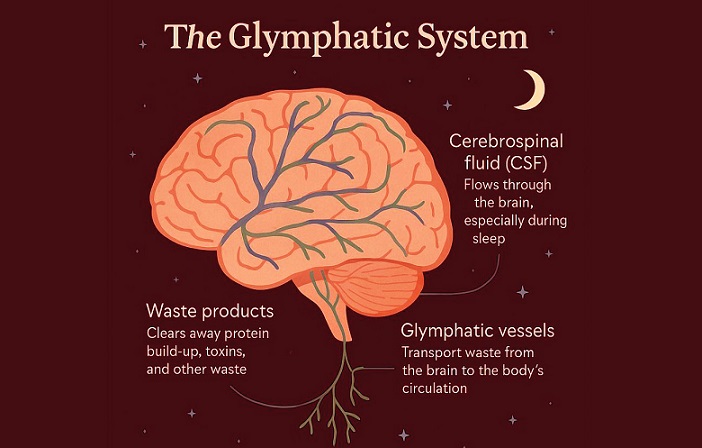 Researchers link brain’s waste-clearance failure to chronic fatigue symptoms in ME/CFS
ME/CFS affects millions globally, with symptoms like extreme fatigue, brain fog, unrefreshing sleep, and post-exertional malaise. Despite being recognized by the World Health Organization as a neurological condition, diagnosis remains challenging and most patients remain undiagnosed or misdiagnosed. This
Medical News report highlights new findings that could change how we view and treat ME/CFS.
What Is the Glymphatic System and Why It Matters
The glymphatic system functions like the brain’s cleaning service. It removes toxic waste products—such as lactate, glutamate, and amyloid proteins—especially during sleep. This system relies heavily on specialized water channels called AQP4, located in support cells known as astrocytes. These channels help circulate cerebrospinal fluid (CSF) and interstitial fluid (ISF) to flush out waste.
When this system malfunctions, harmful substances accumulate in the brain. Such dysfunction has already been linked to Alzheimer’s disease. The Stanford team believes it may also play a central role in ME/CFS, which is now viewed as a neuroimmune condition with overlapping symptoms seen in fibromyalgia and Long COVID.
How Glymphatic Dysfunction Connects to ME/CFS Symptoms
The researchers outline several lines of evidence linking glymphatic system dysfunction (GD) to ME/CFS:
-Post-Exertional Malaise (PEM): Often called a “crash,” this hallmark symptom of ME/CFS may be caused by waste buildup after exertion, which a failing glymphatic system cannot clear efficiently.
-Sleep Disturbances: The glymphatic system is most active during deep sleep. Disrupted sleep, which is common in ME/CFS, reduces brain waste clearance and creates a vicious cycle.
-Inflammation and Brain Fog: When waste builds up, it leads to oxidative stress, inflammation, and cytokine release, all of which contribute to brain fog and other cognitive impairments.
-Mitochondrial Dysfunction: Toxic buildup can damage energy-producing mitochondria, further exacerbating fatigue.
-Viral Infections and Autoimmune Triggers: Viruses like Epstein–Barr and herpesviruses, often implicated in ME/CFS, can
disrupt glymphatic function and displace AQP4 channels. The immune system may even begin attacking these channels with autoantibodies.
-Blood-Brain Barrier (BBB) and Circulation Issues: Problems with blood flow and BBB integrity—both seen in ME/CFS—further reduce glymphatic efficiency and allow harmful substances to enter the brain unchecked.
Hope for New Treatments by Targeting the Glymphatic System
The study suggests that improving glymphatic flow could offer a new path to treating ME/CFS. Techniques like vagus nerve stimulation, electroacupuncture, and even light therapy may enhance glymphatic activity. Certain drugs, including mirtazapine and ketamine, have shown promise in boosting AQP4 function and reducing neuroinflammation.
The Stanford researchers emphasize that therapies focusing on sleep quality, brain circulation, and fluid dynamics could greatly improve outcomes for ME/CFS patients. By understanding and potentially repairing this overlooked waste-clearing system, we may finally move closer to effective treatments—and even a cure.
The study findings were published in the peer-reviewed: International Journal of Molecular Sciences.
https://www.mdpi.com/1422-0067/26/23/11524
For the latest on chronic fatigue syndrome, keep on logging to Thailand
Medical News.
Read Also:
https://www.thailandmedical.news/news/covid-19-sleep-problems-may-be-caused-by-damaged-brain-waste-system
https://www.thailandmedical.news/news/study-reveals-alarming-connection-between-disruption-of-brain-waste-clearance-and-long-covid-symptoms
https://www.thailandmedical.news/news/the-neurobiological-link-between-sleep-glymphatic-dysfunction-and-neurodegeneration




 Share
Share
 Tweet
Tweet
 Share
Share

































