Nikhil Prasad Fact checked by:Thailand Medical News Team Mar 10, 2026 6 months, 3 weeks, 4 days, 4 hours, 10 minutes ago
Health News: A new clinical study has revealed that simply eating almonds every day may help reduce harmful inflammation in adults living with obesity. The research suggests that a small dietary change - without dieting or weight loss - could influence biological processes linked to chronic disease.
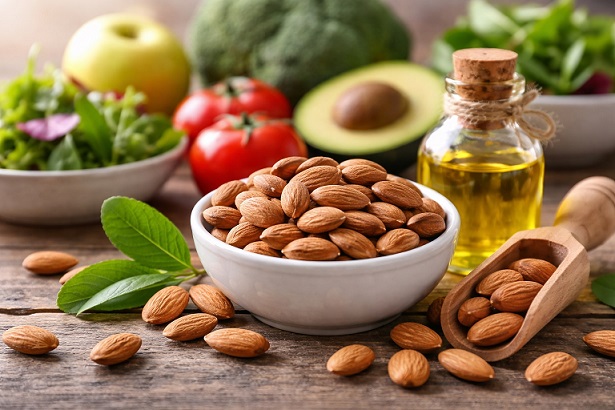 Daily almond consumption may help reduce harmful inflammation linked to obesity even without weight loss
Understanding Inflammation and Obesity
Daily almond consumption may help reduce harmful inflammation linked to obesity even without weight loss
Understanding Inflammation and Obesity
Obesity is more than just excess body weight. Scientists now know that it often involves persistent low-grade inflammation throughout the body. This inflammation is driven by immune signaling molecules called cytokines. Elevated levels of these molecules are associated with metabolic disorders such as insulin resistance, type 2 diabetes, and cardiovascular disease.
Because diet plays an important role in regulating inflammation, researchers have been searching for simple foods that might help reduce these harmful signals.
Almonds are considered a nutrient-dense food containing healthy monounsaturated fats, fiber, vitamin E, magnesium, zinc, and various plant compounds. These nutrients are known to support metabolic health and may help regulate inflammatory pathways.
Clinical Trial Examines Almond Consumption
Researchers from the Department of Nutrition and Exercise Physiology, School of Medicine, University of Missouri, and the Division of Food, Nutrition and Exercise Sciences, College of Agriculture, Food and Natural Resources, University of Missouri conducted a randomized controlled trial to examine the effects of daily almond consumption.
A total of 69 adults between the ages of 30 and 45 who were living with obesity participated in the study. Participants were randomly assigned to one of two groups. One group consumed approximately 57 grams of almonds per day, while the other group consumed an isocaloric snack consisting of cookies. Both snacks contained roughly the same number of calories so that differences in results would reflect food composition rather than calorie intake.
Participants continued their usual diets and physical activity routines during the six-week trial.
Almonds Significantly Reduced Inflammatory Markers
At the end of the study, blood tests revealed notable differences between the two groups. Individuals who consumed almonds experienced significant reductions in several key inflammatory cytokines.
These included interleukin-6 (IL-6), tumor necrosis factor-alpha (TNF-α), and interferon-gamma (IFN-γ). All three molecules are known to promote inflammation and are often elevated in individuals with obesity.
The results showed that almond consumption produced improvements in inflammatory markers even though participants did not lose weight during the six-week period.
This
Health News report highlights how these findings demonstrate that dietary quality alone may influen
ce inflammatory pathways independent of weight change.
Nutritional Benefits Observed During the Study
Participants who consumed almonds also showed improvements in overall diet quality. Their intake of beneficial nutrients such as monounsaturated fats, fiber, magnesium, zinc, and manganese increased during the study period.
These nutrients are known to support immune balance and reduce oxidative stress in the body. Almond consumption also improved scores associated with healthy eating patterns including Mediterranean diet adherence, DASH diet scores, and the Healthy Eating Index.
Interestingly, despite the improvements in inflammatory markers, researchers did not observe major changes in body weight, blood pressure, glucose levels, or most lipid measurements during the relatively short study period.
Scientists believe that improvements in inflammatory markers may appear earlier than measurable changes in metabolic indicators such as cholesterol or blood sugar.
Why Almonds May Help Reduce Inflammation
The researchers believe that the combination of nutrients found in almonds works through multiple mechanisms. Healthy fats such as oleic acid may replace pro-inflammatory saturated fats in the diet, while fiber supports gut health and beneficial microbial activity.
Minerals such as magnesium and zinc also play essential roles in regulating immune responses and reducing oxidative stress. Together, these components may help shift the body toward a less inflammatory state.
Conclusions
The findings provide new evidence that daily almond consumption may help improve inflammatory profiles in adults with obesity even when body weight remains unchanged. The results suggest that improving dietary quality alone may influence underlying biological mechanisms associated with metabolic disease. While longer studies are needed to determine whether these improvements translate into reduced risks of diabetes or cardiovascular disease, the research indicates that almonds could serve as a practical and accessible dietary strategy to help reduce chronic inflammation linked to obesity.
The study findings were published in the peer reviewed journal: Nutrients.
https://www.mdpi.com/2072-6643/18/5/875
For the latest
Health News, keep on logging to Thailand Medical News.
Read Also:
https://www.thailandmedical.news/articles/diets-and-nutrition
https://www.thailandmedical.news/articles/health-news
https://www.thailandmedical.news/articles/weight-loss-news




 Share
Share
 Tweet
Tweet
 Share
Share

































