Nikhil Prasad Fact checked by:Thailand Medical News Team Apr 05, 2026 4 months, 3 weeks, 6 days, 13 hours, 38 minutes ago
Medical News: A growing body of scientific evidence is shedding light on how subtle changes in the body’s chemistry, especially increased acidity, can quietly disrupt iron balance and trigger harmful inflammation. Researchers are now warning that this overlooked connection could play a major role in chronic diseases, including neurodegenerative disorders and metabolic conditions.
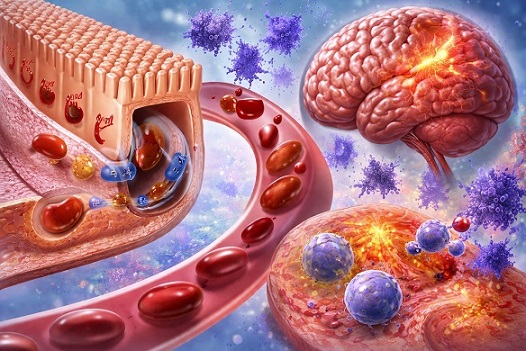 Acidic conditions in the body can trap iron in cells, triggering inflammation and long-term damage
How The Body Normally Handles Iron
Acidic conditions in the body can trap iron in cells, triggering inflammation and long-term damage
How The Body Normally Handles Iron
Iron is essential for life. It helps carry oxygen in the blood and supports energy production in cells. Under normal conditions, the body tightly regulates how iron is absorbed, transported, and stored. Specialized proteins ensure that iron enters cells safely and is distributed where needed.
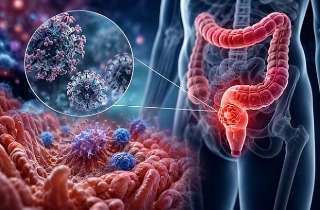
The study highlights how iron absorption in the intestine depends on an acidic environment. This acidity helps convert iron into a form that the body can easily absorb. Once inside the body, iron is transported by a protein called transferrin and delivered to tissues in a controlled manner.
When Acidity Becomes Dangerous
Problems begin when acidity levels rise too much, a condition known as acidosis. This often occurs during inflammation, infections, or poor oxygen supply to tissues. According to researchers from the University of Brescia (Italy), the US Environmental Protection Agency (USA), and the University at Buffalo (USA), acidosis changes how iron behaves in the body.
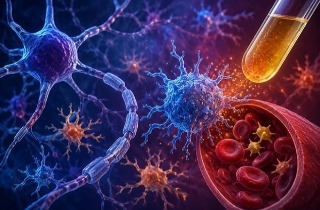
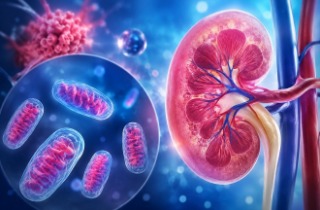
Instead of being safely transported, iron becomes more reactive and accumulates inside cells. This buildup is driven by increased activity of a transporter protein known as DMT1, which absorbs more iron in acidic conditions. At the same time, another key protein responsible for exporting iron, ferroportin, is suppressed. This imbalance leads to what scientists call “iron dyshomeostasis,” where iron is trapped inside cells instead of being properly circulated.
A Chain Reaction of Damage
This
Medical News report highlights that excess iron inside cells is not harmless. It can trigger the production of reactive oxygen species, unstable molecules that damage DNA, proteins, and cell membranes.
The study explains that this process can lead to a specific type of cell death known as ferroptosis. Unlike other forms of cell death, ferroptosis is directly driven by iron and oxidative stress. This makes it particularly dangerous in tissues like the brain, where damage can accumulate over time.
In addition, acidic conditions activate inflammatory pathways in the body. Immune cells begin releasing cytokines, chemical signals that amplify inflammation. These signals further increase iron trapping inside cells, creating a vicious cycle of damage.
Impact On the Brain and Chronic Diseases
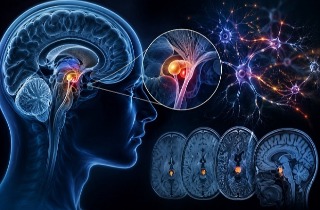
One of the most concerning findings is the effect on the brain. The researchers found that ne
urons are especially vulnerable to iron overload. In acidic conditions, brain cells absorb more iron, which increases oxidative stress and inflammation.
This mechanism has been linked to neurodegenerative diseases such as Alzheimer’s and Parkinson’s. The study also points to evidence that inflammation driven iron buildup can worsen cognitive decline and contribute to long term brain damage.
Beyond the brain, similar processes may occur in other organs, potentially contributing to cardiovascular disease, metabolic disorders, and chronic inflammatory conditions.
Potential Treatment Approaches
Encouragingly, the study suggests that targeting iron transport and acidity could offer new treatment strategies. Scientists are exploring drugs that block excess iron uptake or restore proper iron balance.
There is also interest in therapies that regulate pH levels in tissues, as well as compounds that reduce oxidative stress. Some experimental approaches even focus on inhibiting ferroptosis to prevent cell damage.
Conclusion
The findings reveal a powerful and previously underappreciated link between acidosis, iron imbalance, and inflammation. When the body becomes too acidic, it disrupts iron regulation, leading to toxic buildup inside cells. This triggers oxidative stress, inflammation, and cell death, potentially driving a wide range of chronic diseases. Understanding this connection opens new doors for treatment, especially in conditions where inflammation and tissue damage play a central role. Future therapies that restore iron balance and control acidity could significantly reduce disease risk and improve long term health outcomes.
The study findings were published in the peer reviewed International Journal of Molecular Sciences.
https://www.mdpi.com/1422-0067/27/7/3279
For the latest on damages caused by inflammation, keep on logging to Thailand
Medical News.
Read Also:
https://www.thailandmedical.news/news/triphala-compounds-show-promise-in-fighting-inflammation-naturally
https://www.thailandmedical.news/news/seaweed-compound-may-calm-gut-inflammation
https://www.thailandmedical.news/news/bee-derived-geopropolis-extract-shows-anti-inflammatory-and-regenerative-effects




 Share
Share
 Tweet
Tweet
 Share
Share