Nikhil Prasad Fact checked by:Thailand Medical News Team Aug 03, 2026 41 minutes ago
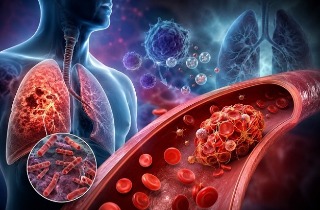
Chronic psychological stress has long been linked to worse outcomes in breast cancer patients, but scientists have now uncovered a promising natural compound that may help interrupt this dangerous process. A new study has found that epicatechin gallate (ECG), a phytochemical found in green tea and several traditional medicinal plants, can block key biological signals triggered by stress that help aggressive breast cancer spread to the lungs.
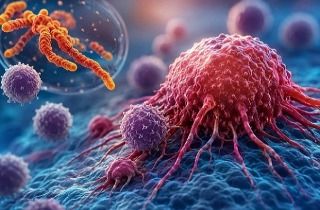
.jpg) Green tea compound epicatechin gallate blocked stress-related immune changes and dramatically reduced
Green tea compound epicatechin gallate blocked stress-related immune changes and dramatically reduced
breast cancer spread to the lungs in preclinical research.
The research was conducted by scientists from the Guangzhou University of Chinese Medicine, the Guangdong Provincial Academy of Chinese Medical Sciences, the Second Affiliated Hospital of Guangzhou University of Chinese Medicine, the Chengdu University of Traditional Chinese Medicine, and the LKS Faculty of Medicine at The University of Hong Kong.
How Stress Can Fuel Cancer
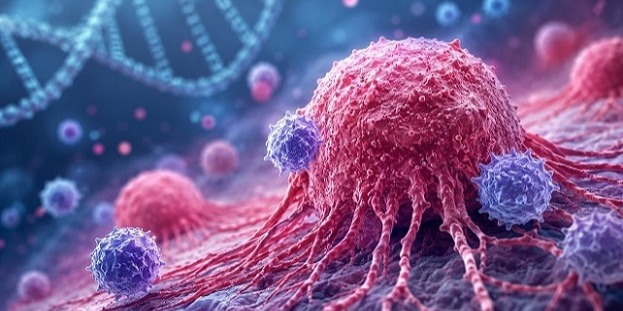
The study focused on triple-negative breast cancer (TNBC), one of the most aggressive forms of breast cancer. Unlike many other breast cancers, TNBC lacks the common hormone receptors that many treatments target, making it harder to treat and more likely to spread.
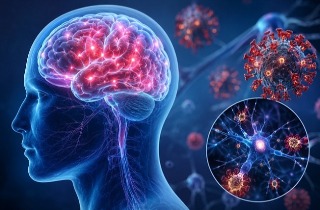
Long-term psychological stress raises levels of stress hormones known as glucocorticoids. These hormones activate glucocorticoid receptors (GR) inside cells, triggering biological changes that weaken the immune system's ability to fight cancer.
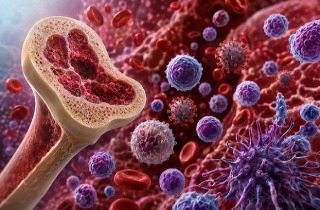
The researchers found that chronic stress caused immature blood-forming cells in the bone marrow, called hematopoietic stem and progenitor cells (HSPCs), to develop into myeloid-derived suppressor cells (MDSCs). These MDSCs suppress immune defenses, allowing cancer cells to survive, invade nearby tissues, and spread throughout the body.
Green Tea Compound Produced Remarkable Results
Using mice exposed to chronic unpredictable mild stress, researchers discovered that ECG significantly reduced the harmful effects of stress.
Animals receiving ECG showed fewer depression-like behaviors, lower levels of the stress hormone corticosterone, slower tumor growth, and dramatically fewer lung metastases. Most impressively, the highest ECG dose reduced lung metastatic tumors by 76.9 percent compared to stressed untreated animals.
Importantly, ECG achieved these benefits without causing significant changes in body weight, suggesting the treatment was well tolerated during the experiments.
Blocking the Cancer-Friendly Immune Environment
This
Medical News report highlights one of the study's most important discoveries: ECG directly targeted the glucocorticoid receptor itself.
Normally, stress hormones activate GR and cause it to move into the cell nucleus, where it switches on genes that encourage HSPCs to become immune-suppressing MDSCs. ECG prevented this nuclear movement by binding directly to the receptor.
Laboratory experiments showed that ECG s
tabilized the receptor protein and molecular modeling revealed a strong interaction involving multiple hydrogen bonds and hydrophobic contacts. By interrupting GR signaling, ECG sharply reduced the production of MDSCs while allowing protective CD8-positive killer T cells to return to the tumor environment.
Multiple Anti-Cancer Benefits
The researchers also observed several additional beneficial effects. ECG lowered levels of proteins including S100A8, S100A9, fibronectin, and MMP-2, all of which help create an environment that favors cancer spread. Lung tissues from treated animals contained fewer immune-suppressing cells and showed healthier tissue structure.
Further laboratory testing demonstrated that fluid collected from ECG-treated HSPCs no longer encouraged breast cancer cells to migrate, invade surrounding tissue, or undergo epithelial-mesenchymal transition (EMT), a biological process that enables cancer cells to become more mobile and metastatic. Instead, cancer cells retained healthier characteristics associated with reduced metastatic potential.
A Potential New Strategy Against Stress-Related Cancer Progression
The findings suggest that targeting stress biology may become an important addition to conventional cancer therapy. Rather than attacking cancer cells directly, ECG appears to prevent chronic stress from reshaping the immune system into one that protects tumors instead of fighting them.
Although these results are highly encouraging, the research was conducted primarily in mice and laboratory cell models. Human clinical trials will be needed to determine whether ECG can safely produce similar anti-metastatic effects in breast cancer patients experiencing chronic psychological stress.
Conclusion
This study identifies epicatechin gallate as a promising natural blocker of glucocorticoid receptor signaling that interrupts one of the key biological links between chronic stress and aggressive breast cancer spread. By preventing immune stem cells from becoming cancer-promoting suppressor cells, restoring anti-tumor immune activity, and reducing multiple drivers of metastasis, ECG demonstrated broad protective effects. If future human studies confirm these findings, this natural compound could eventually become a valuable complementary therapy for patients with triple-negative breast cancer who are exposed to prolonged psychological stress.
The study findings were published in the peer reviewed journal: Pharmaceuticals.
https://www.mdpi.com/1424-8247/19/8/1211
Read Also:
https://www.thailandmedical.news/articles/cancer
https://www.thailandmedical.news/articles/herbs-and-phytochemicals




 Share
Share
 Tweet
Tweet
 Share
Share