Nikhil Prasad Fact checked by:Thailand Medical News Team Jun 07, 2026 1 month, 2 weeks, 3 days, 19 hours, 57 minutes ago
Thailand Medical: A natural compound responsible for the spicy heat in chili peppers may hold surprising potential in the fight against cancers linked to the Epstein-Barr virus (EBV), according to a new Thailand Medical Study. Researchers have discovered that capsaicin can significantly suppress the reactivation of EBV, a common virus that has been implicated in the development and progression of several cancers, including nasopharyngeal carcinoma and gastric cancer.
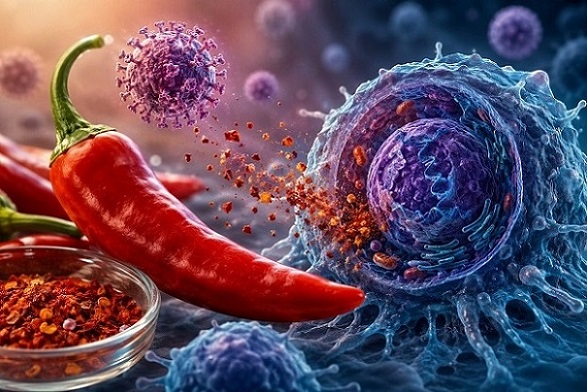 Researchers discover that capsaicin from chili peppers can suppress Epstein-Barr virus reactivation linked
to gastric and nasopharyngeal cancers
The study was conducted by
Thailand Medical scientists from the Department of Biotechnology, Faculty of Science and Technology, Thammasat University, Pathum Thani, Thailand; the Department of Microbiology, Faculty of Medicine, Khon Kaen University, Khon Kaen, Thailand; and the HEC, Faculty of Medicine, Khon Kaen University, Thailand.
Why EBV Matters in Cancer
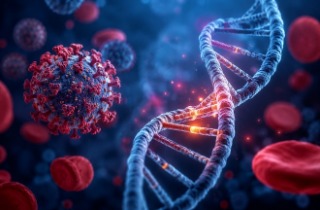
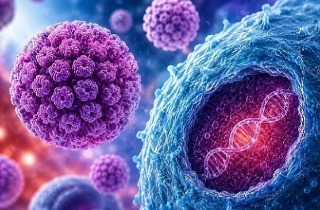
EBV infects more than 95 percent of adults worldwide and usually remains dormant inside the body for life. However, under certain conditions, the virus can switch from a silent state into an active replication phase known as lytic reactivation. This process is increasingly recognized as an important contributor to cancer development and progression.
During lytic reactivation, the virus produces proteins and new viral particles that can trigger inflammation, damage DNA, disrupt normal cellular repair systems, and encourage tumor growth. Because of this, scientists have been searching for ways to stop EBV from reactivating.
Capsaicin Shows Strong Antiviral Effects
The researchers tested capsaicin in laboratory models of EBV-positive gastric cancer and nasopharyngeal cancer cells. Their experiments revealed that capsaicin dramatically reduced the activity of several critical EBV genes required for viral reactivation.
Among the viral genes suppressed were BZLF1 and BRLF1, often described as the master switches that initiate the viral replication cycle. Capsaicin also reduced the activity of other viral genes involved in DNA replication and virus production.
Importantly, the compound not only lowered viral gene expression but also sharply reduced the number of new EBV particles released by infected cancer cells. This suggests that capsaicin interferes with the virus's ability to spread and sustain its cancer-promoting activities.
Multi-Omics Analysis Reveals How It Works
To better understand the mechanisms involved, the scientists employed advanced proteomics and metabolomics technologies. These approaches allow researchers to examine thousands of proteins and metabolites simultaneously.
The analyses revealed that capsaicin altered multiple biological systems that EBV relies on during reactivation. The compound affected cellular metabolism, disrupted pathways involved in energy production, and modified processes needed for viral DNA synthesis and prot
ein manufacturing.
Researchers observed significant changes in purine metabolism, amino acid metabolism, glutathione metabolism, and several pathways linked to cellular stress responses. Since viruses depend heavily on host-cell metabolic resources to reproduce, these disruptions may create an unfavorable environment for EBV replication.
This Medical News report highlights that capsaicin did not target only a single viral mechanism. Instead, it appeared to influence a broad network of interconnected biological pathways, making it more difficult for the virus to complete its reactivation process.
Key Host Proteins Also Suppressed
The study identified several important host proteins that were affected by capsaicin treatment. Among the most notable were HSP90AB1, MYH9, and ANXA2.
These proteins play important roles in cellular stress management, structural organization, metabolic regulation, and virus-host interactions. By reducing the activity of these proteins, capsaicin may further weaken the cellular environment needed for successful EBV replication.
The researchers also found evidence that capsaicin reduced the influence of major regulatory factors known to promote EBV activation, including p65, AP-1, HIF-1α, and SP1. These molecules are involved in controlling gene activity and are often linked to inflammation, cancer progression, and viral replication.
Potential Direct Effects on Viral Proteins
Computer-based molecular docking analyses suggested that capsaicin may directly interact with several EBV proteins involved in viral reactivation. The simulations indicated possible binding to key viral proteins including Zta, Rta, and EA-D, all of which are essential for the virus to enter and maintain its lytic phase.
Although these findings still require laboratory confirmation, they provide additional evidence that capsaicin may interfere with EBV through multiple complementary mechanisms.
Conclusion
The findings provide compelling evidence that capsaicin possesses powerful anti-EBV activity in laboratory models of EBV-associated epithelial cancers. Rather than acting through a single pathway, the compound appears to suppress viral reactivation by simultaneously disrupting viral gene expression, reducing virus production, altering cellular metabolism, interfering with host regulatory networks, and potentially binding directly to critical viral proteins. While further studies, including animal and human investigations, are still needed before clinical applications can be considered, the research opens an exciting avenue for the development of new therapeutic strategies against EBV-associated cancers. The discovery also reinforces growing interest in naturally derived compounds as potential tools for combating complex viral-driven malignancies.
The study findings were published in the peer reviewed International Journal of Molecular Sciences.
https://www.mdpi.com/1422-0067/27/11/5146
For the latest Thai medical research, keep on logging to
Thailand Medical News.
Read Also:
https://www.thailandmedical.news/articles/thailand-medical
https://www.thailandmedical.news/articles/herbs-and-phytochemicals




 Share
Share
 Tweet
Tweet
 Share
Share