Nikhil Prasad Fact checked by:Thailand Medical News Team Apr 10, 2026 4 months, 3 weeks, 1 day, 20 hours, 5 minutes ago
Medical News: A natural compound derived from a traditional Chinese medicinal plant is now gaining global scientific attention for its remarkable ability to kill cancer cells. Known as triptolide, this substance comes from the Thunder God Vine and has been used for centuries in herbal medicine. Today, modern researchers are uncovering how it may offer new hope in the fight against some of the world’s deadliest cancers.
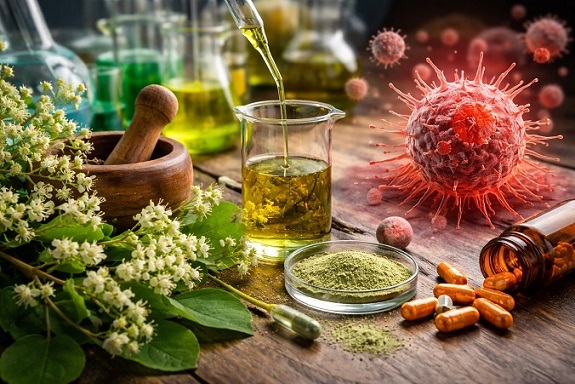 A powerful plant-derived compound shows promise against multiple aggressive cancers
Ancient Medicine Meets Modern Science
A powerful plant-derived compound shows promise against multiple aggressive cancers
Ancient Medicine Meets Modern Science
For generations, the plant Tripterygium wilfordii has been used in traditional remedies, mainly for inflammatory conditions such as arthritis and skin diseases. However, scientists have now discovered that one of its key active compounds, triptolide, possesses powerful anti-cancer properties.
Researchers from the DIPG/DMG Center Zurich at the University Children’s Hospital Zurich and the University of Zurich in Switzerland, together with scientists from Beijing Chaoyang Hospital at Capital Medical University in China, have been studying how this compound works at a molecular level.
How Triptolide Attacks Cancer Cells
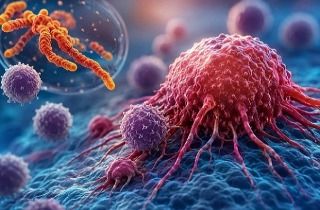
Unlike many conventional treatments that target specific cancer pathways, triptolide works more broadly by shutting down essential processes inside cancer cells. It interferes with proteins required for gene expression, effectively stopping cancer cells from producing the proteins they need to survive.
At the same time, it triggers a cascade of events that lead to cell death. This dual action makes it particularly effective across a wide range of cancers, including brain tumors, pancreatic cancer, leukemia, lung cancer, and gastric cancer.
Strong Effects Across Multiple Tumor Types
Studies have shown that triptolide can slow tumor growth and even shrink cancers in laboratory and animal models. In aggressive brain tumors like glioma, it not only kills cancer cells but also enhances the body’s immune response.
In pancreatic cancer, one of the most difficult cancers to treat, modified forms of triptolide have demonstrated the ability to overcome drug resistance. In leukemia, it boosts the effectiveness of chemotherapy drugs and helps destroy resistant cancer cells.
This
Medical News report highlights that triptolide’s ability to attack cancer from multiple angles may make it a valuable addition to future cancer treatment strategies.
The Major Concern Serious Toxicity
Despite its promise, triptolide is not without risks. One of the biggest challenges is its toxicity. Research shows that it can damage several organs, including the liver, kidneys, heart, and reproductive system.
These harmful effects limit how much of the drug can be safely used in patients. Scientists have also observed impacts on the immune system and even potential neurological side effects, making safety
a key concern in its development.
New Safer Versions Under Development
To address these issues, researchers are working on modified versions of triptolide that are less toxic but still effective. One of the most promising is Minnelide, a water-soluble form that has entered clinical trials.
In addition, advanced drug delivery systems such as nanoparticles and targeted carriers are being developed to deliver the drug directly to tumors. This approach aims to reduce side effects while maximizing its cancer-fighting power.
Clinical Trials Show Mixed Results
Early clinical trials of Minnelide have shown that it can be used safely at certain doses, but results have been mixed in terms of effectiveness. In some studies, patients experienced manageable side effects, but tumor shrinkage was limited.
However, researchers believe that combining triptolide-based treatments with other therapies could improve outcomes. Several ongoing trials are now exploring these combination approaches.
Conclusion
Triptolide represents a powerful example of how traditional medicine can inspire modern scientific breakthroughs. Its ability to disrupt cancer at a fundamental level makes it one of the most promising natural compounds currently under investigation. However, its toxicity remains a major obstacle that must be carefully managed. Continued research into safer derivatives, targeted delivery systems, and combination therapies will be critical. If these challenges can be overcome, triptolide could become an important weapon in the fight against some of the most aggressive and treatment-resistant cancers.
The study findings were published in the peer reviewed journal: Cancers
https://www.mdpi.com/2072-6694/18/8/1196
For the latest cancer research, keep on logging to Thailand
Medical News
Read Also:
https://www.thailandmedical.news/articles/cancer
https://www.thailandmedical.news/articles/herbs-and-phytochemicals
Medical Disclaimer: All content published by Thailand Medical News is based on scientific research and is intended for informational and educational purposes only. It is not medical advice, diagnosis, or treatment. Readers must not attempt to use, apply, or experiment with any protocols, compounds, or therapies mentioned without first consulting a qualified and licensed medical doctor. Many findings discussed are experimental or preliminary, and only a licensed healthcare professional can determine what is safe and appropriate for an individual’s specific medical condition.




 Share
Share
 Tweet
Tweet
 Share
Share