SARS-CoV-2 Targets Neurons Within the Hippocampus and Also Damages Protective Brain Structures
Nikhil Prasad Fact checked by:Thailand Medical News Team Feb 24, 2026 6 months, 6 days, 18 hours, 53 minutes ago
Medical News: New findings reveal how COVID-19 may directly alter brain tissue and immunity
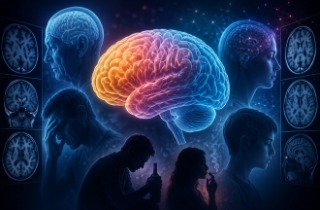
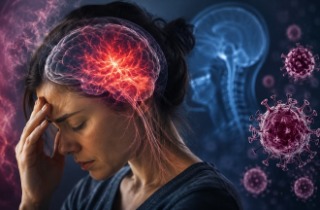
Scientists have uncovered new evidence showing that SARS-CoV-2, the virus responsible for COVID-19, may directly affect critical regions of the human brain involved in memory and learning. Although the disease is primarily known for attacking the respiratory system, researchers are increasingly discovering that the virus can also cause neurological changes. This
Medical News report highlights new research showing that the virus can infect neurons, weaken protective brain barriers, and disrupt immune balance inside the central nervous system.
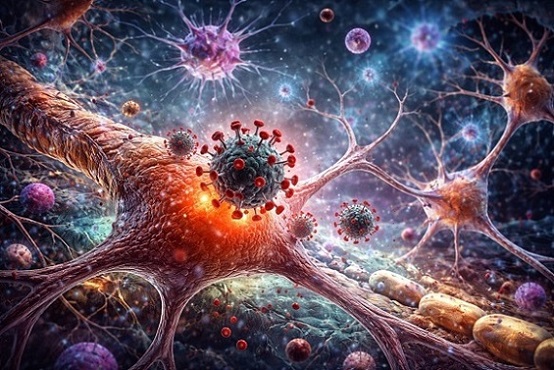 Scientists reveal how COVID-19 may directly infect hippocampal neurons and weaken protective brain
barriers linked to memory and cognition
The study was conducted by researchers from the State Key Laboratory of Common Mechanism Research for Major Diseases, the Institute of Basic Medical Sciences and School of Basic Medicine at the Chinese Academy of Medical Sciences and Peking Union Medical College, together with the Neuroscience Center of the Chinese Academy of Medical Sciences in Beijing, China.
Virus shows preference for memory-related neurons
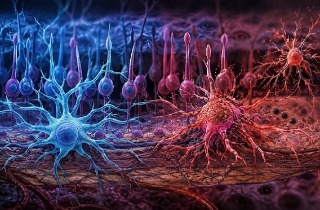
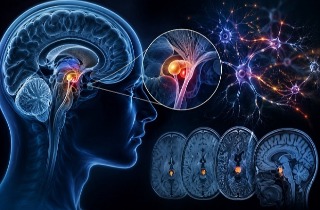
One of the most important discoveries was that SARS-CoV-2 appears to target neurons located in the hippocampus, a region essential for memory formation and cognitive processing. Researchers observed that viral material was especially concentrated in an area known as the dentate gyrus, suggesting that certain neuron populations are more vulnerable to infection.
Alongside this viral presence, scientists found increased evidence of neuronal damage and cell death in infected tissues. This suggests that the virus may directly harm brain cells rather than causing damage only through indirect inflammation. Such findings may help explain why some individuals recovering from severe COVID-19 experience lingering memory problems, difficulty concentrating, or slower mental processing.
Protective brain structures weakened
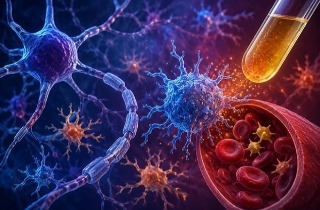
Beyond infection of neurons, the study found significant disruption in proteins that normally protect and stabilize brain tissue. These proteins help maintain communication between nerve cells, preserve the insulating myelin layer around neurons, and support the integrity of the blood-brain barrier, which protects the brain from harmful substances circulating in the bloodstream.
When these structural components weaken, communication between neurons may become less efficient, and the brain may become more vulnerable to inflammation or toxins. Researchers believe this structural breakdown could contribute to neurological symptoms often described as brain fog or cognitive fatigue following severe infection.
Immune imbalance inside the brain
The research also revealed a striking imbalance in the brain’s immune environment. Cells responsible for immune surveillance, including T cells and protective microglia, were reduced in many regions. At
the same time, certain microglia became highly reactive in localized areas, creating a situation where the brain showed both weakened immune defense and pockets of inflammation.
This mixed immune response may allow viral material to persist while simultaneously causing chronic inflammatory damage. Scientists believe this imbalance could play an important role in long-term neurological complications observed in some COVID-19 survivors.
Stress pathways and altered brain organization
At the molecular level, infected brain cells showed increased activity in stress-related signaling pathways while genes linked to normal immune function, vascular stability, and nerve insulation were suppressed. Researchers also observed changes in how cells were positioned within brain tissue, with neurons appearing unusually close to vascular cells. These alterations suggest that infection may trigger structural remodeling inside the brain, potentially interfering with normal neural communication.
Such changes may represent the brain’s attempt to adapt to injury, but they could also contribute to long-lasting dysfunction if normal cellular organization is disrupted.
Conclusion
Overall, the study provides compelling evidence that SARS-CoV-2 may directly infect neurons within the hippocampus while simultaneously damaging protective brain structures and disturbing immune balance. These combined effects could explain why some patients experience persistent neurological symptoms long after recovering from the initial infection. The findings highlight the importance of ongoing monitoring of brain health in COVID-19 survivors and suggest that future therapies may need to focus on protecting structural brain integrity, restoring immune balance, and preventing long-term cognitive decline. Continued research will be essential to fully understand the lasting neurological consequences of the virus and to develop strategies that support recovery and brain resilience.
The study findings were published in the peer reviewed Journal of Neuroinflammation.
https://link.springer.com/article/10.1186/s12974-026-03751-0
For the latest COVID-19 news, keep on logging to Thailand
Medical News.
Read Also:
https://www.thailandmedical.news/articles/coronavirus
https://www.thailandmedical.news/articles/long-covid




 Share
Share
 Tweet
Tweet
 Share
Share