Nikhil Prasad Fact checked by:Thailand Medical News Team Feb 02, 2026 8 months, 1 day, 22 hours, 29 minutes ago
Medical News: Bile duct cancer, medically known as cholangiocarcinoma, is one of the most aggressive and deadly forms of cancer affecting the liver and biliary system. It is often diagnosed late, spreads quickly, and responds poorly to conventional treatments. A new scientific study is now drawing attention to promising alternative strategies that combine natural compounds with modern targeted therapies, offering renewed hope for patients facing this devastating disease.
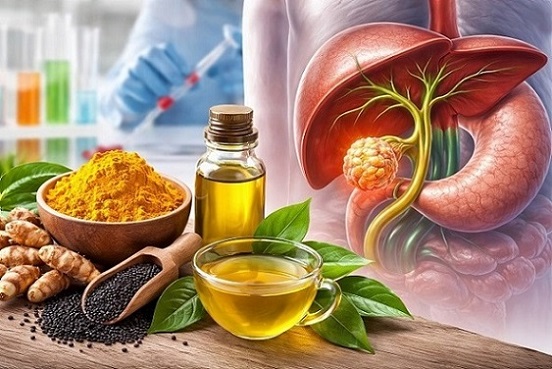 Natural plant compounds may boost modern treatments against deadly bile duct cancer
Understanding Why Cholangiocarcinoma Is So Dangerous
Natural plant compounds may boost modern treatments against deadly bile duct cancer
Understanding Why Cholangiocarcinoma Is So Dangerous
Cholangiocarcinoma develops in the bile ducts that carry digestive fluids from the liver to the intestines. Because early symptoms are vague or absent, many patients are diagnosed only when the disease has reached an advanced stage. Globally, survival rates remain alarmingly low, with fewer than one in five patients surviving five years after diagnosis. The disease is particularly common in Southeast Asia but is rising steadily in Western countries as well.
Limitations Of Current Treatments
Standard treatment options include surgery, chemotherapy, radiation therapy, and targeted drugs. Surgery is the only curative option, yet it is suitable for only a small number of patients. Chemotherapy and radiation can slow disease progression but often damage healthy cells, causing severe side effects. Even newer targeted drugs, designed to block specific cancer-driving genes, frequently lose effectiveness over time as tumors develop resistance.
Natural Compounds Enter the Spotlight
This
Medical News report highlights research exploring the use of natural plant-based compounds to enhance cancer treatment. Scientists have identified several naturally occurring substances that can slow tumor growth and trigger cancer cell death while causing fewer side effects. Among the most promising are thymoquinone from black seed oil, curcumin from turmeric, and epigallocatechin gallate found in green tea.
How These Natural Agents Work
Laboratory and animal studies show that these compounds interfere with key survival pathways inside cancer cells. They block signals that cancer cells use to grow, divide, repair DNA, and avoid self-destruction. By shutting down these internal communication routes, the compounds push cancer cells toward programmed cell death, also known as apoptosis. Importantly, they may also protect healthy liver tissue, a major advantage in bile duct cancer treatment.
Combining Nature with Advanced Therapies
The researchers emphasize that natural compounds are not intended to replace modern medicine. Instead, they may be used alongside chemotherapy, immunotherapy, targeted drugs, and even advanced approaches such as CAR T cell therapy. When combined, these treatments may work more effectively, reduce drug resistance, and lower overall toxicity.
Who Conducted The Study
The research was carried out by scientists from Y B Chavan College of Pharmacy, Dr Rafiq Zakaria Campus, Aurangabad, Maharashtra, India. The team analyzed a wide range of laboratory findings, animal studies, and early clinical evidence to assess how natural compounds could support existing cancer treatments.
What This Means for Patients
While these findings are still largely based on preclinical research, they represent an important shift in how bile duct cancer may be treated in the future. Using natural substances with scientifically proven mechanisms could help personalize therapy, improve tolerance to treatment, and potentially extend survival.
Conclusion And Future Outlook
Cholangiocarcinoma remains one of the most difficult cancers to treat, but this study underscores a growing belief that a multi approach strategy is essential. Natural compounds such as curcumin, thymoquinone, and green tea extracts demonstrate strong anti-cancer activity by targeting multiple disease pathways at once. When combined with modern targeted therapies and immunotherapy, they may overcome resistance, reduce side effects, and improve patient outcomes. Larger clinical trials are now urgently needed to confirm safety, determine proper dosing, and translate these encouraging findings into real world treatments for patients worldwide.
The study findings were published in the peer reviewed journal: Discover Molecules
https://link.springer.com/article/10.1007/s44345-025-00014-y
For the latest on Cholangiocarcinoma, keep on logging to Thailand
Medical News.
Read Also:
https://www.thailandmedical.news/articles/cancer




 Share
Share
 Tweet
Tweet
 Share
Share

































