Nikhil Prasad Fact checked by:Thailand Medical News Team Dec 15, 2025 9 months, 2 weeks, 5 days, 20 hours, 5 minutes ago
Medical News: Hormone and Brain Protein Link Raises New Cancer Concerns
Scientists from the Bristol Medical School in the United Kingdom have discovered a surprising link between male hormones and a brain protein that may worsen certain cancers. Researchers from the Cancer Endocrinology Group, Cerebrovascular and Dementia Research Group, and the NIHR Bristol Evidence Synthesis Group have shown that androgens—male hormones like testosterone and its stronger form, dihydrotestosterone (DHT)—can influence the behavior of a protein called amyloid precursor protein (APP), which is usually associated with Alzheimer’s disease.
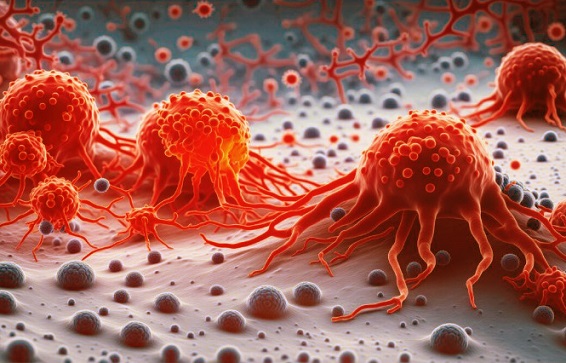 Researchers find that androgens may trigger cancer growth through Alzheimer’s-linked protein APP
This
Medical News report uncovers findings that suggest APP may also play a hidden role in promoting cancer growth, particularly in prostate and breast cancers. In these cancers, both androgen hormones and APP appear to team up to make tumors grow faster. The researchers conducted a systematic review of previous laboratory studies to better understand how androgens affect APP and a key enzyme called ADAM10, which cuts APP in a way that avoids toxic buildup but may promote cancer cell survival.
Androgens May Trigger Cell Growth Through Brain Protein
The researchers found five key studies—four on prostate cancer and one on breast cancer—that showed DHT and other androgen-like compounds increased the amount of APP in cancer cells. Two studies revealed that APP itself is an androgen-responsive gene, meaning that the presence of these hormones makes the cells produce more of this protein.
In both prostate and breast cancer cells, increased APP levels led to faster tumor cell growth. Blocking APP with special molecules slowed cancer growth, while adding APP or the enzymes that cut it, like ADAM10, sped things up. One study even showed that ADAM10 moved into the nucleus of cancer cells after DHT exposure, suggesting it might play a deeper role in turning on genes related to cancer.
Evidence of a Dangerous Chain Reaction
One of the more alarming findings was that the combination of DHT with other growth factors like insulin-like growth factor I (IGF-I) or epidermal growth factor (EGF) significantly boosted ADAM10 production. In real patient tissues, ADAM10 was found in higher levels inside prostate cancer cells compared to benign tissues, and its presence was linked to more aggressive tumors. This chain of events—DHT triggering more APP and ADAM10—may create an environment that helps cancer spread and resist treatment.
What This Means for Future Cancer Therapies
Although APP has been mostly studied in Alzheimer’s disease, this review shows it could also be a hidden driver of cancer. The fact that APP and ADAM10 levels rise in response to androgens suggests new targets for cancer therapies, especially in hormone-sensitive cancers like prostate and breast cancer. The findings also raise questions about the eff
ects of anti-androgen drugs—used to treat prostate cancer—on APP pathways. So far, very few studies have looked at how these treatments impact APP or its cleaving enzymes.
Researchers stress that more studies are urgently needed. This includes research into other cancers such as bladder or lung cancer, and into understanding whether androgen-triggered APP changes lead to harmful or helpful effects depending on how APP is processed. Knowing whether the protein promotes tumor growth or cell death could change how doctors approach hormone-based cancer treatments.
The study findings were published in the peer reviewed journal: Current Issues in Molecular Biology.
https://www.mdpi.com/1467-3045/47/12/1041
For the latest on cancer research, keep on logging to Thailand
Medical News.
Read Also:
https://www.thailandmedical.news/articles/cancer




 Share
Share
 Tweet
Tweet
 Share
Share

































