Nikhil Prasad Fact checked by:Thailand Medical News Team Feb 15, 2026 6 months, 2 weeks, 1 day, 12 hours, 47 minutes ago
Medical News: A groundbreaking new study has uncovered compelling evidence that sex hormones—long known for regulating reproductive health—may also play a surprising and critical role in the development and progression of keratoconus, a serious eye condition that can distort vision and eventually require corneal transplant surgery. The research, conducted by scientists from the 1st Department of Ophthalmology at the General Hospital of Athens “Georgios Gennimatas” and the National and Kapodistrian University of Athens in Greece, along with collaborators from the University Hospital Marburg at Philipps University of Marburg in Germany, offers fresh insights into how hormonal imbalances may quietly influence the structure and strength of the cornea.
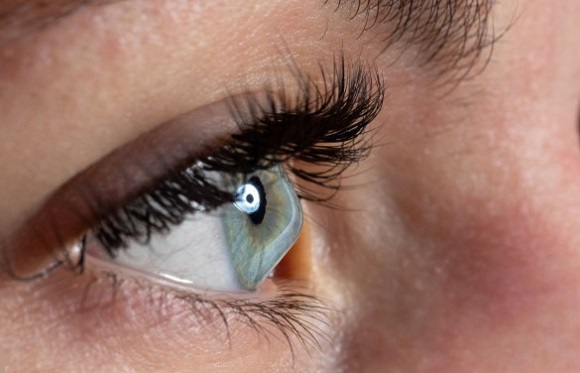 New research reveals hidden hormonal imbalances may weaken the cornea and accelerate keratoconus progression
Understanding Keratoconus and Why It Matters
Keratoconus is a progressive eye disease in which the normally round cornea becomes thinner and bulges outward into a cone-like shape. This distorts incoming light, causing blurred vision, sensitivity to glare, and worsening eyesight over time. The condition often begins during adolescence and can worsen for years before stabilizing. In severe cases, patients may require corneal transplant surgery to restore vision.
While genetics, environmental factors, and eye rubbing have long been associated with keratoconus, the exact cause has remained unclear. Increasingly, scientists are now discovering that systemic factors—particularly hormones circulating in the bloodstream—may be a hidden driver behind the disease.
Large Study Reveals Hormonal Differences in Patients
The research team examined 104 keratoconus patients and 71 healthy individuals. Blood samples were analyzed to measure levels of several key hormones, including testosterone, estradiol, progesterone, prolactin, and gonadotropins such as luteinizing hormone (LH) and follicle-stimulating hormone (FSH). These hormone levels were then compared with detailed corneal measurements assessing thickness, shape, and biomechanical strength.
One of the most striking findings was that men with keratoconus had significantly lower testosterone levels compared to healthy men. Lower testosterone was linked to thinner corneas and weaker corneal structure—two hallmark features of keratoconus. These structural weaknesses make the cornea more prone to bulging and distortion.
At the same time, progesterone levels were higher in male patients, suggesting a hormonal imbalance that may further affect corneal stability. Meanwhile, elevated prolactin levels were associated with increased corneal curvature, indicating more advanced disease severity.
This
Medical News report highlights that hormonal influence may begin early in life. Younger male patients, especially those aged 16 to 30, showed particularly pronounced reductions in testosterone, suggesting hormones may influence disease onset and early progression.
Hormones Also Linked to Severe Cases and Surgery
Patients who required penetrating keratoplasty, a type of corneal transplant, showed higher levels of follicle-stimulating hormone and lower levels of another hormone called DHEA-S. These changes suggest that hormonal disruptions may worsen as keratoconus progresses to more severe stages.
Researchers also found that LH levels were predictive of corneal biomechanical strength, indicating that certain hormones may directly affect the cornea’s ability to resist deformation.
Interestingly, in women over age 45, estradiol levels were higher in keratoconus patients, suggesting hormonal changes after menopause may also influence disease progression.
Hormones May Affect Corneal Structure at A Molecular Level
Scientists believe hormones may influence enzymes called matrix metalloproteinases, which break down collagen. Since collagen provides structural strength to the cornea, hormonal imbalances could weaken this support system, making the cornea more vulnerable to thinning and deformation.
Hormone receptors have already been identified in corneal tissue, meaning the cornea can directly respond to circulating hormones. This reinforces the idea that keratoconus may not be just an eye disease—but a systemic condition influenced by the body’s hormonal balance.
Conclusions And Future Implications
The findings strongly suggest that hormonal imbalances—particularly low testosterone in men and altered gonadotropin levels—play a meaningful role in keratoconus development and progression. These discoveries open the door to entirely new approaches for early diagnosis, risk assessment, and even hormone-based therapies aimed at slowing or preventing disease progression.
Understanding these hormonal connections could allow doctors to identify high-risk individuals earlier and intervene before irreversible corneal damage occurs. The study also reinforces the concept that keratoconus is influenced by systemic biological processes, not just local eye abnormalities, marking a major shift in scientific understanding of this condition.
The study findings were published in the peer reviewed Journal of Clinical Medicine.
https://www.mdpi.com/2077-0383/15/4/1528
For the latest on Keratoconus Vision Damage, keep on logging to Thailand
Medical News.
Read Also:
https://www.thailandmedical.news/articles/ophthalmology-(eye-diseases)




 Share
Share
 Tweet
Tweet
 Share
Share

































