Nikhil Prasad Fact checked by:Thailand Medical News Team Jun 03, 2026 1 month, 4 weeks, 1 day, 2 hours, 39 minutes ago
Medical News: Long COVID Linked to Heart Nerve Dysfunction and Unusual Immune Responses
A new study from France has uncovered important clues about why some people suffering from long COVID develop troubling cardiovascular symptoms such as rapid heartbeat, dizziness, faintness, and difficulty standing for long periods. Researchers found that younger patients, those with certain breathing abnormalities, and individuals with signs of allergic immune activity may be at higher risk of developing a condition known as cardiovascular dysautonomia.
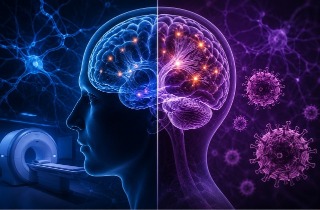
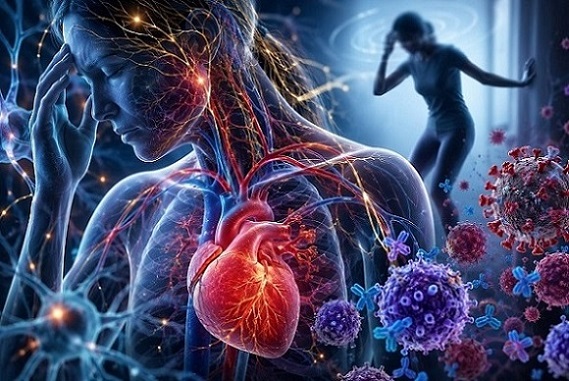 New research shows that younger long COVID patients may be more vulnerable to heart-related nervous
system disorders driven by immune and allergy-related mechanisms
The research was conducted by scientists from the Toulouse University Hospital Center, the Toulouse Institute for Infectious and Inflammatory Diseases (INFINITy), INSERM U1291, CNRS U5051, the University of Toulouse, the Department of Internal Medicine at CHU Toulouse, the Department of Infectious Diseases at CHU Toulouse, the Department of Pneumology at CHU Toulouse, the Laboratory of Virology at CHU Toulouse, and the Department of Neurology at Toulouse University Hospital Center in France.
Understanding Cardiovascular Dysautonomia in Long COVID
Cardiovascular dysautonomia occurs when the autonomic nervous system, which controls automatic body functions such as heart rate and blood pressure, fails to function properly. Patients often experience palpitations, dizziness, exercise intolerance, fatigue, and episodes of rapid heart rate when standing.
One of the most recognized forms of this condition is Postural Orthostatic Tachycardia Syndrome (POTS), where heart rate rises dramatically upon standing without a corresponding drop in blood pressure.
Although long COVID has affected millions worldwide, the exact reasons why some patients develop cardiovascular dysautonomia have remained poorly understood.
Study Examined More Than 100 Long COVID Patients
The research team analyzed 106 individuals diagnosed with long COVID. Among them, 34 patients were found to have cardiovascular dysautonomia, while eight met the criteria for POTS.
The investigators examined a wide range of factors, including age, sex, body weight, vaccination history, prior COVID-19 infections, immune responses to the virus, inflammation markers, allergy-related indicators, and numerous autoantibodies often associated with autoimmune diseases.
Surprising Risk Factors Identified
The study revealed several factors strongly associated with cardiovascular dysautonomia.
Patients younger than 45 years old were almost three times more likely to develop the condition. Researchers also found a strong association with hyperventilation syndrome, a breathing disorder that causes excessive breathing and low carbon dioxide levels in the blood.
Another surprising finding was that affected patients tended to have lower body mass indexes. This contrasts with previous long COVID studies that often identified obesity as a risk factor for persistent symptoms
.
Perhaps most intriguing was the discovery that elevated basophil levels were strongly linked to cardiovascular dysautonomia. Basophils are a type of white blood cell involved in allergic reactions and immune regulation. Patients with higher basophil counts were more than three times as likely to develop the condition.
Allergic Pathways May Play a Bigger Role Than Expected
The findings suggest that allergy-related immune activity could contribute to cardiovascular complications in long COVID.
While traditional allergy markers such as tryptase were not significantly elevated, the increased basophil counts point toward ongoing immune activation involving allergic pathways.
Researchers believe this observation deserves further investigation because basophils may be influencing nervous system regulation and cardiovascular function in ways that are not yet fully understood.
This
Medical News report notes that the discovery may help explain why some long COVID patients continue experiencing unexplained cardiovascular symptoms years after their original infection.
Stronger Immune Responses Found in POTS Patients
The study also uncovered unusual immune characteristics among patients diagnosed with POTS.
These individuals showed significantly stronger cellular immune responses against the SARS-CoV-2 spike protein compared to other long COVID patients. They also had higher levels of antibodies against the virus's nucleocapsid protein.
Importantly, these heightened immune responses could not be explained simply by more recent infections or a greater number of vaccinations.
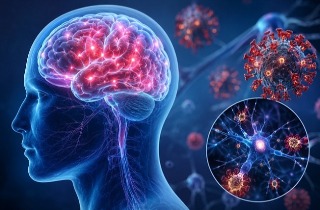
The findings suggest that persistent immune activation may contribute to the development of POTS and other forms of cardiovascular dysautonomia.
No Evidence Supporting Autoimmune Causes
One of the most notable findings was what researchers did not find.
Despite testing an extensive panel of autoantibodies linked to autoimmune diseases and neurological disorders, the investigators found no meaningful association between cardiovascular dysautonomia and common autoimmune markers.
Similarly, inflammatory markers such as C-reactive protein, IL-6, IL-8, TNF-alpha, and other cytokines were generally low and showed no clear connection to cardiovascular symptoms.
These findings challenge theories suggesting that widespread inflammation or common autoimmune reactions are the primary drivers of cardiovascular dysautonomia in long COVID.
Conclusions
The study provides important new evidence that long COVID-related cardiovascular dysautonomia may arise through mechanisms different from those previously suspected. Rather than being driven mainly by chronic inflammation or common autoimmune disorders, the condition appears more closely linked to younger age, abnormal breathing patterns, repeated exposure to viral spike proteins, and allergy-related immune activity involving basophils. The enhanced immune responses observed in patients with POTS further suggest that persistent interactions between the immune system and viral components may contribute to ongoing nervous system dysfunction. These findings open new avenues for research and may eventually lead to more targeted diagnostic tools and treatments for the growing number of people struggling with long COVID-related cardiovascular complications.
The study findings were published in the peer reviewed Journal of Clinical Medicine.
https://www.mdpi.com/2077-0383/15/11/4192
For the latest on Long COVID, keep on logging to
Thailand Medical News.
Read Also:
https://www.thailandmedical.news/articles/long-covid




 Share
Share
 Tweet
Tweet
 Share
Share