Nikhil Prasad Fact checked by:Thailand Medical News Team Jun 30, 2026 1 month, 2 weeks, 5 days, 17 hours, 51 minutes ago
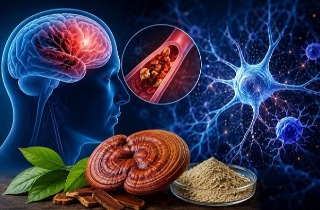
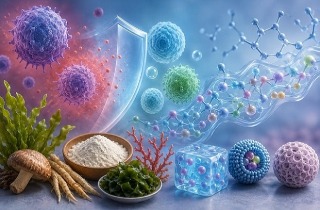
Medical News: A new study is offering reassuring clarity about ergothioneine, a natural antioxidant commonly found in mushrooms and other foods, after earlier concerns suggested it might increase levels of a potentially harmful compound in the body. Scientists have long been focused on trimethylamine N-oxide (TMAO), a substance produced in the body through gut bacteria and linked to conditions such as heart disease, stroke, diabetes, and neurodegenerative disorders. Because some dietary compounds can be converted into TMAO, questions had emerged about whether ergothioneine could also contribute to this process and pose hidden risks.
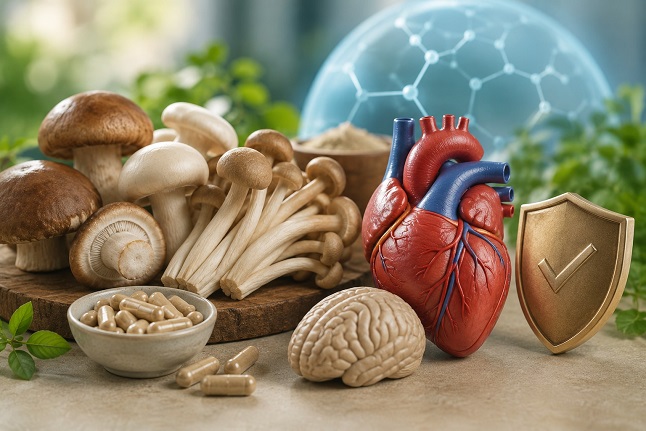 New study confirms mushroom antioxidant does not raise harmful heart-risk compound levels
Who Conducted the Study?
New study confirms mushroom antioxidant does not raise harmful heart-risk compound levels
Who Conducted the Study?
The research was conducted by a team of scientists from the Neurobiology Programme, Life Science Institute, National University of Singapore; the Department of Biochemistry, Yong Loo Lin School of Medicine, National University of Singapore; the Cardiovascular Research Institute, National University Health System, Singapore; the Department of Medicine, Yong Loo Lin School of Medicine, National University of Singapore; and the Department of Data Science, School of Frontier Engineering, The Kitasato Institute, Japan . Their combined expertise spans neuroscience, cardiovascular medicine, and metabolic research, providing a strong foundation for investigating the relationship between diet and disease.
What Did the Researchers Do?
To address these concerns, the researchers carried out a detailed investigation involving both controlled human trials and analysis of patient data. Healthy volunteers were given 25 milligrams of ergothioneine daily for one week, and their blood was carefully monitored to track any changes in both ergothioneine and TMAO levels. In addition, data from 157 patients with heart failure were examined to determine whether real-world clinical populations showed any link between the antioxidant and TMAO. The team also conducted advanced analyses of gut bacteria to assess whether microbes capable of converting ergothioneine into harmful compounds are common in the human body.
Key Findings Explained Simply
The findings were striking and consistent across multiple approaches. First, even though ergothioneine levels increased significantly in individuals taking supplements, there was no corresponding rise in TMAO levels. Second, among heart failure patients, there was no meaningful relationship between ergothioneine and TMAO, although TMAO itself was linked to its known precursor, trimethylamine (TMA). Third, the researchers found that only a limited number of gut bacteria possess the enzyme needed to break down ergothioneine into TMA, making this pathway extremely rare. Finally, other dietary components such as choline and carnitine—commonly found in red meat and eggs—were confirmed to be far more significant contributors to TMAO production than ergothioneine.
Why Ergothioneine Still Matters
Ergothioneine has attracted growing scientific interest because of its potential role in protecting the body against damage. It is known to help reduce oxidative stress, support brain health, and lower inflammation
. Lower levels of ergothioneine in the blood have been linked to a higher risk of conditions such as dementia, Parkinson’s disease, cardiovascular disease, and general frailty in older adults. These benefits have led some researchers to describe it as a possible “longevity nutrient,” particularly important for healthy aging.
A Turning Point in the Debate
In the midst of ongoing discussions about diet, gut health, and chronic disease, this
Medical News report highlights a crucial development. The findings effectively challenge the idea that ergothioneine could act as a “double-edged sword.” Instead, the evidence shows that even when taken as a supplement, ergothioneine does not increase levels of harmful TMAO, removing a key safety concern that had been raised in previous debates.
What Does This Mean for Everyday People?
For the general public, these results provide practical reassurance. Consuming foods rich in ergothioneine, such as mushrooms, appears safe and may even be beneficial. Supplements containing the compound are also unlikely to increase heart-related risks linked to TMAO. At the same time, the study reinforces the importance of focusing dietary attention on reducing foods known to significantly raise TMAO levels, particularly those high in choline and carnitine.
Conclusion
The study provides strong evidence that ergothioneine does not contribute to harmful TMAO accumulation in the body, addressing a major concern surrounding its safety. Its well-documented antioxidant and neuroprotective properties, combined with a favorable safety profile, make it a promising candidate for supporting long-term health and reducing the risk of age-related diseases. While further research is still needed to fully understand how it interacts with gut bacteria and influences the gut–brain axis, current findings clearly support its continued use as a beneficial dietary component rather than a hidden risk factor.
The study findings were published in the peer reviewed journal: Antioxidants.
https://www.mdpi.com/2076-3921/15/7/819
For the latest on Ergothioneine, keep on logging to Thailand
Medical News.
Read Also:
https://www.thailandmedical.news/news/penn-state-college-of-medicine-study-shows-that-the-phytochemical-ergothioneine-found-in-most-edible-mushrooms-lowers-risk-of-depression
https://www.thailandmedical.news/news/medical-study-links-mushroom-consumption-with-lower-risk-of-prostate-cancer
https://www.thailandmedical.news/news/study-finds-that-king-oyster-mushroom-may-calm-brain-inflammation




 Share
Share
 Tweet
Tweet
 Share
Share