Nikhil Prasad Fact checked by:Thailand Medical News Team Jan 14, 2026 7 months, 2 weeks, 5 days, 19 hours, 24 minutes ago
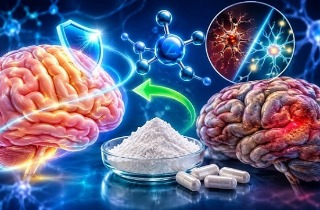
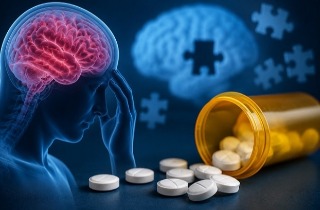
Medical News: A new study from Bulgaria and Portugal suggests that a natural mushroom supplement may help improve brain function in young children on the autism spectrum. The research involved scientists from Medical University of Varna (Bulgaria), Medical Center Plamak (Bulgaria), the University of Coimbra (Portugal), LAQV-REQUIMTE (Portugal), and the University of Lisbon (Portugal).
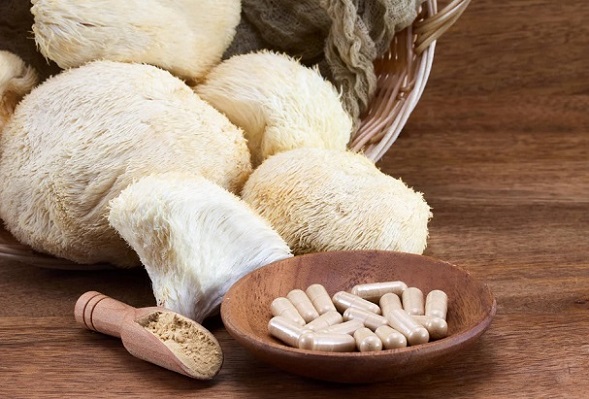 Daily lion’s mane supplements helped normalize brainwave patterns and support developmental gains in young autistic children
A Natural Therapy Under the Microscope
Daily lion’s mane supplements helped normalize brainwave patterns and support developmental gains in young autistic children
A Natural Therapy Under the Microscope
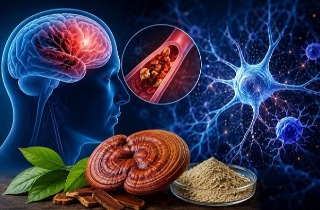
Lion’s mane mushroom—scientifically called Hericium erinaceus—has long been known for its potential brain-boosting compounds. What makes this
Medical News report especially interesting is that researchers tested a simple powdered mushroom biomass, not a laboratory extract.
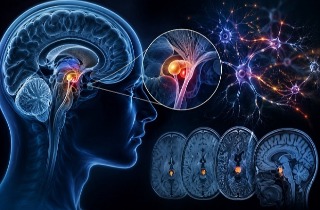
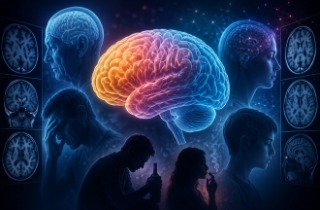
Fifty-seven children aged three to six with autism spectrum disorder (ASD) or Asperger’s received daily mushroom tablets for up to 12 months. Ninety neurotypical children acted as controls. Doctors tracked brain activity using qEEG scans, which read brain waves linked to sleep, attention, learning, focus, and sensory processing.
Early Brainwave Clues
At the start, children with ASD had “noisy” brain patterns, including:
• Too much slow delta and theta activity
• Low alpha frequencies—normally linked to calm focus
• Irregular beta electrical rhythms, signaling stress, restlessness, or sensory overload
These patterns reflected slower brain maturation compared with typically developing children.
Measurable Brain Improvements
After six months of supplementation, qEEG scans already showed children’s brainwaves moving closer to normal ranges. By month twelve:
• Delta waves dropped close to control levels
• Theta waves fell sharply, suggesting better sensory and memory processing
• Alpha wave activity increased—linked to improved attention, calmness, and social awareness
• Beta1 became more stable, supporting thinking and planning
• Beta2 stress-related activity sank toward healthy levels
Together these shifts suggested faster neuronal communication and healthier brain-network organization.
Children Also Developed Faster in Daily Life
Developmental tests offered a real-world picture of how the children were changing:
• Cognitive scores increased dramatically
• Speech and language began catching up
• Emoti
onal and social behavior showed visible gains
• Motor development stayed strong and stable from the start
Families also informally reported better eye contact, calmer behavior, and improved communication.
What the Findings Mean
Researchers caution that the trial was not blinded or placebo-controlled and involved a modest sample size. Still, the steady brain and behavioral gains indicate lion’s mane mushroom could become a safe supportive therapy—especially for high-functioning autistic children who struggle with sensory overload and communication delays. The study suggests that gentle, food-grade neuronutrition may help developing brains mature more smoothly by reducing inflammation, boosting protective antioxidant pathways, and strengthening neural signaling.
In conclusion, the study offers promising early evidence that daily lion’s mane mushroom biomass may improve brainwave patterns, sensory processing, attention, and behavior in young children with autism. While more rigorous trials are needed before doctors formally recommend it, the lack of reported side effects, broad improvements across brain activity, and strong developmental gains point to a therapy worth further exploration—especially in settings where access to specialty care is limited and families seek safe complementary strategies.
The study findings were published in the peer reviewed journal: Nutrients.
https://www.mdpi.com/2072-6643/18/2/248
For the latest on Herbs and Phytochemicals, keep on logging to
Thailand Medical News.
Read Also:
https://www.thailandmedical.news/articles/herbs-and-phytochemicals




 Share
Share
 Tweet
Tweet
 Share
Share