Nikhil Prasad Fact checked by:Thailand Medical News Team Jun 27, 2026 3 months, 1 week, 1 day, 4 hours, 58 minutes ago
Medical News: A commonly prescribed antidepressant may have an unexpected new role beyond treating depression. Researchers have discovered that mirtazapine can dramatically boost the production of a natural brain protein involved in clearing harmful waste, opening the door to possible new treatments for Alzheimer's disease, stroke-related brain damage, and sleep disorders.
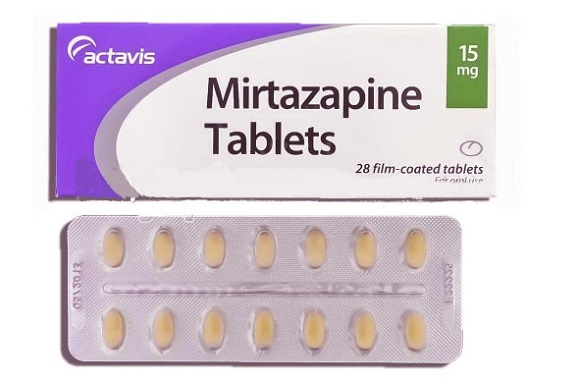 Researchers discover that the antidepressant mirtazapine boosts a key brain-cleaning protein that could one day help fight Alzheimer's disease, stroke damage, and sleep disorders
The research was conducted by scientists from the Institute for Advanced Medical Sciences, Hyogo Medical University, the Department of Therapeutic Progress in Brain Diseases, Hyogo Medical University, the Department of Chemistry, Hyogo Medical University, the Research Center for Advanced Medical Science, Dokkyo Medical University, and the Department of Biomedical Sciences, Ritsumeikan University, all in Japan.
Brain's Natural Cleaning System Gets a Boost
The brain constantly produces waste products as it functions. Normally, these unwanted substances are removed through specialized cleaning systems. However, when this process slows down, toxic proteins such as amyloid-beta and tau can accumulate, contributing to Alzheimer's disease and other neurological disorders.
The researchers focused on brain pericytes, specialized cells that wrap around tiny blood vessels in the brain. These cells produce lipocalin-type prostaglandin D synthase (L-PGDS), a protein that acts like a molecular scavenger by binding and helping remove harmful waste products. L-PGDS is also linked to sleep regulation, making it particularly interesting because deep sleep is known to enhance the brain's waste-clearance system.
Mirtazapine Emerged as the Top Performer
Scientists screened 158 FDA-approved drugs to identify compounds capable of increasing L-PGDS production. Among all medications tested, mirtazapine stood out as the strongest performer.
The drug increased L-PGDS gene activity by remarkably large amounts in mouse brain pericytes. Even more importantly, increasing doses of mirtazapine produced progressively higher levels of the protein itself, demonstrating a clear dose-dependent response.
Unlike many laboratory findings that stop at gene activity, the researchers also confirmed that brain cells actively released larger quantities of L-PGDS into their surroundings. Since the protein normally circulates through the brain and cerebrospinal fluid, this finding suggests the drug could potentially strengthen the brain's own housekeeping system.
Human Brain Cells Responded the Same Way
One of the study's most encouraging findings was that the results were successfully repeated using human brain pericytes.
Higher doses of mirtazapine significantly boosted both L-PGDS gene expression and protein secretion in human cells, suggesting the mechanism is not limited to laboratory mice. This
x">Medical News report highlights an important point: demonstrating similar effects in both mouse and human cells substantially strengthens the biological relevance of the findings.
Further genetic analysis revealed that L-PGDS became one of the most strongly activated genes following treatment. Other analyses showed activation of pathways involved in prostaglandin production, sleep regulation, and biological processes associated with maintaining normal brain function. Interestingly, the treatment did not alter the basic identity or characteristics of the brain pericytes, indicating the drug specifically enhanced protein production without fundamentally changing the cells themselves.
Why the Findings Matter
L-PGDS performs several important functions. Besides helping clear toxic molecules, it produces prostaglandin D2, a signaling molecule involved in regulating sleep. Previous research has linked poor waste clearance with Alzheimer's disease, while sleep disturbances are increasingly recognized as both a risk factor and an early symptom of dementia.
The researchers also found that another compound with a chemical structure similar to mirtazapine produced comparable increases in L-PGDS, suggesting that the drug's molecular structure itself may play an important role in triggering this beneficial response.
Because mirtazapine is already an approved medication, the findings raise the possibility of drug repurposing, potentially shortening the path toward future clinical applications if additional studies confirm these benefits in living animals and eventually in human patients.
Conclusion
Although these findings are highly promising, the research was conducted using cultured mouse and human brain cells rather than patients. It remains unknown whether standard therapeutic doses of mirtazapine can produce the same increase in L-PGDS inside the human brain or whether doing so will improve memory, reduce Alzheimer's pathology, enhance recovery after stroke, or improve sleep. Nevertheless, the study identifies an entirely new biological action for a well-known antidepressant and positions brain pericytes as important contributors to the brain's natural waste-removal system. If confirmed in future animal studies and clinical trials, this discovery could eventually lead to innovative treatments targeting multiple neurological disorders through enhancement of the brain's own cleaning mechanisms.
The study findings were published in the peer reviewed journal: Biomolecules.
https://www.mdpi.com/2218-273X/16/7/945
For the latest on brain health, keep on logging to Thailand
Medical News.
Read Also:
https://www.thailandmedical.news/news/the-neurobiological-link-between-sleep-glymphatic-dysfunction-and-neurodegeneration
https://www.thailandmedical.news/news/how-brain-vascular-damage-and-waste-build-up-drive-dementia
https://www.thailandmedical.news/news/brains-waste-disposal-system-does-haywire-in-many-post-covid-19-individuals-causing-various-neurological-symptoms
https://www.thailandmedical.news/news/study-reveals-alarming-connection-between-disruption-of-brain-waste-clearance-and-long-covid-symptoms
https://www.thailandmedical.news/news/covid-19-sleep-problems-may-be-caused-by-damaged-brain-waste-system
https://www.thailandmedical.news/news/glymphatic-system-dysfunction-linked-to-chronic-fatigue
Medical Disclaimer: All content published by Thailand Medical News is based on scientific research and is intended for informational and educational purposes only. It is not medical advice, diagnosis, or treatment. Readers must not attempt to use, apply, or experiment with any protocols, compounds, or therapies mentioned without first consulting a qualified and licensed medical doctor. Many findings discussed are experimental or preliminary, and only a licensed healthcare professional can determine what is safe and appropriate for an individual’s specific medical condition.




 Share
Share
 Tweet
Tweet
 Share
Share