Nikhil Prasad Fact checked by:Thailand Medical News Team Apr 02, 2026 5 months, 9 hours, 25 minutes ago
Medical News: Chronic kidney disease is quietly becoming one of the world’s most serious health challenges, affecting millions of people without obvious symptoms in its early stages. Now, scientists are uncovering a surprising driver behind this condition - cells in the kidney that have essentially “aged” prematurely and stopped functioning properly.
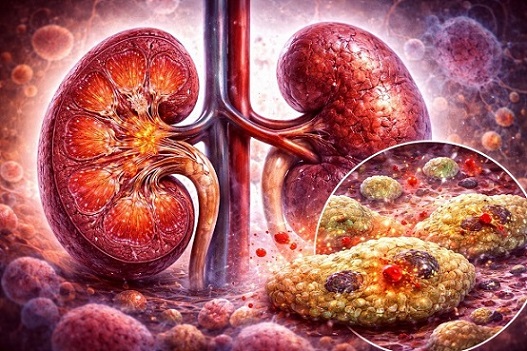 Damaged aging cells in kidneys may drive chronic disease progression and failure
What Is Happening Inside the Kidneys?
Damaged aging cells in kidneys may drive chronic disease progression and failure
What Is Happening Inside the Kidneys?
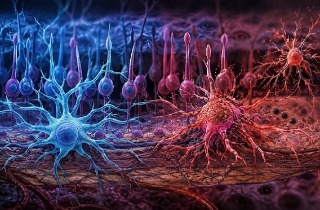
Healthy cells grow, divide, and repair tissues when needed. However, in chronic kidney disease, many cells enter a state known as “cellular senescence.” These cells are still alive but no longer divide or perform their normal roles effectively. Instead, they release harmful substances that trigger inflammation and scarring.
Researchers explain that these senescent cells accumulate over time due to stress factors such as toxins, oxidative damage, and reduced oxygen supply. The kidneys are especially vulnerable because they constantly filter waste from the blood and require high energy to function.
As these dysfunctional cells build up, they begin to damage surrounding healthy tissue, accelerating the decline of kidney function.
Why Chronic Kidney Disease Resembles Aging
One of the most striking discoveries is that chronic kidney disease behaves very much like accelerated aging. Normally, kidney function gradually declines with age, but in this condition, the process speeds up dramatically.
Scientists found that both aging kidneys and diseased kidneys share similar features, including inflammation, fibrosis (scarring), and reduced ability to repair damage. In fact, the disease can mimic what would typically happen over decades of aging - but in a much shorter time.
This helps explain why older adults are at higher risk, but also why younger individuals with kidney disease can experience rapid deterioration.
The Dangerous Chain Reaction Inside Cells
Senescent cells do more than just stop working - they actively worsen the disease. They release a mix of inflammatory and fibrotic chemicals known as the senescence-associated secretory phenotype.
This
Medical News report highlights that these substances promote chronic inflammation and tissue scarring, creating a vicious cycle where damage leads to more senescent cells, and more senescent cells lead to further damage. Over time, this process can lead to end-stage kidney disease, where patients require dialysis or a transplant to survive.
Key Drivers Behind Cellular Damage
Researchers identified several major triggers that push kidney cells into this harmful state:
-Oxidative stress caused by toxic molecules
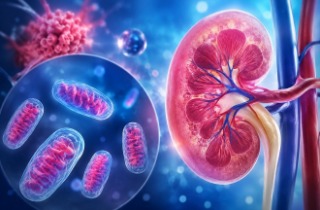
-Mitochondrial dysfunction, reducing cellular energy
-DNA damage that halts normal
cell division
-Chronic inflammation that keeps cells under constant stress
-Accumulation of toxins that the kidneys struggle to filter
The study also revealed that certain signaling pathways, including those linked to inflammation and fibrosis, become overactive and further accelerate cellular aging.
Why Current Treatments Fall Short
Current treatments for chronic kidney disease mainly focus on slowing progression rather than reversing it. These include controlling blood pressure, managing blood sugar, and using medications that protect kidney function. However, none of these therapies directly target the root cause - senescent cells. This is why many patients continue to experience gradual decline despite treatment.
New Hope Through Targeting Aging Cells
Exciting new research is now exploring therapies designed specifically to eliminate or modify senescent cells.
These include:
-Senolytics, drugs that remove damaged cells
-Senomorphics, treatments that reduce harmful secretions
-Rejuvenating therapies, aimed at restoring healthier cell function
Early studies in animal models have shown that removing these dysfunctional cells can improve kidney function, reduce scarring, and even slow aging-related decline.
The Role of Artificial Intelligence
Another breakthrough comes from the use of artificial intelligence. Scientists are now using advanced algorithms to detect and measure senescent cells more accurately in tissue samples.
This could allow doctors to identify high-risk patients earlier and personalize treatments based on how much cellular aging is present in the kidneys.
Conclusion
The discovery that chronic kidney disease is closely tied to premature cellular aging marks a major shift in understanding the condition. Instead of viewing it solely as organ damage, it is increasingly seen as a biological aging process driven by dysfunctional cells. Targeting these cells offers a promising path toward more effective treatments, but more research is needed before these therapies become widely available. The findings suggest that addressing cellular senescence could transform how kidney disease is managed in the future and may even help extend healthy lifespan in affected individuals.
The study findings were published in the peer reviewed International Journal of Molecular Sciences.
https://www.mdpi.com/1422-0067/27/7/3205
For the latest on treating kidney disorders and issues, keep on logging to Thailand
Medical News.
Read Also:
https://www.thailandmedical.news/articles/nephrology-(kidneys)




 Share
Share
 Tweet
Tweet
 Share
Share