Nikhil Prasad Fact checked by:Thailand Medical News Team Dec 16, 2025 9 months, 2 weeks, 4 days, 22 hours, 1 minute ago
Medical News: Scientists Explore How Corn Molecules Could Affect Human Health
Corn, also known as maize, is a staple food eaten by billions of people around the world. Beyond providing energy and nutrients, scientists are now discovering that maize may carry tiny biological signals capable of interacting with the human body in unexpected ways. A new scientific study suggests that special molecules found in maize could potentially influence human genes linked to prostate cancer.
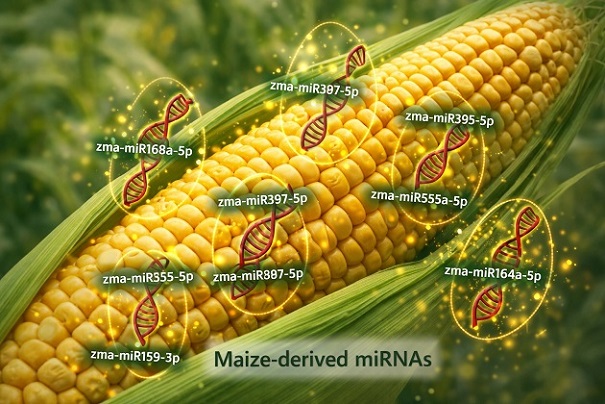 New research suggests that tiny genetic molecules from corn could interact with human prostate cancer pathways
What Are MicroRNAs and Why Do They Matter
New research suggests that tiny genetic molecules from corn could interact with human prostate cancer pathways
What Are MicroRNAs and Why Do They Matter
MicroRNAs, often called miRNAs, are extremely small molecules that help control how genes work. They act like switches, turning gene activity up or down. While the human body produces its own miRNAs, recent research shows that miRNAs from plants can survive digestion, enter the bloodstream, and possibly interact with human cells. This
Medical News report highlights how maize-derived miRNAs may play a role in this cross-kingdom communication.
The Research Behind the Discovery
The study was carried out by researchers from the Facultad de Ciencias Biológicas and the Instituto de Biotecnología at the Universidad Autónoma de Nuevo León in Mexico. Using advanced computer-based analysis rather than human or animal testing, the scientists examined 137 known maize miRNAs and compared them against the entire set of known human genes. Their goal was to see whether maize miRNAs could theoretically bind to and regulate human genes.
Hundreds of Human Genes May Be Affected
The researchers identified 961 human genes that could potentially be influenced by maize miRNAs. Many of these genes are involved in important biological processes such as cell growth, gene regulation, inflammation, and survival. When the team analyzed disease-related pathways, one area stood out strongly: prostate cancer.
Key Prostate Cancer Genes Under the Spotlight
The analysis revealed that 13 genes linked to prostate cancer could potentially be regulated by 15 different maize miRNAs. These genes include well-known players such as PTEN, BCL2, AR, IGF1R, TMPRSS2, and FOXO1. These genes are critical in controlling tumor growth, hormone signaling, cell death, and cancer progression.
Some maize miRNAs showed especially strong binding potential, suggesting they could meaningfully influence how these cancer-related genes behave.
The study shows that maize-derived miRNAs could theoretically have both protective and harmful effects in prostate cancer, depending on which human genes they influence. On the potentially protective side, some maize miRNAs are predicted to downregulate genes such as BCL2 and TMPRSS2. BCL2 helps cancer cells avoid programmed cell death, so reducing its activity could make prostate cancer cells easier to eliminate, while lowering TMPRSS2 expression could interfere with cancer-driving mechanisms such as TMPRS
S2-ETS gene fusions. At the same time, the study warns of possible harmful effects, as some maize miRNAs are predicted to target tumor suppressor genes like PTEN. PTEN normally acts as a critical brake on cell growth and survival pathways, and reducing its activity could allow prostate cancer cells to grow and survive more aggressively. Together, these examples highlight a two-sided theoretical model in which maize miRNAs might either help slow prostate cancer or potentially worsen it, depending on the specific gene targets involved, with all conclusions remaining speculative and based solely on computational predictions rather than proven biological effects.
Why This Matters for Everyday Diets
Prostate cancer is one of the most common cancers affecting men worldwide. Diet has long been suspected to influence prostate cancer risk, but the exact molecular reasons have remained unclear. This study suggests that maize consumption may introduce plant-based miRNAs into the body that could subtly affect cancer-related pathways. While this does not mean eating maize can prevent or treat cancer, it opens a new scientific window into how everyday foods may interact with our genes at a very deep level.
What Comes Next
It is important to note that this research was conducted using computer simulations. The predicted interactions must still be confirmed through laboratory and clinical studies. However, the findings provide a strong starting point for future research into food-based gene regulation and new approaches to cancer prevention or therapy.
Final Thoughts
In conclusion, this study provides compelling evidence that maize-derived microRNAs may interact with human genes involved in prostate cancer. By identifying hundreds of potential gene targets and highlighting key cancer-related pathways, the research adds a new layer to our understanding of how diet and genetics may intersect. While more research is needed, these findings suggest that everyday foods like maize could influence human health in ways science is only beginning to uncover.
The study findings were published in the peer reviewed journal: BioTech.
https://www.mdpi.com/2673-6284/14/4/95
For the latest on Prostate Cancer, keep on logging to Thailand
Medical News.
Read Also:
https://www.thailandmedical.news/articles/cancer




 Share
Share
 Tweet
Tweet
 Share
Share

































