Nikhil Prasad Fact checked by:Thailand Medical News Team Feb 05, 2025 1 year, 7 months, 3 weeks, 5 days, 19 hours, 44 minutes ago
Medical News: A Natural Compound with Powerful Anti-Cancer Potential
Lung cancer remains one of the deadliest diseases worldwide, with non-small cell lung cancer (NSCLC) making up the majority of cases. While existing treatments such as surgery, chemotherapy, and targeted drugs have improved patient survival, they often come with significant side effects and limitations. Scientists from The First Affiliated Hospital of Guangzhou University of Chinese Medicine and Sun Yat-Sen University have now identified a promising new compound, isorhapontigenin, that could provide an alternative treatment for NSCLC.
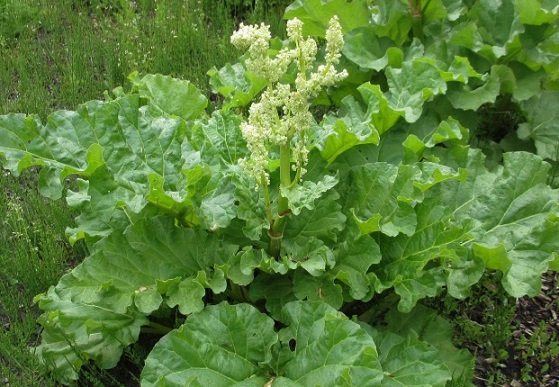 New Hope for Lung Cancer Treatment with Isorhapontigenin
This
Medical News report highlights a groundbreaking study that explored the effects of isorhapontigenin, a natural phytochemical compound derived from the medicinal plant Rheum officinale. Researchers used advanced techniques, including network pharmacology, molecular docking, and laboratory experiments, to understand how this compound works against lung cancer cells.
Key Findings from the Study
The researchers first used computer-based analysis to predict how isorhapontigenin interacts with lung cancer cells. They identified 104 potential drug targets and compared them with 6,688 genes linked to NSCLC. This led to the discovery of 79 promising therapeutic targets. Further analysis narrowed this down to 55 key targets, many of which are involved in cancer cell growth and survival.
One of the most important findings was that isorhapontigenin appears to act on specific biological pathways that regulate cell growth. The study showed that the compound can bind to and potentially inhibit proteins such as CCND1, CDK2, PIK3CA, and RELA. These proteins are critical for the progression of lung cancer as they promote tumor growth and help cancer cells evade treatment.
Experimental Proof of Isorhapontigenin’s Effectiveness
To confirm these findings, researchers conducted laboratory experiments using NSCLC cells. The results were highly encouraging:
-Isorhapontigenin significantly reduced the growth of lung cancer cells in a dose-dependent manner. The higher the dose, the stronger the effect.
-The compound disrupted the cell cycle, preventing cancer cells from multiplying.
-Genetic analysis showed that isorhapontigenin reduced the expression of key cancer-related genes, specifically CCND1, CDK2, PIK3CA, and RELA. Survival analysis using patient data suggested that lower levels of these genes are associated with better overall survival in lung cancer patients.
How Isorhapontigenin Works Against Lung Cancer
The study suggests that isorhapontigenin works by targeting a crucial signaling pathway known as the PI3K/NF-κB pathway. This pathway plays a key role in cell survival, inflammation, and tumor progression. By blocking key proteins in this pathway, isorhapontigenin may help suppress tumor growth and make cancer cells more vulnerable to treatment.
r />
Additionally, analysis of lung cancer tissues revealed that the targeted proteins are highly active in cancerous cells compared to normal lung tissue. This further supports the idea that isorhapontigenin specifically attacks cancer cells while potentially sparing healthy ones.
The Future of Isorhapontigenin as a Cancer Treatment
These findings suggest that isorhapontigenin could be a valuable addition to the current treatment options for NSCLC. However, more research is needed before it can be used in clinical settings. Future studies should focus on testing this compound in animal models and eventually in human clinical trials to evaluate its safety and effectiveness.
Despite these challenges, the discovery of isorhapontigenin as a potential anti-cancer agent is an exciting step forward. Natural compounds have long been a source of powerful medicines, and this research highlights the untapped potential of traditional herbal medicine in modern cancer therapy.
The study findings were published on a preprint server and are currently being peer reviewed.
https://www.researchsquare.com/article/rs-5882443/v1
For the latest on Lung Cancer, keep on logging to Thailand Medical News.
Read Also:
https://www.thailandmedical.news/news/phytochemicals-from-pomegranate-peel-can-help-fight-lung-cancer-and-covid-19
https://www.thailandmedical.news/news/new-insights-into-how-covid-19-affects-lung-cancer-patients-in-the-short-and-long-term
https://www.thailandmedical.news/news/covid-19-increases-the-risk-of-lung-cancer
https://www.thailandmedical.news/news/covid-19-news-sars-cov-2-triggers-epidermal-growth-factor-receptor-signaling-pathway,-leading-to-lung-fibrosis-and-lung-cancer-erlotinib-helps




 Share
Share
 Tweet
Tweet
 Share
Share

































