New Study Finds 35 Percent Higher Heart Failure Risk Up to 25 Months After COVID-19 Exposure
Nikhil Prasad Fact checked by:Thailand Medical News Team Apr 02, 2026 5 months, 18 hours, 2 minutes ago
Medical News: Post-COVID Heart Risk Shock Emerges in New Study
A major new analysis has revealed a troubling long-term consequence of COVID-19 recovery - an increased risk of developing heart failure months after the initial infection has passed. The findings, drawn from a large-scale review of global data, suggest that surviving COVID-19 does not necessarily mean escaping its lasting effects on the heart.
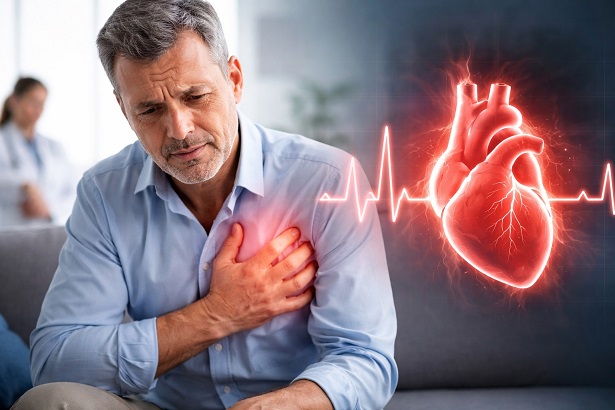 COVID-19 survivors face a surprising long-term risk of heart failure even after mild illness
A Hidden Threat After Recovery
COVID-19 survivors face a surprising long-term risk of heart failure even after mild illness
A Hidden Threat After Recovery
Researchers conducted a comprehensive systematic review and meta-analysis involving more than 400,000 COVID-19 survivors across multiple countries. The study found that individuals who had recovered from the virus faced a 35 percent higher risk of developing new-onset heart failure compared to those who were never infected.
This risk persisted for up to 25 months after recovery, highlighting that the virus may leave behind silent but serious damage. Even individuals who experienced mild symptoms during their initial infection were not completely spared, as subtle heart dysfunction was detected in some cases.
Who Is Most at Risk?
The study identified certain groups as particularly vulnerable. Immunocompromised individuals, especially kidney transplant recipients, showed the highest risk - more than double compared to the general population. Younger adults under the age of 65 also demonstrated a surprisingly elevated risk, challenging the assumption that only older individuals face long-term complications.
Interestingly, the data also showed that while COVID-19 increases heart failure risk, other severe respiratory infections like influenza and pneumonia may carry similar or even greater risks. This suggests that the heart may be broadly vulnerable after major lung infections, not just COVID-19.
What Is Happening Inside the Heart?
Scientists believe the damage is caused by a combination of factors. The virus can directly invade heart cells, disrupt normal blood vessel function, and trigger prolonged inflammation. Over time, this can lead to scarring of heart tissue and reduced ability of the heart to pump effectively.
Another key finding was the presence of subclinical heart damage, meaning early-stage dysfunction that may not produce noticeable symptoms. Advanced imaging studies revealed reduced heart muscle strain, which is often a warning sign of future heart failure.
Important Insights from the Study
This
Medical News report highlights a crucial shift in how doctors and health systems must approach COVID-19 recovery. Rather than viewing recovery as the end of illness, experts now emphasize the need for ongoing cardiovascular monitoring, especially during the first year after infection.
Routine screening using biomarkers such as NT-proBNP and cardiac troponin may help detect early heart stress before symptoms develop
. This approach could allow for earlier treatment and better long-term outcomes.
Study Strengths and Global Collaboration
The research was conducted by scientists from multiple institutions, including the Doctoral School and Faculty of Medicine at Victor Babes University of Medicine and Pharmacy in Timisoara, Romania; the Clinical Hospital of Infectious Diseases and Pulmonology “Victor Babes” in Timisoara, Romania; the Center for Research and Innovation in Personalized Medicine of Respiratory Diseases in Timisoara, Romania; the Department of Diabetes at “Pius Brinzeu” Emergency Hospital in Timisoara, Romania; and the Second Department of Internal Medicine at Victor Babes University of Medicine and Pharmacy.
Their analysis included data from major international registries such as the U.S. Veterans Affairs database, the National COVID Cohort Collaborative, and population studies from Singapore, Norway, Germany, Spain, and Canada.
Conclusions
The findings clearly show that COVID-19 is not just a short-term respiratory illness but a condition with potentially serious long-term cardiovascular consequences. The increased risk of heart failure - even among younger and previously healthy individuals - signals the need for a more proactive and personalized approach to post-COVID care. While not everyone will develop complications, the evidence strongly supports ongoing monitoring, early screening, and targeted interventions for high-risk groups to prevent a future wave of chronic heart disease linked to the pandemic.
The study findings were published in the peer reviewed Journal of Clinical Medicine.
https://www.mdpi.com/2077-0383/15/7/2665
For the latest
COVID-19 news, keep on logging to Thailand
Medical News.
Read Also:
https://www.thailandmedical.news/articles/coronavirus
https://www.thailandmedical.news/articles/cardiology




 Share
Share
 Tweet
Tweet
 Share
Share

































