Nikhil Prasad Fact checked by:Thailand Medical News Team Jun 11, 2026 1 month, 3 weeks, 1 day, 16 hours, 20 minutes ago
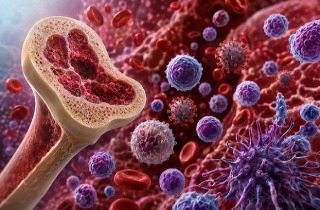
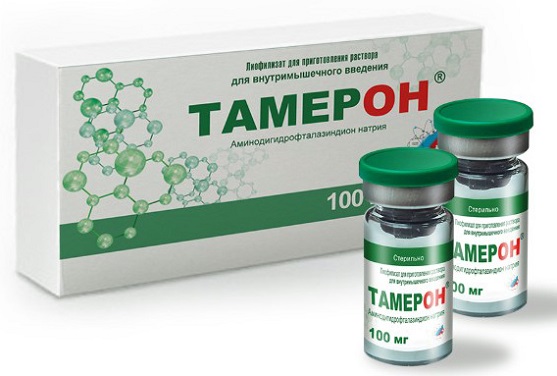
Medical News: Radiotherapy is one of the most important treatments for cancer, but it comes with a major challenge. While radiation is designed to destroy cancer cells, it can also damage healthy tissues nearby, leading to side effects that can affect a patient’s quality of life. Now, scientists have discovered that a drug called Tameron®(Also known as Tamepoh) may help solve this problem by protecting healthy cells while making cancer cells more vulnerable to radiation.
 Researchers discover that Tameron® protects healthy cells from radiation damage while making cancer cells more vulnerable to radiotherapy
Researchers from the Institute of Theoretical and Experimental Biophysics of the Russian Academy of Sciences in Pushchino, ANO Engineering Physics Institute in Serpukhov, LLC Nanoporus in Serpukhov, and the Scientific and Educational Center of the Federal State University of Education in Moscow investigated how Tameron® affects normal and cancerous cells exposed to radiation.
A Drug with Two Very Different Effects
The research focused on sodium aminodihydrophthalazinedione, the active ingredient in Tameron®, a drug already used as an immunomodulator in Russia. Scientists tested the compound on human mesenchymal stem cells, which represented healthy tissue, and on human osteosarcoma cells, an aggressive form of bone cancer.
What they found was remarkable. The drug appeared to act in opposite ways depending on the type of cell.
In healthy stem cells, Tameron® reduced radiation damage, lowered harmful oxidative stress, improved DNA repair, and increased cell survival. In cancer cells, however, it increased cell death and slowed the repair of radiation-induced DNA damage.
This selective action is exactly what cancer researchers have been seeking for decades.
Powerful Antioxidant Activity Identified
One of the first discoveries was that Tameron® strongly reduced levels of hydrogen peroxide generated by radiation exposure. Hydrogen peroxide is one of the key reactive oxygen species produced after radiation treatment and is known to damage cellular structures including DNA, proteins, and membranes.
The researchers found that higher concentrations of Tameron® significantly lowered hydrogen peroxide formation after X-ray exposure. This demonstrated that the drug acts as a potent antioxidant capable of neutralizing some of the most harmful byproducts of radiation.
Further experiments showed that healthy stem cells treated with Tameron® had lower levels of reactive oxygen species after radiation exposure. The drug also helped maintain important antioxidant defenses, including glutathione, one of the body's most critical natural protective molecules.
Healthy Cells Recover Faster
Radiation therapy works largely by causing breaks in DNA strands. If these breaks are not repaired, cells die.
The study revealed that healthy stem cells pretreated with Tameron® experienced fewer DNA double-strand breaks after radiation exposure. Even more importantly
, these cells repaired damage more efficiently than untreated cells.
Scientists also observed fewer signs of genetic injury and cell death in the protected stem cells. The treated healthy cells maintained greater reproductive capacity and survived radiation exposure better than cells that did not receive the drug.
This
Medical News report highlights that protecting normal tissues during radiotherapy remains one of the biggest unmet needs in modern oncology, making these findings particularly significant.
Cancer Cells Become More Vulnerable
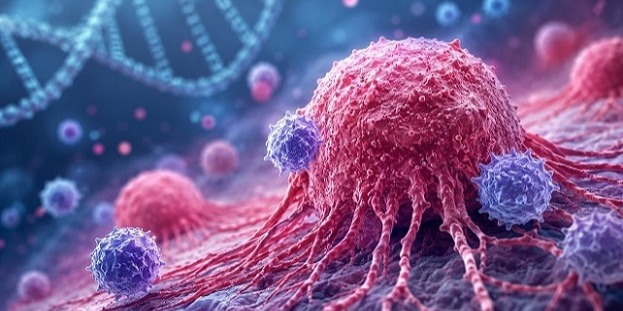
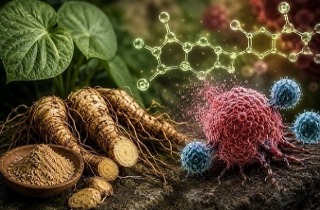
The results in osteosarcoma cells were very different. Rather than protecting the cancer cells, Tameron® actually increased their susceptibility to radiation. Treated cancer cells showed higher rates of cell death, greater DNA damage persistence, and reduced ability to form new colonies after irradiation.
At higher concentrations, the drug appeared to function as a radiosensitizer, meaning it enhanced the cancer-killing effects of radiation instead of blocking them.
Researchers believe this difference may be linked to the unique redox environment inside cancer cells. Tumor cells often operate under chronic oxidative stress and rely heavily on survival pathways that differ from those of normal cells.
Gene Analysis Reveals Why
Using advanced nanopore transcriptomic sequencing, the team examined how genes responded to treatment.
The analysis revealed significant changes in genes involved in DNA repair, antioxidant defenses, cell survival, apoptosis, and tumor progression. Several genes associated with cancer growth, invasion, and resistance were suppressed after Tameron® treatment. At the same time, genes linked to programmed cell death became more active.
These molecular changes help explain why the drug protected normal cells while pushing cancer cells toward destruction.
Conclusion
The findings suggest that Tameron® could become a highly valuable radiomodulatory agent for cancer treatment. Unlike traditional radioprotective drugs that may shield both healthy and cancerous tissues, Tameron® demonstrated the rare ability to selectively protect normal cells while simultaneously increasing the sensitivity of tumor cells to radiation. By reducing oxidative stress, accelerating DNA repair in healthy tissues, and promoting cancer cell death, the drug could potentially improve the effectiveness and safety of radiotherapy. Although further animal studies and clinical trials are still needed, the results provide strong evidence that Tameron® may represent a new generation of selective radioprotective medicines capable of enhancing cancer treatment outcomes while reducing harmful side effects for patients.
The study findings were published in the peer reviewed International Journal of Molecular Sciences.
https://www.mdpi.com/1422-0067/27/12/5272
For the latest cancer research, keep on logging to Thailand
Medical News.
Read Also:
https://www.thailandmedical.news/articles/cancer
https://tameron.ru/en/home/




 Share
Share
 Tweet
Tweet
 Share
Share