Nikhil Prasad Fact checked by:Thailand Medical News Team Nov 04, 2024 1 year, 10 months, 4 weeks, 1 day, 18 hours, 23 minutes ago
Herbs And Phytochemicals: Researchers Discover Cancer-Inhibiting Peptides in Soybean and Cowpea Proteins
In a groundbreaking study, scientists from the Federal University of Bahia and São Paulo State University (UNESP) in Brazil, along with colleagues from Università degli Studi di Milano in Italy, have unveiled promising evidence that certain peptides derived from soybean and cowpea proteins may inhibit the growth of cancer cells. These findings hold the potential to lead to new, more natural cancer treatment approaches that harness bioactive compounds and phytochemicals found in common legumes.
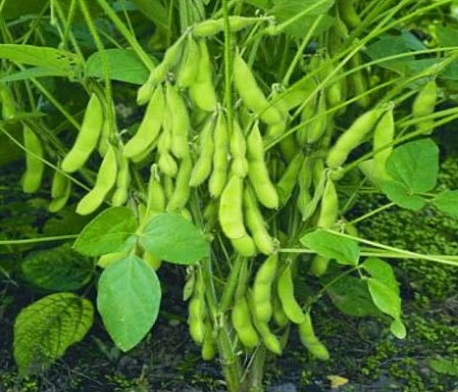 Breakthrough Study Reveals Legume-Derived Peptides as Potential Cancer Fighters
Study Highlights
Breakthrough Study Reveals Legume-Derived Peptides as Potential Cancer Fighters
Study Highlights
The research focused on identifying specific anticancer peptides from two legume proteins: β-conglycinin from soybean and β-vignin from cowpea. Researchers performed an enzymatic process to break down these proteins, generating peptides smaller than 3 kDa, which were then tested for their ability to inhibit the viability of cancer cells.
This
Herbs And Phytochemicals news report examines the study’s key findings and provides insights into how these legume-based peptides can potentially inhibit the progression of cancer cells. The research team highlighted the potential of the VIPAAY peptide, which mimics the effects of Venetoclax, a well-known cancer drug, in targeting the Bcl-2 protein.
In-Depth Look at Study Methods and Results
Extraction and Analysis of Peptides
Using advanced techniques, the researchers isolated and hydrolyzed β-conglycinin and β-vignin proteins from soybean and cowpea beans, respectively. The hydrolysis process, aided by pepsin and pancreatin enzymes, produced peptides smaller than 3 kDa, which were then tested against both cancerous and non-cancerous cells.
The study employed in vitro models with breast (MDA-MB-231) and prostate (DU-145) cancer cell lines. The goal was to determine if these small peptides could effectively reduce the viability of cancer cells without harming healthy cells. Results showed a significant decrease in cancer cell viability, with β-conglycinin hydrolysates demonstrating a dose-dependent effect. In particular, the VIPAAY peptide from soybean β-conglycinin exhibited unique binding properties to Bcl-2, making it a standout candidate for further studies.
Bioinformatics Analysis for Enhanced Cancer Treatment
Researchers used bioinformatics tools to predict and select anticancer peptides, prioritizing those likely to interact with the BH3 domain of Bcl-2, an essential protein in regulating cell apoptosis. The Bcl-2 protein has been challenging to target in cancer treatment due to its unique structure and lack of easily accessible binding sites. However, peptides that can bind to this protein effectively may trigger cancer cell death by interfering with Bcl-2's interaction with other pro-apopto
tic proteins.
From a pool of 48 predicted anticancer peptides, six were identified as potential Bcl-2 inhibitors. Of these, the VIPAAY peptide displayed the most promise, exhibiting binding behavior similar to Venetoclax, a drug specifically designed to inhibit Bcl-2. The peptide showed strong interactions with specific amino acids within Bcl-2’s BH3 domain, offering hope that it may function similarly to Venetoclax in disrupting cancer cell growth.
Structure and Stability of Promising Peptides
The VIPAAY peptide, along with a few others, displayed a helical secondary structure. This structural feature is considered crucial because helical peptides are generally more stable and can more effectively penetrate cancer cell membranes, potentially increasing their efficacy in therapeutic applications.
Additional experiments are required to validate these findings, but the helical structure of VIPAAY supports its candidacy as a therapeutic agent. In combination with its unique binding affinity, the peptide has the potential to serve as a natural Bcl-2 inhibitor, mimicking the cancer-fighting mechanism of synthetic drugs with fewer side effects.
Conclusions and Implications for Future Research
This research opens new doors for natural, food-derived anticancer therapies, offering the possibility of safer, less toxic treatments for cancer patients. Unlike traditional chemotherapies, which often carry harmful side effects, peptide-based treatments derived from common foods could provide a more targeted, less invasive approach. The identification of peptides such as VIPAAY, which specifically targets Bcl-2, is a significant milestone, as it may lead to treatments that promote cancer cell death without affecting healthy cells.
Furthermore, the use of bioinformatics in screening and selecting these peptides is a promising development in cancer research. Bioinformatics tools enable researchers to simulate and predict the behavior of peptides before conducting laboratory tests, saving both time and resources.
The researchers also emphasize the importance of further studies to confirm the effectiveness of these peptides. Clinical trials and more extensive in vitro tests are necessary to fully understand how these peptides interact within the complex environment of human cells.
As the world looks toward more sustainable and natural approaches to healthcare, this study is a reminder of the potential hidden within everyday foods. Legume-based anticancer peptides may one day become a part of mainstream cancer therapy, bringing us closer to a future where food-derived treatments can complement, or even replace, synthetic drugs.
The study findings were published in the peer-reviewed journal: Foods.
https://www.mdpi.com/2304-8158/13/21/3508
For the latest on
Herbs and Phytochemicals, keep on logging to Thailand Medical News.
Read Also:
https://www.thailandmedical.news/news/herbs-and-phytochemicals-anticancer-potential-and-molecular-targets-of-the-phytochemical-pristimerin-in-human-cancers
https://www.thailandmedical.news/news/herbs-and-phytochemicals-extracts-from-rhizomes-of-atractylodes-macrocephala-koidz-baizu-can-help-in-gastric-cancer




 Share
Share
 Tweet
Tweet
 Share
Share

































