Nikhil Prasad Fact checked by:Thailand Medical News Team May 17, 2026 3 months, 2 weeks, 2 days, 9 hours, 21 minutes ago
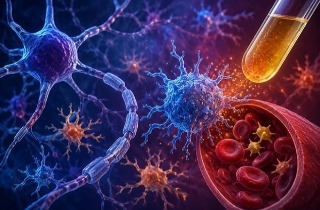
Medical News: A little-known gut bacterium called Akkermansia muciniphila is rapidly becoming one of the most talked-about microbes in Alzheimer’s disease research. Scientists are now uncovering growing evidence that this beneficial bacterium may help protect the brain from inflammation, memory decline, and even the buildup of toxic proteins associated with dementia.
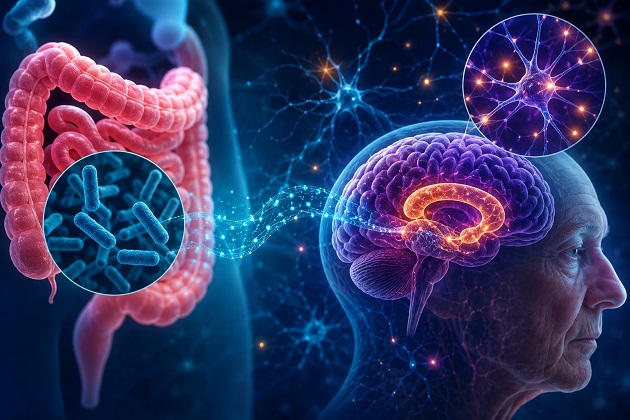 Scientists discover that a beneficial gut bacterium may help reduce brain inflammation and memory decline linked to
Alzheimer’s disease
Researchers from the Brain Research Center and State Key Laboratory of Trauma, Burns, and Combined Injury at the Army Medical University (Third Military Medical University) in Chongqing, China, along with experts from Jinfeng Laboratory in Chongqing, China, conducted an extensive review examining how this gut bacterium could influence Alzheimer’s disease.
A Surprising Connection Between the Gut and Brain
Alzheimer’s disease currently affects more than 55 million people worldwide, and the numbers are expected to rise sharply over the coming decades. Existing medications only offer limited symptom relief and do little to stop the disease itself.
Scientists have increasingly turned their attention to the “gut-brain axis,” a communication network linking intestinal microbes to brain health. The new review highlights how Akkermansia muciniphila may play an important role in this connection.
This bacterium naturally lives in the mucus lining of the intestines and helps maintain the integrity of the gut barrier. Researchers found that when the gut barrier becomes damaged, harmful inflammatory substances can leak into the bloodstream and eventually affect the brain, contributing to Alzheimer’s progression.
How the Bacterium May Protect the Brain
The review explains that Akkermansia muciniphila produces beneficial compounds known as short-chain fatty acids, including butyrate, acetate, and propionate. These substances appear to reduce inflammation, improve brain energy metabolism, and strengthen both the intestinal barrier and the blood-brain barrier.
Animal studies reviewed by the scientists showed that increasing levels of the bacterium reduced amyloid-beta plaque accumulation in the brain, lowered harmful inflammation, and improved memory and learning performance.
Researchers also identified a special bacterial protein called Amuc_1100 that appears to calm inflammatory immune responses. Another important discovery involved tiny particles known as extracellular vesicles, which may help carry protective signals from the gut to the brain.
According to this
Medical News report, the bacterium may also influence important brain chemicals including serotonin and brain-derived neurotrophic factor (BDNF), both of which are linked to mood, memory, and nerve cell survival.
Strong Results Seen in Animal Studies
Several Alz
heimer’s mouse studies reviewed in the paper produced encouraging findings. In some experiments, treatment with Akkermansia muciniphila improved glucose metabolism, restored gut integrity, reduced toxic amyloid proteins, and enhanced cognitive performance.
Other studies showed reduced anxiety-like behavior, lower inflammation in the hippocampus, and decreases in abnormal tau proteins that are strongly linked to dementia progression.
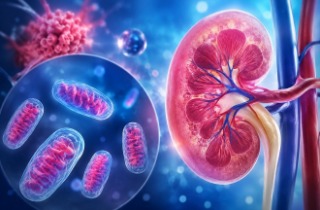
One particularly interesting finding involved mitochondrial protection. Mitochondria are the energy-producing structures inside cells, and they often malfunction in Alzheimer’s disease. The bacterium’s metabolites appeared to reduce oxidative stress and improve mitochondrial health, helping brain cells survive longer.
Human Research Still Shows Mixed Results
Despite the promising animal data, scientists caution that human evidence remains inconsistent. Some studies found higher levels of Akkermansia muciniphila in Alzheimer’s patients, while others reported lower levels.
Researchers believe these conflicting findings may be due to differences in diet, genetics, disease stage, obesity, diabetes, and even geographic location. The review also notes that different strains of the bacterium may behave differently inside the human body.
Importantly, early clinical trials in overweight adults showed that both live and pasteurized forms of the bacterium were safe and well tolerated. Pasteurized forms surprisingly retained many beneficial effects while being easier to store and use.
Future Alzheimer’s Treatments Could Include Engineered Bacteria
Scientists are now exploring ways to turn Akkermansia muciniphila into a next-generation therapy. Possible future treatments may include probiotic capsules, postbiotic formulations, genetically engineered strains, or combination therapies used alongside existing Alzheimer’s drugs and special diets.
However, researchers stress that major challenges still remain. Large-scale human trials are urgently needed, along with better understanding of which bacterial strains work best and which patients may benefit the most.
Conclusions
The growing body of evidence surrounding Akkermansia muciniphila suggests that the gut microbiome may play a far more important role in Alzheimer’s disease than previously believed. Although the findings from laboratory and animal research are highly encouraging, scientists emphasize that it is still too early to consider the bacterium a proven treatment for dementia. Much larger and carefully controlled human studies are needed to determine whether manipulating gut bacteria can genuinely slow memory decline or prevent disease progression. Still, the research opens an exciting new frontier in Alzheimer’s science and offers fresh hope for future therapies targeting the gut-brain connection.
The study findings were published in the peer reviewed journal: Biomolecules.
https://www.mdpi.com/2218-273X/16/5/726
For the latest on Alzheimer, keep on logging to Thailand
Medical News.
Read Also:
https://www.thailandmedical.news/articles/alzheimer,-dementia-




 Share
Share
 Tweet
Tweet
 Share
Share